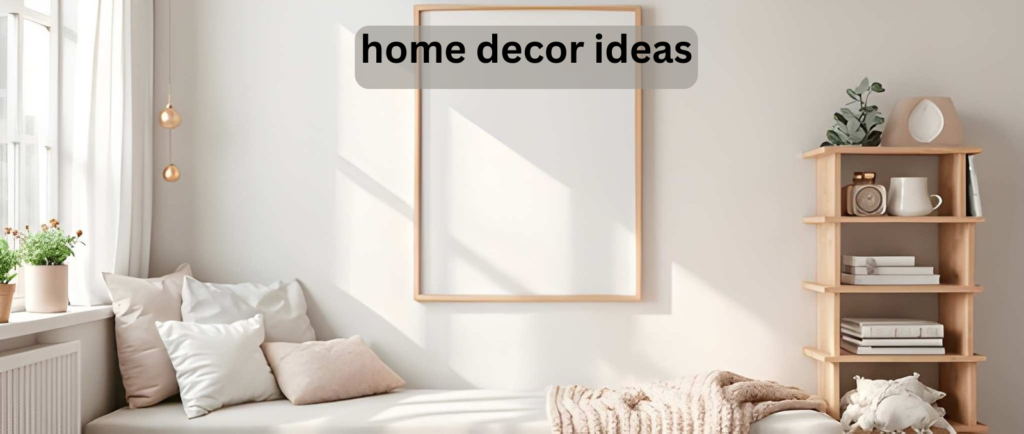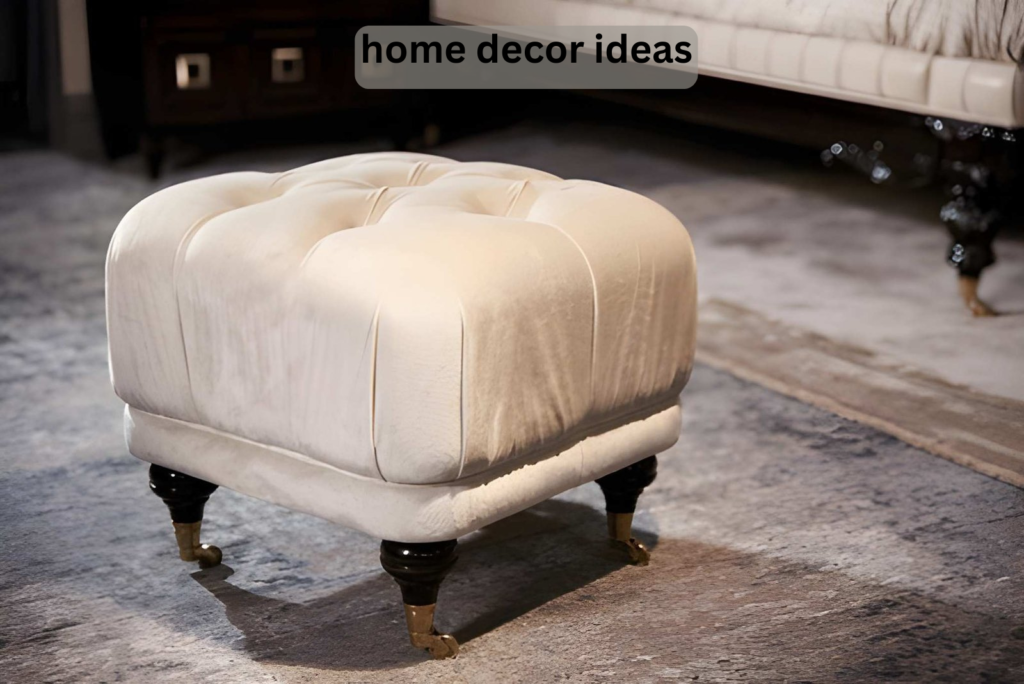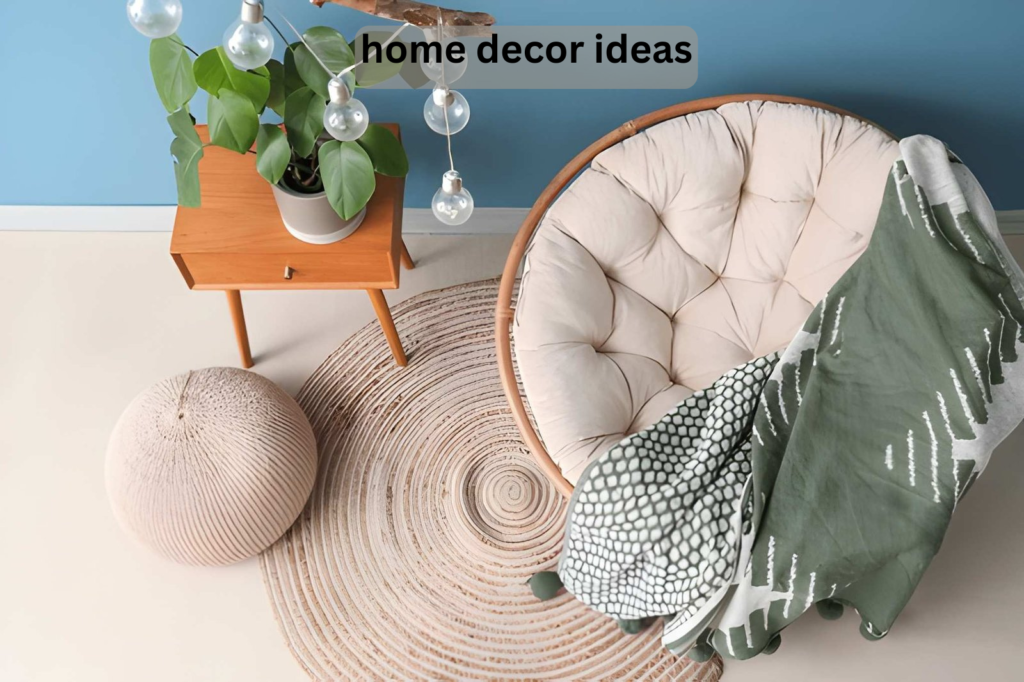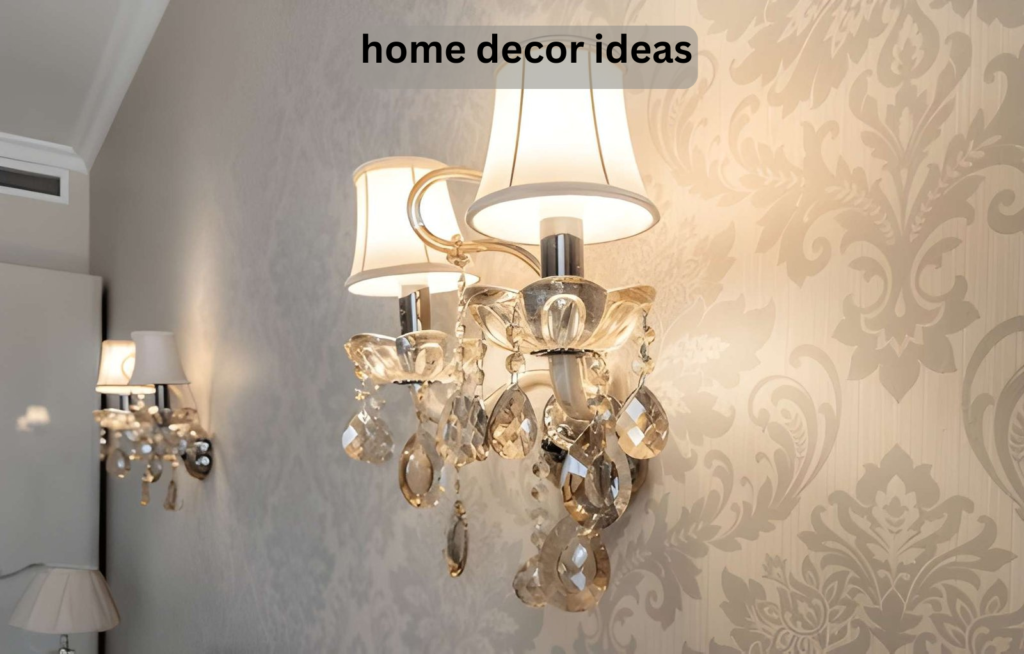
Creating a Dedicated Pet Corner: Design Ideas for Dogs and Cats

Every home has a story to tell — and if you share your home with a furry friend, their story should be a part of it. Creating a pet corner in your home is one of the best upgrades for pet owners. It provides your dog or cat with a spot that is truly theirs in the house while keeping the rest of the house looking great and styled.

You don’t have to sprout out a pet store in your living room to create such a spot. In fact, it can be an excellent extension of your decor in your home.

Why Your Pet Deserves a Dedicated Space

Pets are creatures of habit. Whether it’s dogs or cats, all creatures have a spot that belongs to them. Providing your pet with a designated corner will reduce anxiety, minimize clutter, and allow you to have more control over where the pet hair and mess accumulates in the house.

Additionally, a well-thought-out pet corner can make your home feature a pet corner that is appealing and appropriate for your home – instead of an eyesore that you must apologize for in your own home.
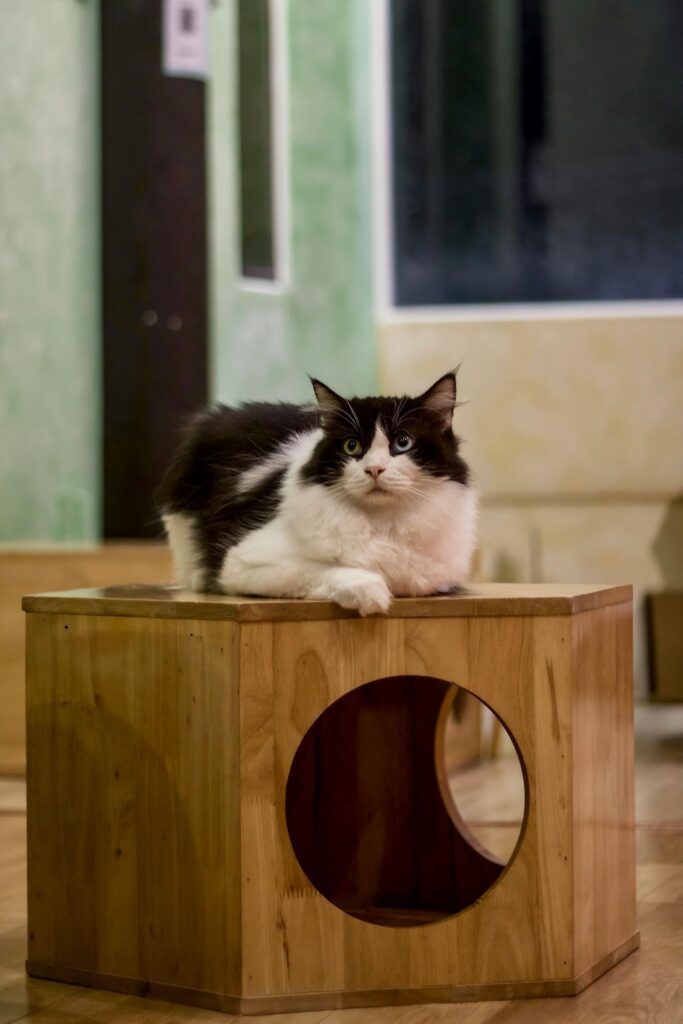
pet, cat

Step 1: Choose the Right Location

The best pet corners are tucked into spaces that feel natural for your home’s layout:

  • Under the stairs — a favourite for dogs, this nook provides shelter and warmth without taking up primary floor space.
  • A living room corner — easy for monitoring pets while still socialising, and ideal for social breeds who want to be near the action.
  • A bedroom alcove — great for cats who prefer a quieter spot with a view.
  • The laundry or utility room — practical for litter trays, feeding stations, and grooming supplies.

Consider your pet’s personality. Some breeds will want to be with you, while others may want some semblance of privacy. Especially with cats, they usually prefer to be in elevated spots within the home.

Step 2: Invest in a Bed or Nest That Matches Your Decor

The days of the bright-orange foam dog bed are over. Instead, in 2026, dogs will enjoy beds that match the decor of the homes in which they live.

Look for:

  • Neutral tones (warm whites, oatmeal, slate, terracotta) that complement your existing palette
  • Natural materials like linen, cotton canvas, and wool
  • Structured shapes — bolster beds, cave beds, and elevated loungers have a far more elevated aesthetic than traditional flat mats

For cats, consider a sleeping shelf you can mount on a wall or a pod that doubles as a sculptural element on a bookshelf.

Step 3: Don’t Forget Accessibility — Especially for Smaller Breeds

Design isn’t just about looks. It’s about function, and for pets that’s especially true when it comes to accessibility.

Small dog breeds, older dogs, and dogs with joint conditions often struggle to jump onto sofas, beds, or elevated pet furniture. This is particularly important if you’re considering a breed like a sausage dog (Dachshund), whoselong spines make them especially vulnerable to back injuries from repeated jumping.

A pet ramp is one of the most practical additions to any pet corner. Rather than allowing your dog to leap on and off furniture throughout the day, a ramp provides a gentle, safe incline they can use independently. Modern pet ramps come in:

  • Wooden ramps with carpet runners — warm, stylish, and non-slip
  • Upholstered ramps — fabric-covered designs that coordinate with your sofa or bed
  • Foldable ramps — tuck them away when guests arrive

Step 4: Create a Feeding Station That Looks the Part

Another quick way to elevate the look of the pet corner is to give the pet’s food and water bowls a proper home. Many ceramic and stainless steel bowls in earth tones are available for relatively low costs and will look infinitely better than plastic bowls. Place them alongside the pet products to elevate the look of the entire corner.

  • A feeding mat in natural jute, rubber, or linen that anchors the station and protects your floor
  • A wooden or bamboo tray to corral the bowls and treat containers
  • A wicker or rattan storage basket nearby for food bags and supplies

Step 5: Organise the Toys Without the Chaos

Pet toys have a habit of taking over the entire house. A dedicated basket or bin in the pet corner of the room solves this issue instantly. Choose a seagrass basket, woven wicker container, or linen tote to coordinate with the room. Make it low enough for the pet to access and part of the design of the pet corner.

Cats may prefer vertical storage solutions. Choose a cat tree or shelf system to mount on the wall. There are numerous designs of cat trees made out of timber or featuring fabrics that coordinate with living room decor and look beautiful in these spaces.

Step 6: Add Personal Touches

A pet corner becomes truly special when it reflects the personality of your pet and your home:

  • A framed photo of your pet on the wall above their corner
  • A personalised name sign in a font that matches your home’s aesthetic (wooden laser-cut letters are a lovely touch)
  • A small plant nearbypet-safe varieties like spider plants, Boston ferns, or calatheas add life and softness to the corner
  • Soft lighting — a small lamp or LED strip nearby creates a warm, cosy glow that makes the space feel intentional rather than functional

Putting It All Together

A pet corner doesn’t have to be large or costly. It just has to be thoughtful in how it is designed. Choose the perfect location for your pet, add a beautiful bed, a ramp to include accessibility if necessary, and then the feeding area, toys and decor over time.

It will create a home that is complete – one that every member of the family, including the four-legged ones, has a space of their own.
Simple Plumbing Changes That Transform Small Bathrooms

Small bathrooms often feel cramped, cluttered, and difficult to organize. Yet, the real issue is not always the size—it is how the space is used. With the right plumbing adjustments, even the most compact bathroom can feel more open, efficient, and visually appealing. Thoughtful small bathroom plumbing upgrades can unlock hidden potential without requiring a full renovation.

Rethinking Layout for Better Flow

One of the most effective ways to transform a small bathroom is by improving the layout. Traditional plumbing setups often prioritize convenience during installation rather than long-term usability. Repositioning fixtures such as the sink, toilet, or shower can create a smoother flow and reduce visual congestion.

Wall-mounted fixtures are particularly useful. A floating sink or toilet frees up floor space, making the room appear larger and easier to clean. Even minor adjustments, such as shifting a basin slightly or replacing a bulky unit with a slimmer design, can have a noticeable impact.

Compact Fixtures That Maximize Space

Choosing the right fixtures is crucial to making small bathrooms functional. Oversized fittings can overwhelm the space, while compact alternatives provide efficiency without compromising comfort.

Modern plumbing solutions offer a wide range of space-saving options. Slimline toilets, corner sinks, and compact vanities are designed specifically for smaller areas. These fixtures are not only practical but also contribute to a cleaner, more streamlined aesthetic.

Upgrading to a smaller yet well-designed fixture is one of the most practical small bathroom plumbing upgrades, especially when space is at a premium.

Smart Storage Through Plumbing Integration

Storage is a common challenge in small bathrooms, but plumbing can be part of the solution. Built-in shelving around pipes or recessed storage within walls allows for better organization without adding bulk.

Vanities with integrated plumbing conceal pipework while offering hidden storage for essentials. Similarly, mirrored cabinets with internal shelving provide both functionality and visual depth.

By aligning storage with plumbing design, it becomes possible to maintain a tidy and uncluttered environment without sacrificing accessibility.

Improving Water Efficiency and Performance

Modern plumbing upgrades are not just about aesthetics—they also improve performance. Replacing outdated pipes, taps, and fittings can enhance water pressure and reduce wastage.

Aerated taps, dual-flush toilets, and efficient pipe systems contribute to a more sustainable bathroom. These improvements are particularly valuable in small spaces, where every element must perform efficiently.

Investing in reliable plumbing ensures long-term durability while reducing maintenance issues. It also adds value to the property, making it a practical and forward-thinking choice.

Lighting and Plumbing Coordination

Although lighting is often considered separately, it works closely with plumbing design in small bathrooms. For example, repositioning a sink or vanity can allow for better lighting placement, improving both functionality and ambience.

Well-lit areas around mirrors and fixtures enhance usability and create the illusion of a larger space. Reflective surfaces, combined with efficient plumbing layouts, contribute to a brighter and more open environment.

Why Small Changes Make a Big Difference

Many homeowners assume that transforming a small bathroom requires extensive renovation. In reality, strategic plumbing changes often deliver the most noticeable results.

Simple updates such as replacing fixtures, improving layout, or upgrading water systems can significantly enhance both functionality and appearance. These adjustments are cost-effective and less disruptive compared to full-scale remodeling.

Well-planned small bathroom plumbing upgrades demonstrate how practical decisions can lead to meaningful improvements without overwhelming the space.

Wrapping Up

Small bathrooms do not have to feel limiting. With the right plumbing choices, they can become efficient, stylish, and surprisingly spacious. By focusing on layout, compact fixtures, water efficiency, and integrated design, it is possible to transform even the smallest bathroom into a comfortable and functional space.

The key lies in thoughtful planning and selecting upgrades that align with both practical needs and aesthetic goals. When done correctly, even the simplest plumbing changes can redefine how a bathroom looks and feels, proving that size is never the only factor that matters.

10 Home Decor Ideas for a Cozy and Elegant Home

Home is the one place where people want comfort more than anything else.In addition to being aesthetically pleasing, a well-designed workplace influences daily routines, mood, and concentration.Many people in the United States now prefer homes that feel simple, warm, and practical instead of overly decorated spaces. That shift has made home decor ideas more important than ever.

The right design approach can change how a room feels without requiring major renovation or high spending. Small adjustments in color, lighting, furniture placement, and texture can completely shift the atmosphere of a home. Some people think design is only for professionals, but that is not true. Most improvements come from basic choices made with attention.

This post shares practical home decor ideas that focus on comfort and elegance. Each section explains simple ways to improve your space using realistic methods that work in everyday homes. Whether you live in a small apartment or a large house, these creative concepts will help you build a space that feels balanced, calm, and easy to live in.

1.Choosing a Soft and Balanced Color Base

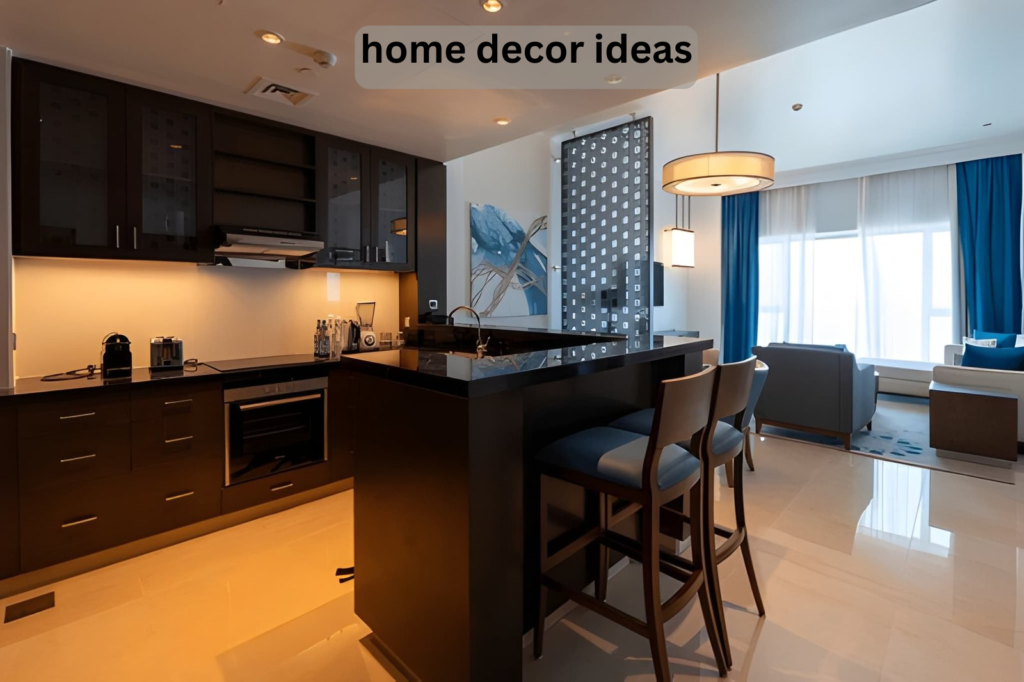
home decor ideas

Color is the first thing that shapes how a room feels. Before furniture or decoration is added, the wall color already sets the mood.

Many modern home decor ideas start with neutral colors because they give flexibility. Once the base is neutral, it becomes easier to update furniture or decorations without changing everything. 

In many homes across the United States, neutral color palettes are used to create a clean and open feelingThese colors also catch natural light really well, making a room feel brighter during the day.A room can feel serene and visually pleasant with a well-balanced background hue.A simple way to do this is to pick one main neutral tone and then add one or two extra shades to complement it.

This keeps the room consistent without making it boring. Strong design plans always begin with this kind of foundation because it supports every other design choice.

2.Lighting That Shapes Comfort and Mood

home decor ideas

Lighting is one of the most powerful parts of interior design, yet it is often ignored. Even if everything else appears fine, a room with inadequate lighting might be uncomfortable. Both look and utility are enhanced by good lighting. 

Large windows, light curtains, and open layouts help bring daylight into the room. After sunset, artificial lighting becomes important.

A layered lighting setup works best. General brightness is provided by ceiling lights. For reading or working, table lights provide concentrated light. Floor lamps fill empty corners and add warmth to the room.
Many modern styling trends today focus on warm lighting instead of harsh white lighting. Warm light creates a relaxed feeling that is ideal for evenings. It also makes furniture and textures look softer and more inviting.

Lighting placement matters as well. It frequently feels flat to have one strong light in the middle of a space. Depth and balance are produced by several light sources at various levels. This simple change can completely improve how a space feels.

3.Furniture Placement That Improves Flow

home decor ideas

Furniture placement affects how people move through a space. Even expensive furniture can feel uncomfortable if it is placed poorly. A good layout supports natural movement and keeps the room open.

One basic rule is to avoid blocking walking paths.Major furniture items, such as couches, tables, and chairs, should always have room between them.

Many room layout strategies focus on function before style. A room should first work well in daily life. Once the layout is practical, decoration becomes more effective.

It also helps to create small zones in larger rooms. A seating area, a reading corner, or a work space can be defined using furniture placement. This improves organization without needing walls or partitions.

A balanced layout makes even simple furniture look more stylish. When space is used correctly, the entire room feels more open and comfortable.

4.Indoor Plants for Natural Balance

home decor ideas

A room usually feels better with a little greenery in it. Plants add life, break up empty corners, and make the space look less flat. Even something small on a desk or shelf can make a noticeable difference.

A lot of people go with snake plants, pothos, or peace lilies because they’re hard to kill and don’t need much attention. They also do fine in different kinds of light, which makes them easy for most homes.

If you want a simple way to improve a room, adding a few plants is an easy start. They make the space feel more relaxed, more lived-in, and generally more welcoming.

Placement is important. A plant near a window gets natural light, while a corner plant can soften empty spaces.Smaller households with limited floor area might also use hanging plants.

Indoor plants connect interior spaces with nature, which makes a home feel more balanced and less artificial.

5.Textures That Add Depth and Comfort

home decor ideas

Texture is what gives a room character. Without texture, even a well colored space can feel flat and lifeless. Mixing different materials creates visual interest.

Wood adds warmth. Fabric adds softness. Metal adds structure. A wooden coffee table, some fabric cushions, and a metal lamp, for example they each stand out but don’t clash. It’s not about using tons of materials; it’s about picking a few that work well together.Repetition of textures in different parts of the room also creates consistency.

Texture helps connect all elements of a room into one complete design.

6.Wall Design That Reflects Personality

home decor ideas

Walls are often left empty, but they play a major role in interior design. They are an opportunity to show personality and style.

Artwork, framed photos, and mirrors are simple ways to improve wall design. Mirrors also help reflect light and make small spaces appear larger.

Some people prefer clean walls while others prefer more expressive designs. Both approaches can work as long as the overall balance is maintained.

A useful idea is to create one main wall focus instead of decorating every wall. This keeps the room organized while still adding character.

Many professional designers believe wall design is one of the strongest elements in modern home styling because it defines the identity of a space.

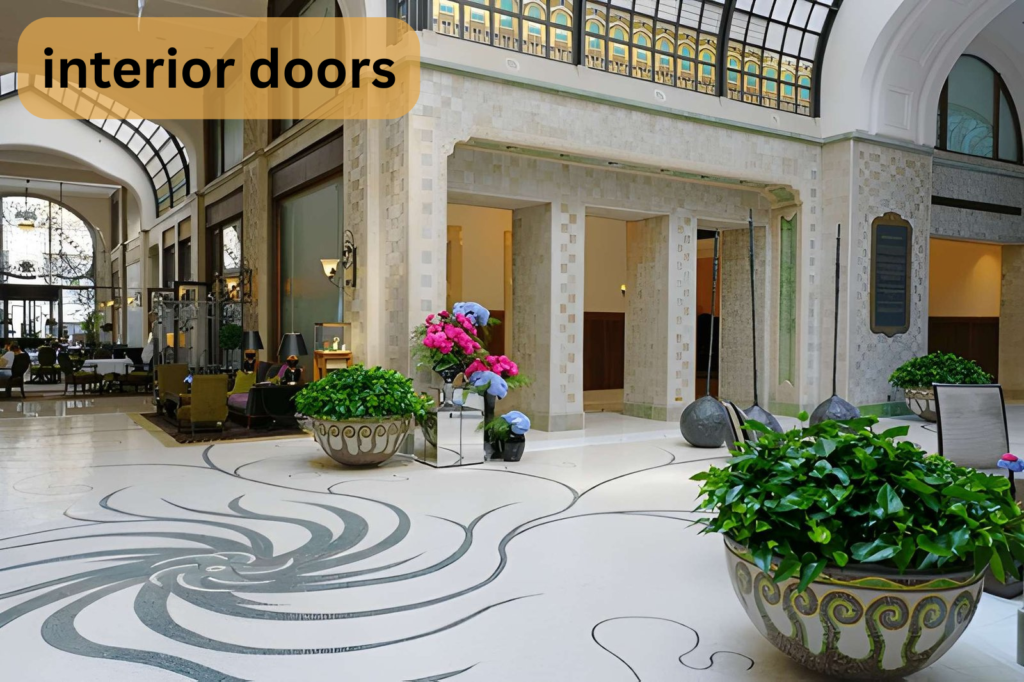
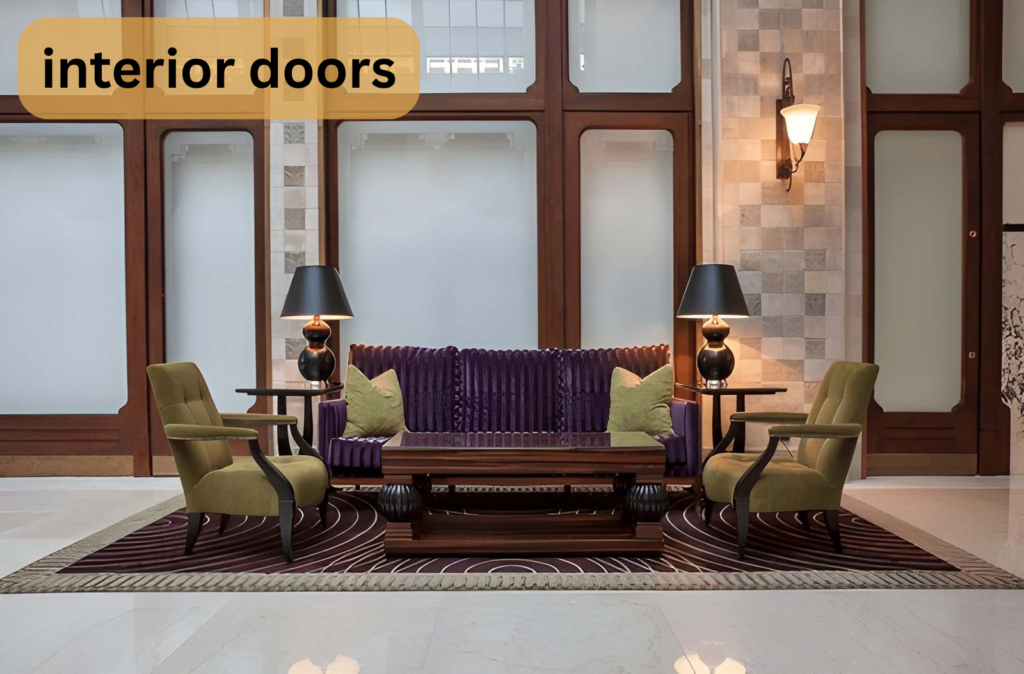
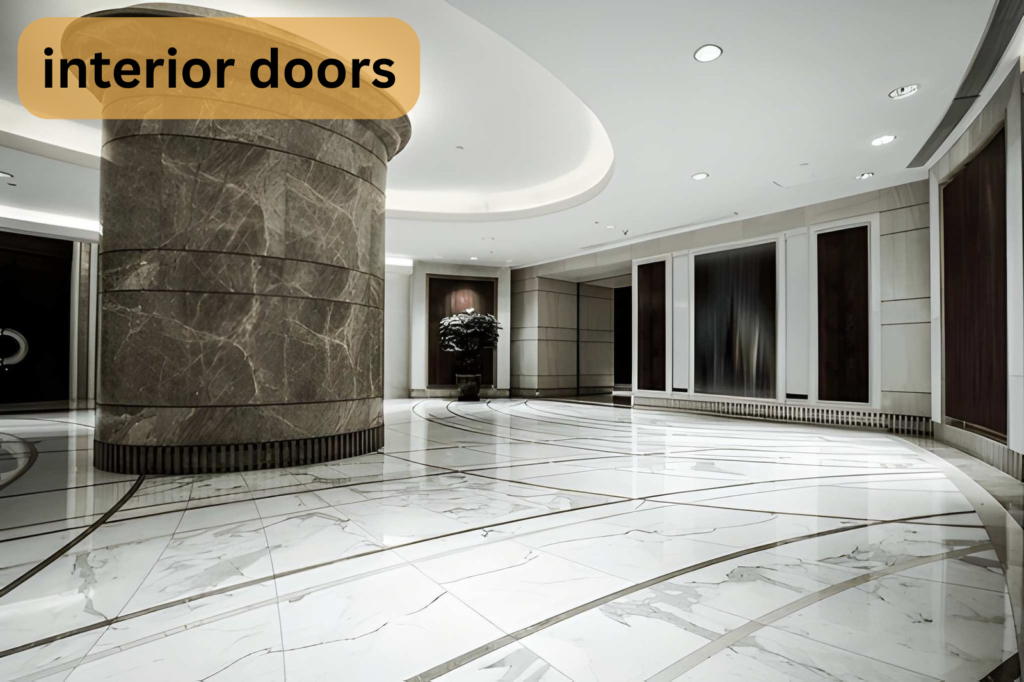
The concept of interior doors also connects with wall design because door styles and finishes affect the visual flow between rooms. Matching or complementing door materials with wall tones creates a more unified home environment.

7.Smart Storage for Clutter Free Living

home decor ideas

Clutter is one of those things that slowly ruins a room. Even if everything looks nice, too many things lying around make it feel uncomfortable pretty quickly. That’s why storage is such a big part of home design.

Hidden storage is usually the easiest fix. Stuff like under bed drawers, wall shelves, or storage benches helps a lot. You can keep things out of sight but still reach them when needed, so the room stays cleaner without much effort.

Open storage can work too, but only if you stay on top of it. If things are just placed randomly, it starts looking messy fast.

And honestly, this is also part of interior design. It’s not only about how a room looks, it’s about figuring out how to make everyday living feel easier in that same space.

Good home decor ideas usually start with storage. Not the decorative kind, but the practical kind. If a home is messy in daily use, it never really feels nice, no matter how it looks. When things are put away properly, the space feels lighter and more comfortable without trying too hard.

8.Seasonal Changes for Fresh Living

home decor ideas

You don’t need to redo your whole home to make it feel different. Small seasonal changes are enough. In summer, lighter fabrics feel better. In winter, heavier ones feel more comfortable.

Even simple things like changing cushion covers or curtains can shift the mood of a room. It keeps things from feeling stuck or repetitive. Most people don’t notice it, but these small changes actually make a home feel newer without much effort or money.

9.Budget Friendly Design Improvements

home decor ideas

You don’t need expensive furniture to improve a room. Sometimes just moving things around changes everything. Lighting also plays a big role. A different lamp or warmer bulb can completely change the feel of a space.

Even cleaning up properly or removing things you don’t use makes a big difference. A lot of styling techniques sound complicated, but in real life, small simple changes work better and last longer.

10.Common Mistakes in Home Decoration

home decor ideas

People often mess up by adding way too much to a room. Once every corner is filled, the space starts feeling crowded instead of cozy. That’s something Mintpaldecor talks about a lot knowing when enough is enough matters more than buying more décor.

Bad lighting is another problem. One bright light in the middle of the ceiling can make the whole room feel cold and flat.

And honestly, a lot of people decorate for appearance only. A room can look great in pictures, but if it doesn’t fit how you actually use it every day, it’s not going to feel right.

Knowing basic Interior Design Tips helps avoid most of these problems.

Final Thoughts

A nice home isn’t built in one day. It comes from small choices made over time. The best home decor ideas are simple ones that make life easier, not more complicated.

You don’t need perfection. You just need a space that feels good to live in and doesn’t stress you out.

Learning more about interior decorating or reading about interior design can help you understand what actually works in real homes, not just pictures.

8 Simple Ideas to Upgrade Your Home with interior doors

Walk into any room in your home and look around for a second. You will see walls, furniture, maybe some decor. However there is only one thing that adds to every area, & that is interior doors. Most people don’t pay attention to them, yet they are used every single day.

From real home visits and small projects, one thing is clear—when doors look right, the whole house feels better. People do not need a powerful plan or a lot of cash. Small and smart changes can improve your space in a simple way.

If you want easy ideas and inspiration, you can also explore mintpaldecor to understand what works in real homes.

1. Choose a Simple and Clean Design

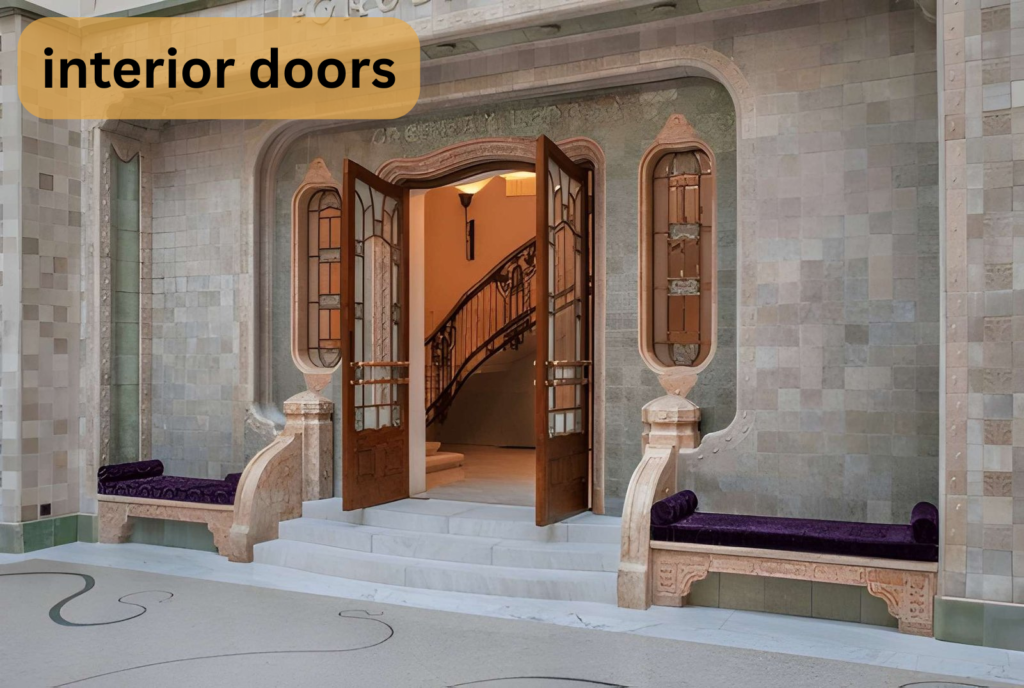
interior doors

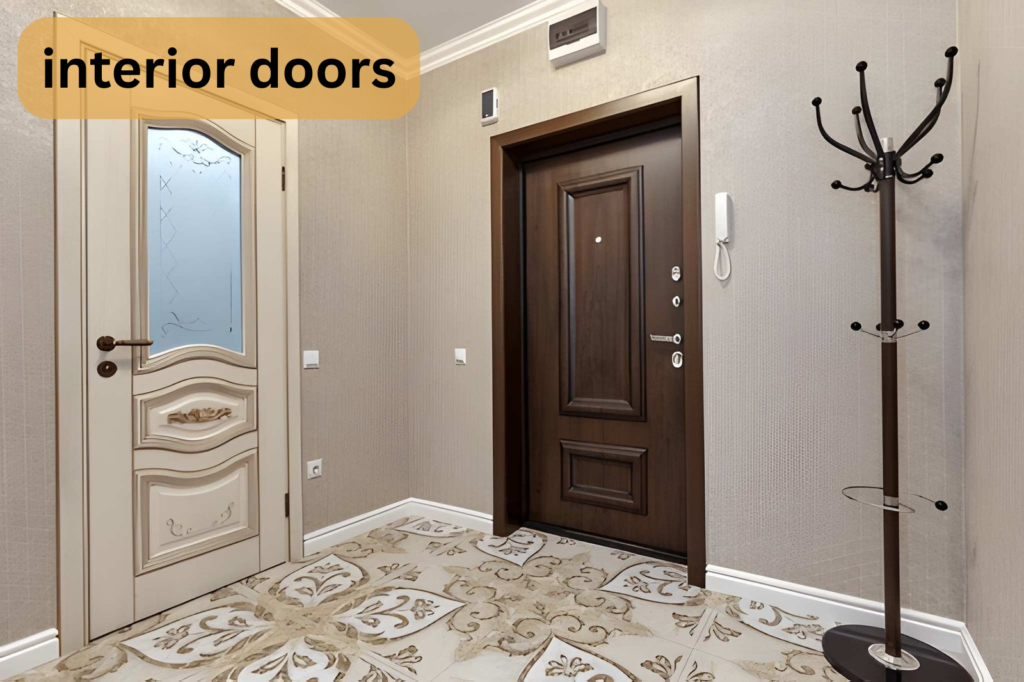
When selecting interior doors, always start with design. It is easy to get attracted to heavy patterns or fancy styles, but they don’t always fit well in every home. A simple and clean design is always a safe and smart choice.

I once saw a house where each room had a different door style. At first, it looked unique, but after some time, it felt messy and unplanned. Later, they changed all doors to one simple design. The result was calm, neat, and more organized.

Simple doors also make it easier to match furniture and wall colors. You don’t have to think too much about what goes with what. Everything just fits naturally.

If you need extra practical tips, you can see home improvement for tips that are simple to follow.

2. Use Light Colors for a Fresh Feel

interior doors

Shades have a powerful impact on how a space feels. Dark doors can make a space look smaller and a bit heavy. On the other hand, light-colored interior doors can make your room feel open and fresh.

Colors like white, off-white, and light grey work well in most homes. They reflect light and make the space look bigger than it is. This is very helpful, especially in small rooms or apartments.

In one small room project, we used a white door instead of a dark one. The change looked small, but the room felt brighter and more open right away.

If you want to understand color use better, you can visit house improvement and explore simple examples.

3. Add Glass Panels for Natural Light

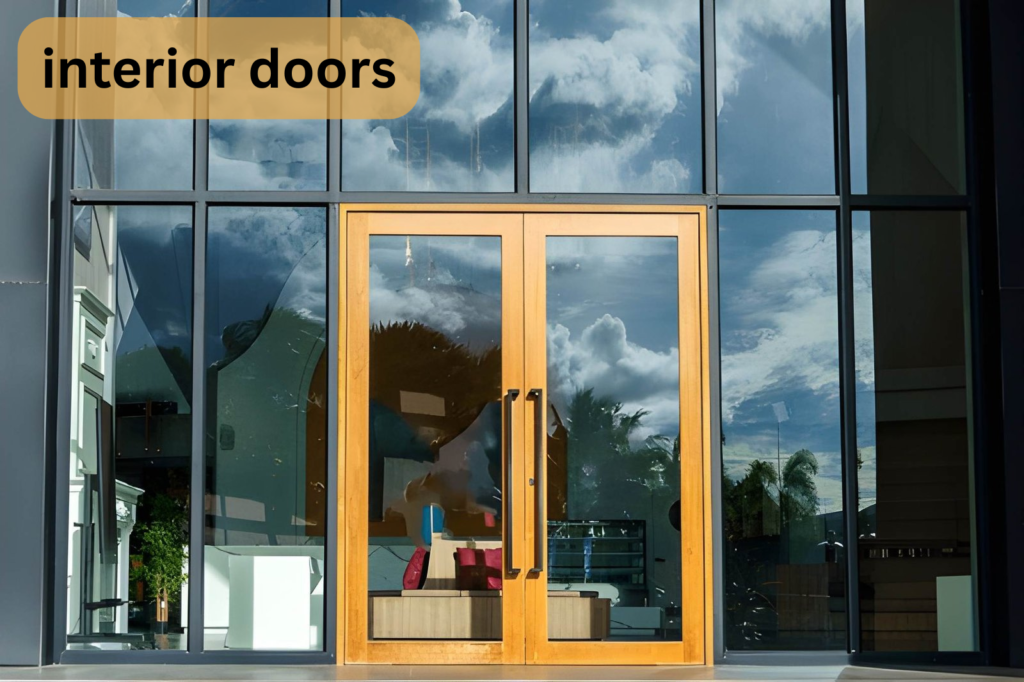
interior doors

Many homes feel a bit dark during the day, especially if there are fewer windows. One simple solution is to use interior doors with glass panels. This’ll allow light to move from single space to another room.

You do not want to go for a full glass gate. Even small glass sections can help bring in more light. They also keep privacy while improving brightness.

I have personally seen this work in small homes. Without Addington extra colors, the rooms begin to feel extra open & active.

This idea is useful for living rooms, kitchens, and study areas where natural light makes a big difference.

For more ideas like this, you can check interior decoration tips and learn how small changes improve your space.

4. Try Sliding Doors for Small Spaces

interior doors

Space is always important, especially in smaller homes. Normal doors need space to open, which can sometimes create problems. Sliding interior doors are a smart solution for this.

They move sideways instead of opening outward. This saves space and makes movement easier. You can use sliding doors in bedrooms, kitchens, or even storage areas.

I have seen many homes where people struggled with tight spaces. After installing sliding doors, the space felt easier to use and more comfortable.

This idea is simple but very effective. It helps you use your home in a better way without making big changes.

5. Safe Your Doors Clean & Well Maintained

interior doors

Sometimes the problem is not the door itself, but how it looks over time. Dust, marks, and old paint can make interior doors look dull and worn out.

Regular cleaning can make a big difference. Just wiping the surface and keeping it neat helps your home look fresh. If the paint is fading, a quick repaint can bring the door back to life.

I have seen doors that looked completely new after simple cleaning and polishing. It does not take much effort, but the result is clearly visible.

Taking care of your doors also means they last longer. People do not have to replace them again & again.

6. Upgrade Door Handles & Hinges

interior doors

People do not continue to want to replace the full door to see a difference. Sometimes, little information like handles & hinges can improve the appearance of your interior doors.

Old or rusty handles can make even a good door look outdated. Replacing them with simple and modern designs gives a fresh feel.

In one home, we only changed the handles and cleaned the hinges. The owner felt like the doors were completely new. That is how powerful small updates can be.

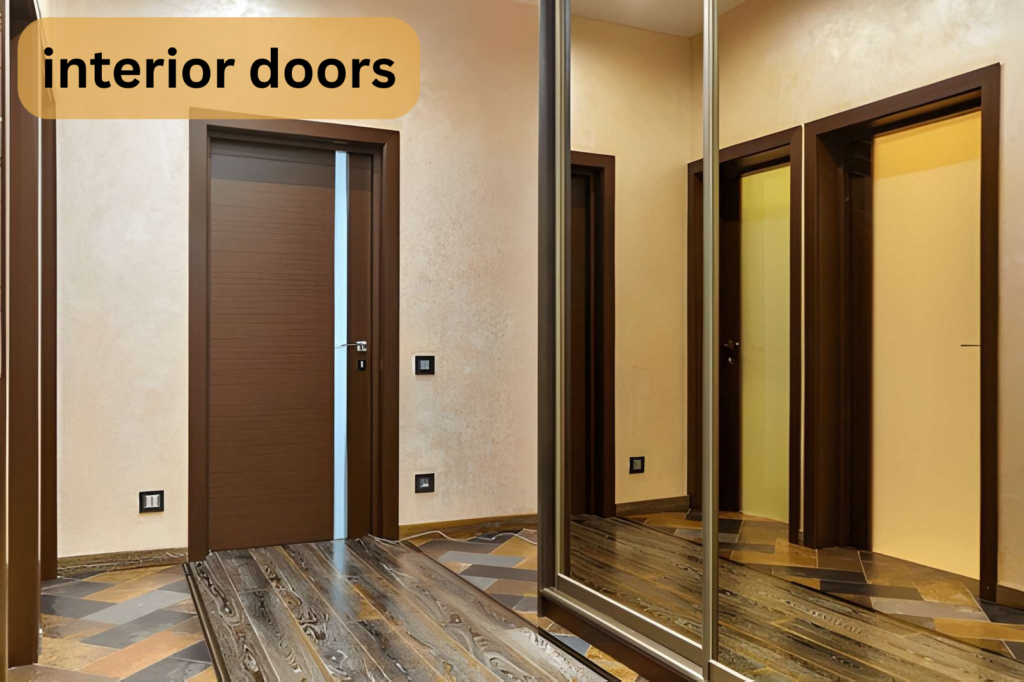
7. Match Doors with Your Floor

A well-designed home always feels balanced. One simple way to create this balance is by matching your interior doors with your floor.

If your floor has a wooden look, wooden doors can match perfectly. If your floor is light, then light-colored doors work better. This creates a smooth and connected look.

Many people ignore this detail, but it plays a big role in overall design. I have used this idea in different homes, and each time the result felt more organized and calm. It is a small step, but it helps your home feel complete.

8. Replace Very Old Doors When Needed

interior doors

Sometimes, doors become too old to fix. They may have damage, noise issues, or just look too outdated. In these cases, replacing them is the finest  choice.

The latest interior doors can commonly refresh your house. You can select a design that fits your current layout & wants.

I have seen homes where just replacing old doors changed the full look of the space. It felt cleaner, newer, and more comfortable without doing a full renovation. This way may cash a bit extra than others, moreover the outcome is worth it.

Final Thoughts

A better home does not always need big changes. Small improvements can create a strong impact. Interior doors are a single of those easy elements that can differentiate how your house feels each day.

Start with easy steps. Keep designs simple, use light colors, and take care of what you already have. If needed, make small updates like changing handles or adding glass panels.

All these ideas come from real experiences and practical use. They are simple to follow & do not need professional skills.

7 Easy Ideas for Better Home Styling That Anyone Can Follow

Have you ever looked at your house & felt like anything is missing? It can feel strange when your space does not give you comfort. The best thing is, you don’t want a big budget or professional skills to add to it. Little & simple changes can create your house feel nice again.

In this blog, we will talk about easy ideas for home styling. These ideas are simple, clear, and useful in real life. You can read them one by one without any worries.

1. Safe Your Space Fresh & Open

home styling

The first step of good home styling is cleaning your space. When your room is clean, it already looks better. Dustin, extra things, & unused items can create your house feel heavy & uncomfortable.

Starting by removing items you don’t use each day. Save only those things that are helpful & bring you happiness. When your space has less clutter, it feels bigger and more peaceful. Even a small room can look wide if it is clean and well arranged.

This simple habit is also part of home upgrades. Everyone does not always want new items or expensive decorations. Just organizing your space in a better way can change the full look of your home. Try to clean one small area daily. Slowly, your whole home will feel fresh and light.

2. Choose Soft and Simple Colors

home styling

Shades play the best role in home styling. The shades you select can change how your space feels. Light colors like white, pink, grey, as well as pastel colors make your room look beautiful & nice.

When walls are light in color, they reflect more light. This creates your space feeling bigger & extra open. Dark colors can also look nice, but they should be used in small amounts, like in cushions, rugs, or wall art.

If you are confused about color choice, think about interior design. The answer is balance. Your colors should match each other and create a peaceful feeling. Do not mix too many strong colors. Keep it simple and easy on the eyes so your home feels relaxing.

3. Use Natural Light as Much as You Can

home styling

Light is the key of the most powerful devices in home styling. Natural lights create your house look beautiful, nice, & alive. Open your window through the day & let sun lightning come inside.

A bright room always feels more positive. It also helps you feel active and happy. If any curtains are covered as well as blocked, try to save them open as much as possible.

If your home does not get enough sunlight, you can use warm lights. Soft yellow lights give a cozy and comfortable feel. Avoid very harsh white lights because they can feel cold.

This simple step is often shared in home upgrading because it is easy and free. Good lighting can completely change how your home looks without spending money.

4. Add Plants for a Fresh Look

home styling

Plants are a beautiful and natural way to improve your home styling. They bring life into your home and make it feel fresh. Even one small plant can change the mood of your room.

You can place plants on a table, near a window, or in a corner. If you do not have much time, choose easy plants that need less care. Green color also gives a calm feeling and connects your home with nature.

Trees are nothing but beauty. They also assist clean the air & make your environment perfect. This is why many people follow this tip in home upgrading.

You do not need expensive pots. Simple containers can also look nice if placed well. Keep it natural and simple.

5. Choose the Right Furniture Size

home styling

Furniture is an important part of home styling. The measurements of your furniture must fit your space. If your furniture is too big, your room will feel tight. If it is too small, your space may look empty.

Try to fix many open areas around your furniture. This creates a simple walk & offers a clean appearance. Do not push everything against the wall. A little space can make your room feel more balanced.

Smart choices like those seen in mintpaldecor ideas focus on comfort and space. Always think before buying furniture. Ask yourself if it fits well and if you really need it.

Good furniture placement can make your home look organized without adding extra items.

6. Add Personal Touch to Your Space

home styling

Your home should show your personality. This is a very special part of home styling. Add things that you love and enjoy seeing every day.

You can use family photos, simple artwork, or handmade items. This little information makes your house feel relax & welcoming. When you look around and see things you like, it brings happiness.

This idea connects strongly with home upgrading. Your house is not only a space to live. It is your comfort zone. So make it personal.

Don’t copy other people too much. Fashion comes & goes, however your comfortable matters mostly. Choose what feels right for you and your family.

7. Keep Decorations Simple

home styling

One of the best rules of home styling is to keep things simple. Many decor can create your house look nice & crowded.

Instead of adding many small items, choose a few good pieces. For example, one nice wall frame or one stylish lamp can be enough. When items have space around them, they stand out more.

Simple decoration also makes cleaning easier. Your home feels light and peaceful. This style never gets old and always looks good.

Always remember, less is more. A simple home often feels more beautiful than a crowded one.

Why Simple Home Styling Works Best

home styling

Simple home styling works because it is easy to manage. It saved Time, cash, & effort. You don’t need stressed whenever your house is beautiful & well set.

Experts always suggest keeping things simple. When your space is calm, your mind also feels relaxed. You don’t want to follow each new styles. Just focusing on comfort & balance.

Final Thoughts

home styling

Good home styling is not about spending a lot of money. It is about making smart and simple choices. Clean your space, choose soft colors, use natural light, and keep your decor simple.

When your home feels right, your mood also improves. Take small steps every day, and slowly your home will become a place you truly enjoy.

How to Style an Artificial Ficus Tree to Look More Real

The ficus tree is one of the top choices of all artificial plants for home decor. This plant is tall, full, and elegant; just right for adding warmth and liveliness to your living room!

However, if you do not style an expensive artificial ficus correctly, then it can look flat. But when you implement just a few simple tips, your tree will look quite real.

This guide explains everything, from the selection of the right tree to the finishing touches that will make all the difference. If you are a first-time buyer or looking to upgrade the ficus you already have, these tips will help you get the most natural look possible.

Choosing the Right Ficus Tree

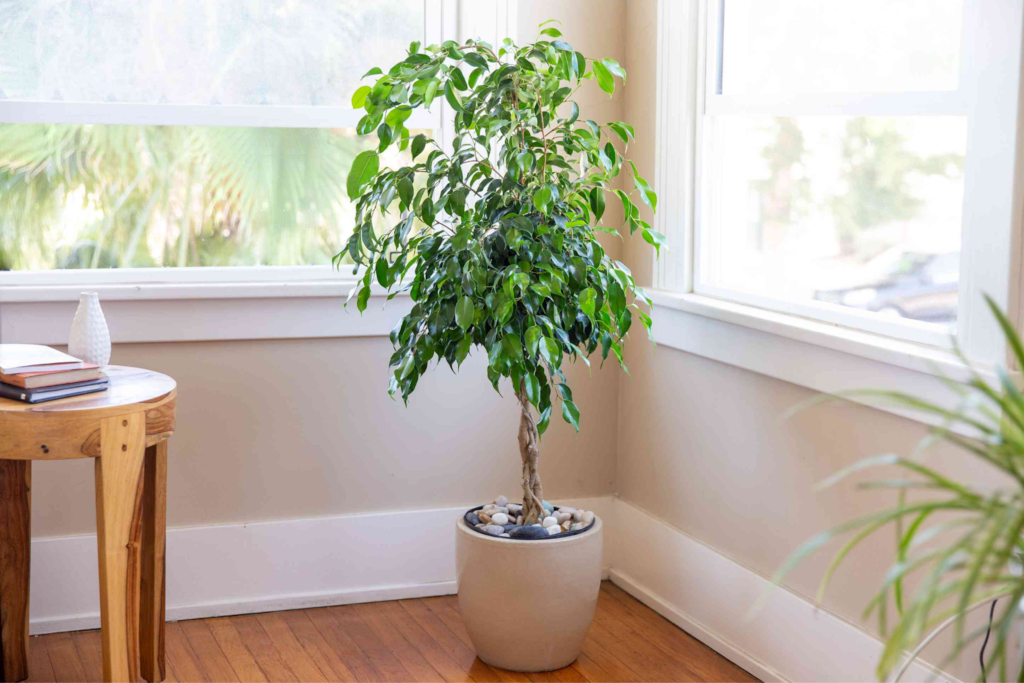
An artificial ficus tree is available in varieties. Some of the most common types include ficus benjamina, with its small glossy leaves and fine branching character, and the fiddle leaf fig, with its large sculptural leaves and strong visual impact, better known as ficus lyrata.

The trunk can also be braided to give the base a beautiful appearance. Each type has its own character. So it is worth giving some thought to which type best suits your home’s style before you buy.

When selecting a tree, look at its size, colour and shape of the leaves. A small tree will look diminutive for the space, while a tree that is oversized will overwhelm the whole room. HRtrees offers artificial ficus trees in various sizes to help you pick the right one for your space. 

Search for leaves that have natural color variations. Real ficus leaves are not all the same shade of green, so a good faux tree should reflect this variation. 

Assessing the Placement

The location where you decide to put your ficus tree is just as important as how it looks. The best place for your potted ficus is basically the same place where a real tree would be placed. A window or a bright corner are the most obvious choices. Putting your fake ficus in these places makes it believable to the eye since that is exactly where a live plant would be found.

If you are going for a more comprehensive approach to your home decor, you can try coordinating your ficus placement with hidden doors ideas for a multi-layered, well-thought-out and very characterful scheme. Don’t leave it stuck in a dark, neglected corner, the kind of place where a real plant wouldn’t be able to survive. That will immediately make one suspect it is fake.

Light has a big impact on the appearance of a ficus tree. The light streaming into the well-lit window will create a shadow of the leaves on the floor as they will be moving. If natural light is limited, warm-toned floor lamps or spotlights angled at the tree can produce similar results.

Fluffing the Foliage

Artificial ficus looks more convincing if it is fluffed up nicely. In fact, you may just find it to be the most important step in making your faux ficus look more lifelike. But more often than not, we tend to skip this step completely. Most artificial trees are shipped with the branches tightly packed together. The tree appears rigid, flat and unquestionably artificial without fluffing.

Begin with the lower branches first, working your way up pulling each branch outwards, away from the trunk. Next, place the smaller sub-branches and individual leaves so they fan out naturally.

The goal is to create some depth and dimension to the tree. Real ficus trees have layers – some leaves play supportive roles in front; some tuck deeper inside; some catching light at diff angles. Purposefully place branches, some more forward and others further back, to create this effect.

Adding Natural Elements

One of the easiest ways to make an artificial ficus seem more real is to incorporate true natural elements around its base. The plastic base of the artificial trees is the biggest giveaway so you must cover it.

Adding a layer of real potting soil or dried moss on top of the base gets these close to real. Both are affordable and easily found in garden centers and craft stores.

For extra texture and visual richness, add a layer of decorative stones, pebbles, or river rocks on top of the soil or moss. This is exactly what you would see in a well-styled real plant pot. 

Choosing the Right Pot

The shape and size of the pot you choose can make or break the overall look of your ficus tree. A cheap or mismatched pot immediately detracts from the tree itself. 

Choose a pot that is proportional to the size of the tree, so as a rule-of-thumb, the pot should be about a third of the height of the tree. Using materials such as terracotta, ceramic, concrete and woven seagrass helps reinforce the illusion of the presence of a live plant.

Colors like white, sand, charcoal and earthy brown won’t take away the attention from ficus foliage. After you place the tree in a pot, completely cover its artificial base with moss, soil, or stones.

Incorporating Lighting

Lighting has an incredible magic that can change the way your artificial ficus tree looks. A very popular and effective technique is to weave warm white string lights through the inner branches of the tree.

The soft beam coming through the leaves casts a gentle glow which adds a warmth and touch of magic to the whole room. It works best in spaces such as a living room or bedroom where you want a cozy effect.

For a more dramatic effect, a spotlight or an uplighter aimed upwards from the tree’s bottom can throw tree branch shadows onto the foliage above. Nevertheless, the best light by far is natural light. A ficus placed by a bright window will have that soft shifting light and shadow on its leaves that no man-made lighting can really replicate.

Conclusion

Styling an artificial ficus tree to look real is all about the details. Each styling step we’ve talked about builds on the last to create a convincing and beautiful result. These measures are simple and inexpensive but together they make a huge impact.

Feel free to play around and make the tree your own; you cannot go wrong with it! Switch up the branches, use another pot, add or swap the stones or even a string of lights will change it. An artificial ficus that is well styled it is a design statement that gets warmth, texture and life into your home every day of the week.

The Secret to a Stylish Kitchen Without a Full Renovation

Kitchen

A full kitchen renovation can be expensive, time-consuming, and disruptive. For many homeowners, it’s simply not practical to take on a complete overhaul.

The good news is that creating a stylish, modern kitchen doesn’t always require starting from scratch. In many cases, a few well-chosen updates can completely transform how the space looks and feels.

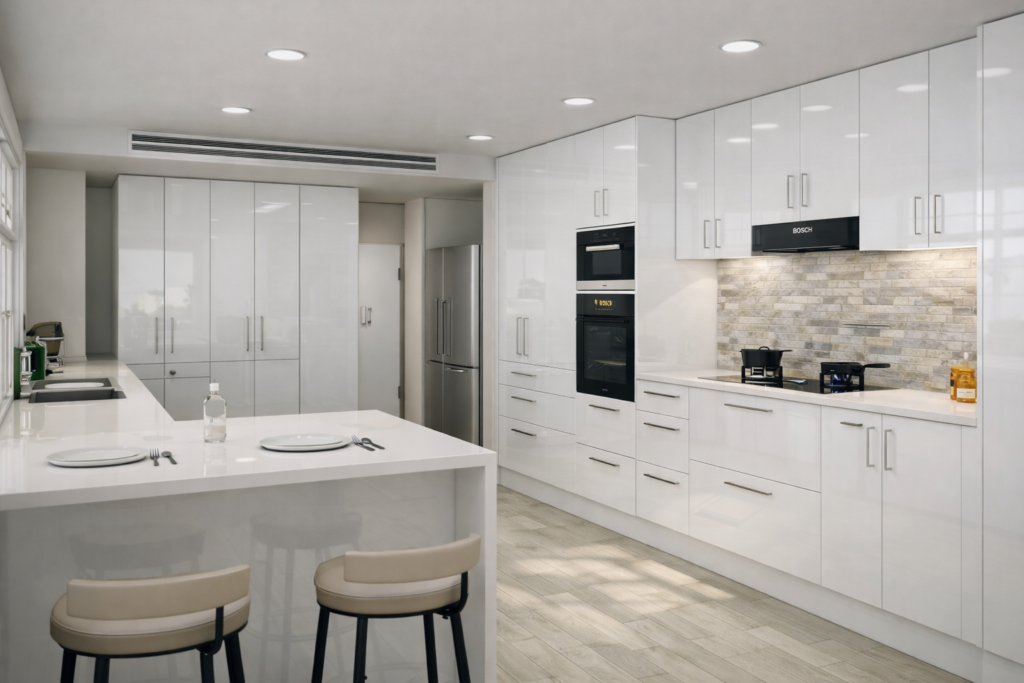
By focusing on high-impact visual elements—rather than structural changes—you can refresh your kitchen in a way that feels both manageable and effective. This approach allows you to improve the overall look of your space without the cost, stress, or downtime of a full renovation.

1. Focus on What People Actually Notice First

One of the biggest mistakes people make when updating a kitchen is assuming everything needs to change. In reality, most of the visual impact comes from just a few key elements.

Cabinets, benchtops, lighting, and overall layout are what define how a kitchen looks at first glance. If these areas feel dated, worn, or inconsistent, the entire space can appear older than it really is—even if the structure itself is still in good condition.

In many cases, it’s not the kitchen that’s the problem, but the visible details. Scuffed surfaces, outdated finishes, or poor lighting can make an otherwise functional kitchen feel tired.

A smarter approach is to start with what stands out most. By focusing on the elements people notice first, you can create a noticeable transformation without committing to a full renovation.

2. Refresh Your Cabinets Instead of Replacing Them

Cabinets dominate the visual space in any kitchen, so even small changes can have a big impact. The good news is that many kitchens don’t need a full cabinet replacement to feel updated.

Simple upgrades can go a long way. Swapping out handles is one of the quickest ways to modernise the look. Cleaning, repainting, or refinishing cabinet fronts can also refresh tired surfaces, while adjusting doors and panels helps create cleaner lines and a more polished finish.

That said, not every cabinet is worth saving. If the structure is worn, damaged, or outdated beyond repair, replacing them can sometimes be the more practical option. In these cases, suppliers like Ross’s Discount Home Centre offer pre-assembled cabinetry that provides a clean, modern upgrade without the time and complexity of custom joinery.

By starting with light-touch improvements and only upgrading when necessary, you can achieve a more stylish kitchen without committing to a full renovation.

3. Choose a Clean, Cohesive Colour Palette

Colour plays a major role in how modern and well-designed a kitchen feels. Even if the layout and cabinetry are in good condition, mismatched or outdated colours can make the entire space feel disconnected.

A clean, cohesive palette is often the simplest way to elevate a kitchen’s look. Neutral tones—such as whites, soft greys, and warm beiges—create a more refined and timeless feel. They also help reflect light, making the space appear brighter and more open.

Consistency is just as important as colour choice. Keeping tones aligned across cabinets, walls, and surfaces creates a sense of flow, which makes the kitchen feel more intentional and put together.

Rather than relying on bold or trend-driven colours, a cohesive palette allows the space to feel balanced and adaptable—giving you the flexibility to update smaller details over time without needing another major overhaul.

4. Upgrade Hardware for an Instant Lift

Small details often make the biggest difference, and hardware is a perfect example. Handles and tapware might seem minor, but they’re among the most visible elements in a kitchen—and one of the easiest ways to update the overall look.

Swapping out old handles for more modern styles can instantly refresh cabinetry without any major work. Finishes like matte black create contrast and a contemporary edge, while brushed brass adds warmth and a more premium feel. For a cleaner, minimalist look, simple and streamlined designs work best.

Because hardware is relatively quick and affordable to change, it’s one of the most effective ways to give a kitchen an immediate lift—without committing to larger upgrades.

5. Improve Lighting to Change the Entire Feel

Lighting is one of the most overlooked elements in a kitchen, yet it has a huge impact on how the space looks and feels. Poor lighting can make even a well-designed kitchen appear dull, dated, or flat.

Many kitchens rely too heavily on a single overhead light, which often creates shadows and uneven illumination. This not only affects how the space looks but also makes everyday tasks less comfortable.

A more effective approach is to layer your lighting. Adding under-cabinet lighting brightens benchtops and highlights surfaces, making the kitchen feel more functional and modern. Introducing warm ambient lighting helps create a softer, more inviting atmosphere, while pendant lights can act as feature elements that add style and visual interest.

With the right lighting in place, the entire kitchen can feel brighter, more spacious, and far more refined—without changing anything else.

6. Update Surfaces for a More Modern Look

Surfaces play a major role in defining a kitchen’s overall style. Even if your cabinets are in good condition, outdated benchtops or splashbacks can make the entire space feel tired.

Updating these elements doesn’t always require a full renovation. Replacing or refinishing benchtops can dramatically change the look of a kitchen with relatively minimal disruption. It’s one of the most effective ways to modernise the space without altering the layout.

Materials like marble-look finishes can introduce a more refined, high-end feel, while timber textures add warmth and contrast. Modern laminates are also a popular option, offering a clean, contemporary look at a more accessible price point.

By focusing on surfaces, you can refresh the overall aesthetic of your kitchen and create a more cohesive, updated appearance without starting from scratch.

7. Know When a Bigger Upgrade Makes Sense

While many kitchens can be refreshed with small updates, there are times when those changes go only so far. If cabinets are worn beyond repair, layouts feel impractical, or the space no longer suits its current use, a more substantial upgrade may be the better long-term solution.

The key is recognising when surface-level improvements are no longer enough. Continuing to patch over deeper issues can end up costing more over time, especially if functionality is compromised.

If your refresh starts to move beyond simple updates, it’s worth taking a more structured approach. Following a practical kitchen renovation guide can help you plan effectively, avoid common pitfalls, and make informed decisions before committing to a larger project.

8. Simplify and Style for a Finished Look

A stylish kitchen is often a simple one. Even well-designed spaces can lose their impact when there’s too much visual activity.

Clutter is one of the quickest ways to make a kitchen feel smaller, busier, and less refined. Keeping benchtops clear and limiting decorative items helps create a cleaner, more intentional look. Instead of filling every space, focus on a few well-chosen pieces that complement the overall design.

Consistency also plays a big role. Coordinating materials, colours, and finishes across the kitchen helps tie everything together and reinforces a cohesive feel.

Sometimes, it’s not about adding more—it’s about refining what’s already there.

Conclusion

Creating a stylish kitchen doesn’t have to mean committing to a full renovation. In many cases, smart, targeted updates can deliver a result that feels just as polished and modern.

By focusing on the elements that have the most visual impact—cabinets, surfaces, lighting, and overall cohesion—you can transform the look and feel of your kitchen without the cost and disruption of starting from scratch.

For those looking to upgrade key elements, retailers like Ross’s Discount Home Centre in Perth make it easier to achieve a modern kitchen look with practical, ready-to-install solutions.

8 Simple Ideas to Learn Interior Design and Make Your Home Better

Have you ever walked into a house & felt calm without understanding why? That soft and peaceful feeling often comes from good interior design. A stylish space is not about spending more cash. It is about small, smart choices that work together.

Various individuals think they want experts to fix their house. That is not right. Once can start with very main steps. Even little changes can make your room feel unique & comfortable.

In this blog, all things are explained in very simple ways. You can read it without stress & apply it in your own house. Let’s start this easy journey of interior design together.

What Is Interior Design?

interior design

Interior design means setting up your home in a way that looks nice and feels right. It is not about appearance. It is also about stylish & ease. When a room is designed well, you can move easily, sit comfortably, and feel relaxed.

It includes many small things like colors, furniture, lighting, and space. When these things match each other, the room looks balanced. When they do not match, the room feels messy.

For instance, if a space has various things, it feels so tight. If it has no color, it feels dull. Good interior design finds the middle point. It keeps things simple but still nice.

Why Interior Design Matters

interior design

Your home is where you spend most of your time. If someone’s room is not fixed well, it can make you feel tired without any issue. But when your room is clean and calm, your mood also feels better.

Good interior design helps your mind relax. It makes daily life easier. You find things quickly. You enjoy sitting in your room. Even guests feel comfortable when they visit.

You do not need big changes for this. Small steps like fixing light or moving furniture can bring a big difference. That is why learning interior design is useful for everyone, not just experts.

1. Safe Your House Clean & Simple

interior design

The only way is continuing cleaning. Remove things you do not use. Extra items make your room look crowded and untidy.

A simple room gives you space to breathe. It also looks bigger and brighter. Add to save only those items that you really want and love.

It has some of the finest Interior Design Tips. When your space is clean, everything else becomes easy. Anyone can see what is not added & what wants to different.

Make a habit of cleaning your space daily. Even five minutes can help you keep your room fresh and neat.

2. Choose Soft and Light Colors

interior design

Colors have a strong effect on how your room feels. Bright shades like white, pink, or bright grey create a space that looks open & calm.

Dark colors can make a room feel smaller if used too much. But you can still use them in small parts, like cushions or a wall.

Good color choice is a big part of interior design. It helps create mood. Soft colors bring peace, while bright colors add energy.

Try to keep a balance. Do not use too many colors in one place. Keep it simple so your room feels easy on the eyes.

3. Use Natural Light

interior design

Light changes everything. A room with sunlight always feels better than a dark room.

Open your windows during the day. Let fresh air and sunlight come in. It makes your space look clean and alive.

If your room does not get much sunlight, use soft lights instead of harsh ones. Warm lights feel more comfortable.

Good lighting is an important part of interior design. It helps your room look fresh and welcoming without much effort.

4. Pick the Right Furniture

interior design

Furniture should match your space. Do not choose items that are too big or too many.

Save furniture easily & useful. Make sure anyone has an area to walk comfortably. A crowded room can feel stressful.

Think before you place anything. Tell yourself if you want it. This assists you in ignoring more clutter.

5. Add Small Decorations

interior design

Decorations bring life to your room. But too many items can spoil the look.

You can add a small plant, a photo frame, or a soft lamp. These small items make your space feel warmer & personal.

Flowers are the best choice. They appear stylish & also create a relaxing atmosphere.

Many people enjoy decorating because it shows their taste. It gets you to make a room that appears like your own.
6. Add Curtains & Rugs Smartly

interior design

Curtains and rugs are small things, but they change the whole look of a room.

Light curtains make your room feel soft and open. Thick curtains can make it feel heavy if not used right.
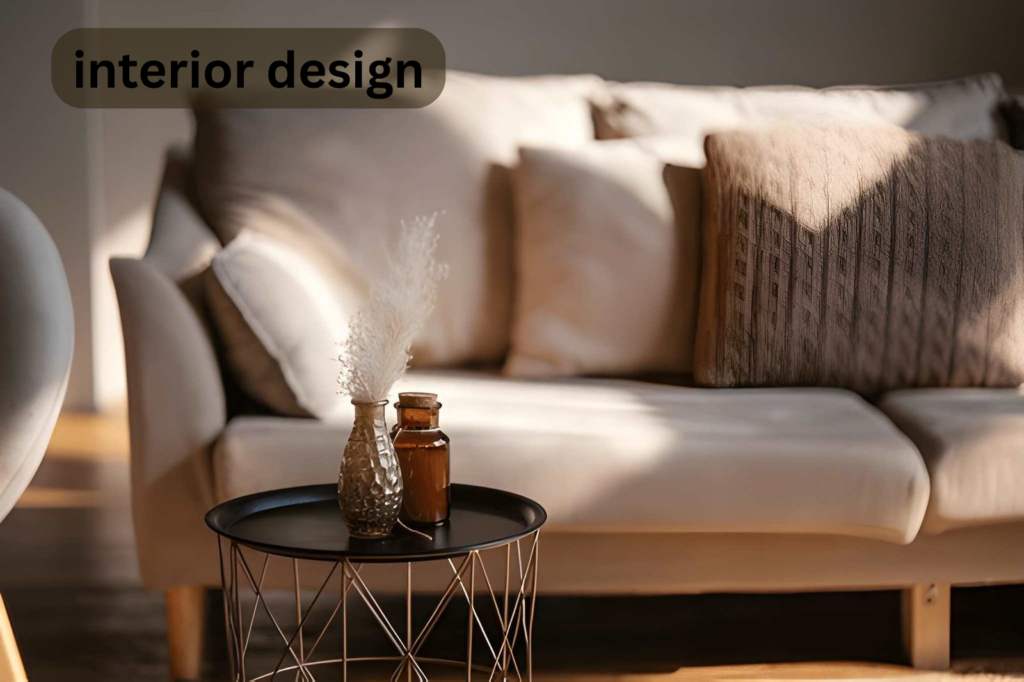
Rugs add warmth and comfort. They also help define your space.

7. Arrange Things in a Smart Way

interior design

Arrangement is very important. Even good items can look bad if they are placed wrongly.

Keep your bed near a wall. Place your table where you get enough light. Leave space between items so you can move easily.

Do not block doors or windows. A clear path makes your room feel open and easy.

Smart placement is a big part of interior design. It helps your space look clean without buying anything new.

8. Follow Your Own Style

interior design

Your home should feel like your own place. Do not copy others too much.

Choose things that you like. If you enjoy simple spaces, keep it minimal. If you like colors, add them in a soft way.

Comfort is more important than trends. You should feel relaxed in your own room.

Final Thoughts

A beautiful home is not about expensive things. It is about smart thinking and simple steps. Anyone can learn interior design with practice.

Start by cleaning your space. Use soft colors. Add light and keep furniture simple. Decor your space open & relaxing.

Takes your time & enjoy the method. In the last, your house must be a area where you feel comfortable, relax, & at peace.

6 Questions to Ask Before You Rent a Dumpster

Dumpster

Granada Hills is a beautiful community surrounded by rolling hills and tree-lined streets. This area is home to families, small businesses, and local parks that give it a peaceful, suburban feel. People living and working here often do projects like fixing up their homes, cleaning their yards, or organizing community events. These activities can create a lot of trash that needs to be taken care of properly.

When dealing with large amounts of waste, renting a dumpster can make the process much easier. It’s even more important to ask key questions to ensure a smooth experience, such as: What size dumpster do I need? What is included in the rental package? Does the dumpster have a weight limit? What items are not allowed to be dumped? Are any permissions required for dumpster placement? And how long can I rent the dumpster?

Knowing these answers ensures a smooth rental experience without any unexpected issues. Many residents and businesses in Granada Hills rely on trash bins for rent in Granada Hills, which offer a convenient and reliable solution.

In this article, we’ll see the six essential questions to ask before renting a dumpster in detail, helping you manage your waste effectively.

Questions To Be Asked Before Renting a Dumpster 

Renting a dumpster may seem simple, but asking the right questions beforehand ensures a smooth, efficient, and safe waste management process. Proper planning helps prevent unexpected costs, project delays, and safety risks. Below are six essential questions to ask before booking a dumpster:

1. What size dumpster do I need?

Dumpster sizes vary depending on the scale of your project and the type of waste you plan to dispose of. Choosing the wrong size can create problems; too small, and you’ll run out of space; too large, and you may pay for unused capacity. Understanding your project’s volume and waste type ensures you select a dumpster that meets your needs efficiently.

2. What is included in the rental package?

Dumpster rental services may vary in what they include. Some packages cover delivery, pickup, and disposal fees, while others may charge separately for these services. Clarifying the full scope of the package prevents unexpected expenses and ensures you know exactly what you’re paying for.

3. Does the dumpster have a weight limit?

Each dumpster has a maximum weight it can safely hold. Overloading the bin can lead to additional fees or even unsafe conditions during transport. Knowing the weight limit upfront allows you to plan accordingly, ensuring your waste is disposed of safely and cost-effectively.

4. What items are not allowed to be dumped?

Not all waste can go into a standard dumpster. Items such as chemicals, paints, batteries, electronics, and other hazardous materials often require special handling. Confirming prohibited items before your rental helps avoid fines, ensures compliance with regulations, and keeps your project safe.

5. Are any permissions required for dumpster placement?

Placing a dumpster on a street, sidewalk, or even a driveway may require local permits or property owner approval. Asking questions regarding permissions ahead of time helps you avoid legal issues, fines, or delays, keeping your project on schedule.

6. How long can I rent the dumpster?

Dumpster rental periods vary from a few hours to several days or even weeks. Knowing the rental duration allows you to plan your cleanup effectively and avoid extra charges for late returns or extended use.

By carefully addressing these six questions, you not only streamline your dumpster rental experience but also ensure proper handling and disposal of all materials, including hazardous waste, making your project safer, more efficient, and environmentally responsible.

Key Takeaways

  1. Renting a dumpster in Granada Hills simplifies cleanup for home, yard, and community projects.
  2. Choosing the right dumpster size prevents wasted space or extra costs.
  3. Knowing what’s included in the rental and any weight limits avoids unexpected fees and makes selecting trash bins for rent in Granada Hills easier.
  4. Understanding prohibited items and permit requirements ensures safety and legal compliance.
  5. Confirming the rental duration helps plan projects efficiently and safely handle hazardous waste.