
A well-designed home is not an accident.It comes from small choices made with care.When they attempt to decorate, many people feel trapped.They buy things that do not fit together. Or they follow trends that do not last. This is where a clear interior decorating guide helps.
The procedure is divided into easy steps in this instruction. Both a large budget and design training are not necessary. All you need is a strategy and a little perseverance. Your space seems balanced and comfortable to live in as each phase builds upon the previous one.
You will learn how to define your style, choose colors, arrange furniture, and add details that feel personal. The focus stays on real homes and practical decisions. This interior decorating guide also reflects how people in the United States live today, with a mix of comfort, function, and style.
By the time it’s all over, you will know exactly what to do.No guesswork. Just a simple way to make your home feel right.
Step 1 Understand Your Space Before You Start
Every good interior decorating guide starts with the same idea. Know your space before you change it.
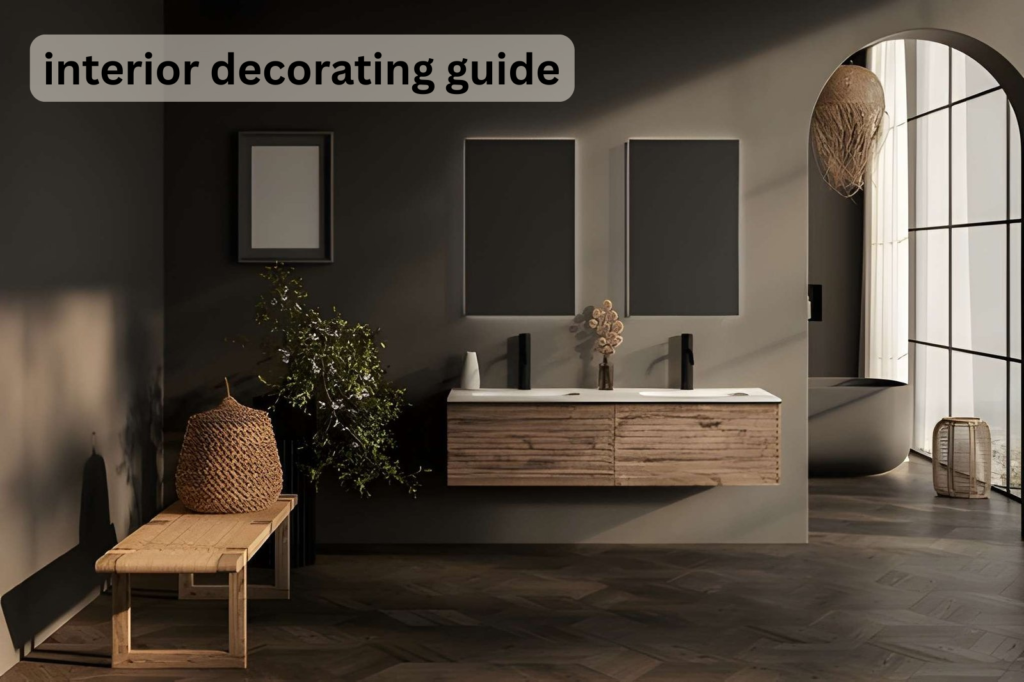
Take a stroll around your house and give it a new perspective.Notice the size of each room. Pay attention to natural light. Some rooms feel bright most of the day. Others stay dim. This affects color and furniture choices more than people expect.
Measure your space. This step is frequently omitted, which causes issues down the road. A sofa that looks perfect online may not fit your living room. A rug may feel too small once it is placed. Basic measurements save time and money.
Think about how you use each room. A living room in a busy family home will look different from one used for quiet evenings. This is where many home decoration ideas fail.
A useful tip is to sketch a simple layout. You do not need software. Just draw the room and mark doors, windows, and large furniture.
Many top design guides stress this step, but they often rush through it.The reality is straightforward. Understanding your space makes all other decisions easier. .
Step 2 Define Your Style in a Realistic Way
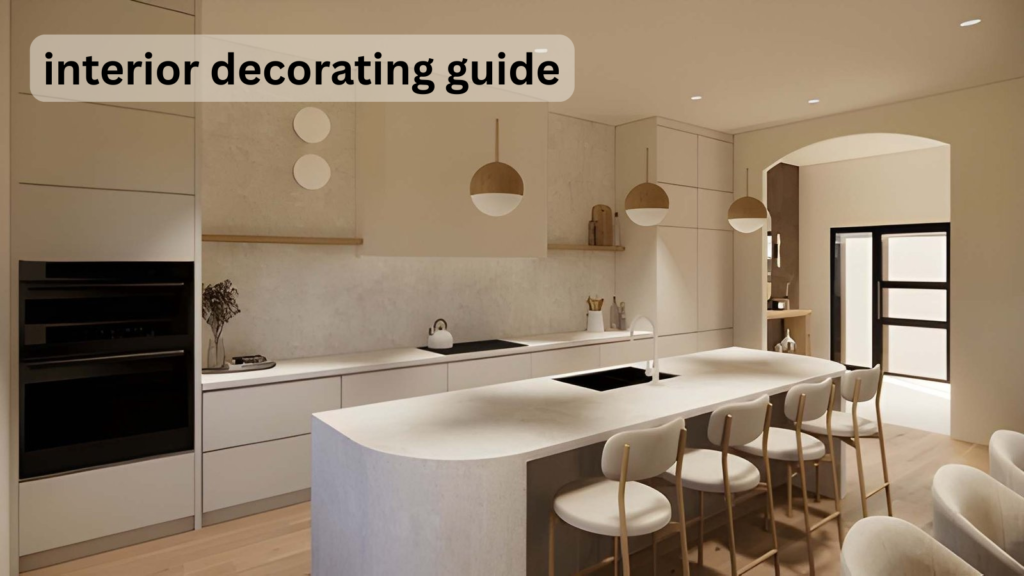
Style matters, but it should feel natural. Not forced.Scroll through decor inspiration online, but do not copy everything you see. Save images that you like. After a while, you will notice patterns. Maybe you like neutral colors. Maybe you prefer warm wood tones. This tells you more than any label like modern or classic.
An interior decorating guide should not push you into one style. Real homes often mix styles. A clean sofa can sit next to a vintage table. What matters is balance.
Be honest about your lifestyle. If you have kids or pets, delicate furniture may not work. If you work from home, your space needs to support that.
Many people in the United States lean toward comfort first. Soft seating, simple layouts, and easy care materials are common. This is why many home decor ideas today focus on function as much as looks.
Make an effort to maintain a basic style. Small things can easily be added later.This makes your space flexible as trends change.
Step 3 Choose a Color Plan That Feels Right
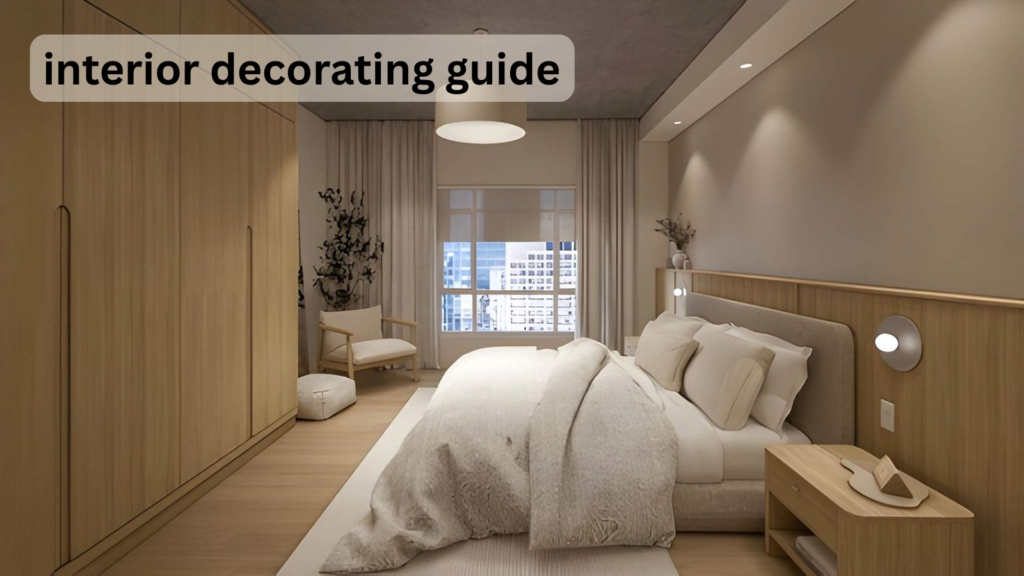
Color shapes how a room feels. It can make a space calm or busy.Start with a simple palette. Pick two or three main colors.Include one or two accent colors. This prevents the space from appearing disorganized.
Light hues provide the impression that a tiny space is larger. Although they give depth, dark tones require adequate lighting.
Many interior styling tips suggest testing paint samples on your wall. This is worth the effort. Colors look different in real light than they do online.
In many homes, neutral hues are still trendy. Gray, beige, and white make a soothing foundation. You can then add color through pillows, rugs, or art.
Some of the latest decoration trends highlight soft earth tones and warm neutrals. These colors feel relaxed and easy to live with.
Avoid picking colors in a rush. Take time to see how they look during the day and at night. A good home decorating guide always treats color as a long term choice, not a quick fix.
Step 4 Pick Furniture That Fits Your Life
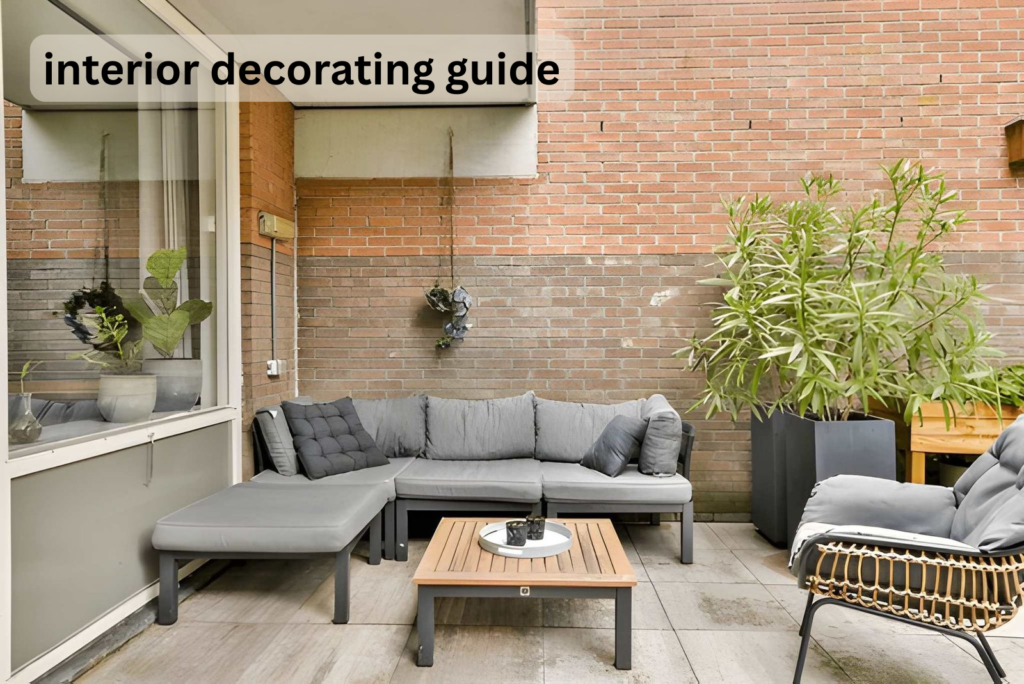
Furniture is where design meets daily use.Start with key pieces. A sofa, a bed, a dining table. These items shape the room. Choose quality where you can. It lasts longer and feels better over time.
Size matters. Large furniture can make a room feel tight. Small pieces can look lost in a big space. Balance is key.
Think about comfort. A chair may look good but feel stiff. Try to test furniture when possible. In the United States, many buyers now focus on comfort first, then style.
This is where many home decor concepts fall short. They focus on looks but ignore use. A beautiful space that does not work will not feel right.
Keep some open space in each room. Not every corner needs furniture. Empty space helps the room breathe.
A strong home decorating guide reminds you that furniture is not just decoration. It supports your daily routine.
Step 5 Plan Your Lighting with Care
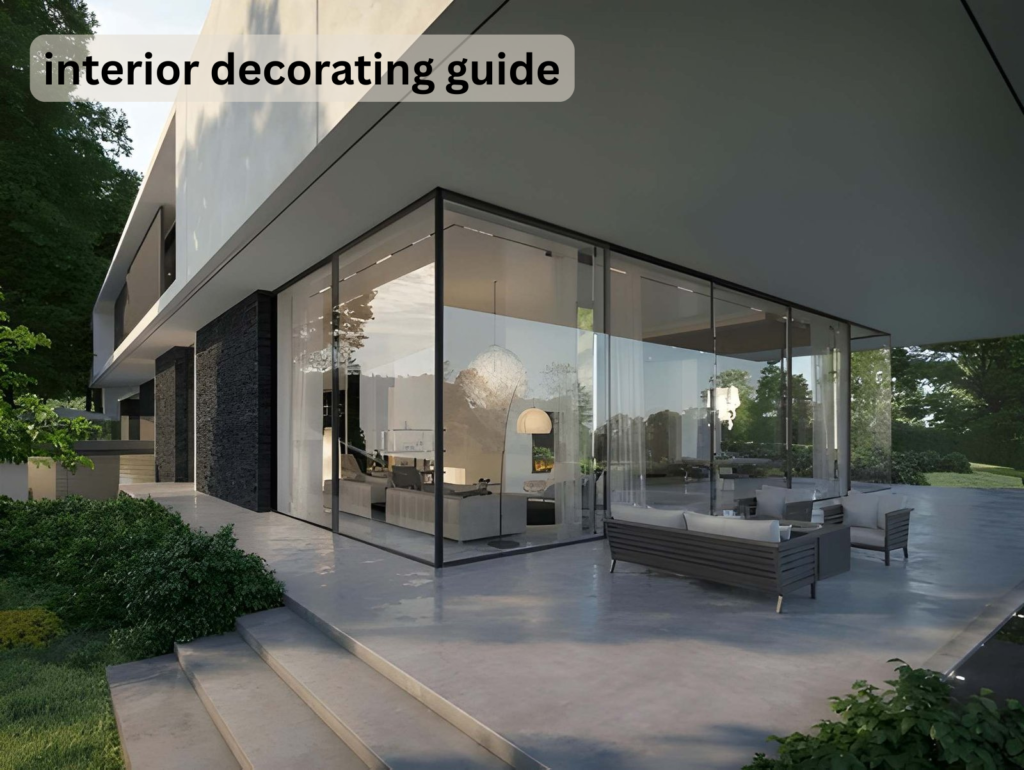
Lighting changes everything.Most homes need more than one light source. A ceiling light alone often feels flat. Add lamps to create layers.
For locations that are peaceful, use soft lighting. Kitchens and offices benefit from brighter lighting.This simple change improves both mood and function.
Natural light is just as important. Keep windows as open as possible. Light curtains work better than heavy ones in most rooms.
Good home styling tips often include mixing different light types.
In many modern homes, lighting is used to create a calm feel. Warm bulbs are more common than harsh white ones.
Take time with this step. A room with the right lighting feels complete, even with simple decor.
Step 6 Add Texture to Make the Room Feel Lived In
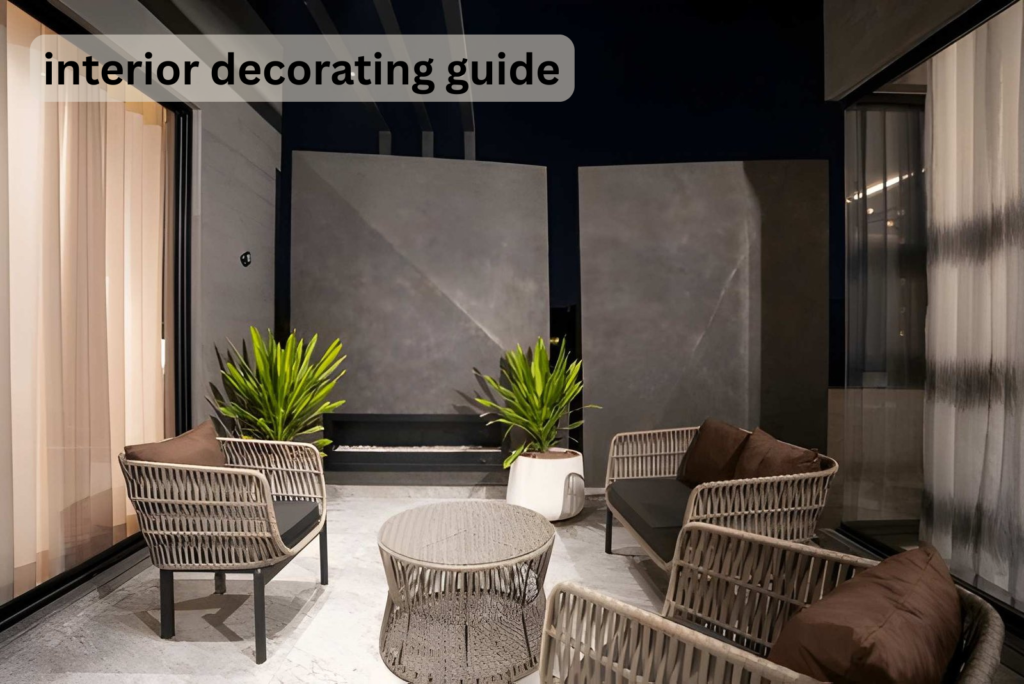
Texture brings warmth into a space.Mix different materials. Wood, fabric, metal, and glass each add something unique.Smooth surfaces alone can make a space feel chilly.
One of the simplest ways to add texture is with rugs.
They also help define areas in open spaces.Select a size that complements the arrangement of your furnishings.
Throw blankets and pillows are inexpensive ways to increase comfort.They are also easy to change if you want a new look.
Many decorating inspiration sources show layered textures. This is not just for style. It makes a room feel complete.
Keep it simple. Too many textures can feel busy. A balanced mix works best.
A good interior decorating tips treats texture as a quiet detail that makes a big difference.
Step 7 Use Wall Space with Purpose
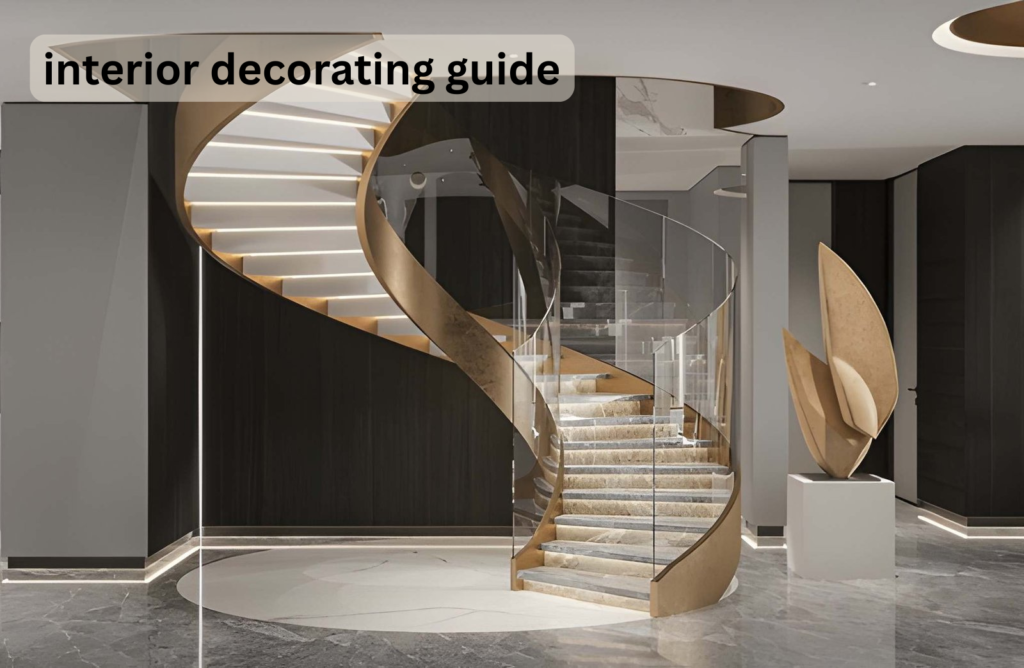
Walls shouldn’t feel packed, but they also shouldn’t be vacant.Choose art or photos that mean something to you. Personal items make a space feel real.
Hang items at eye level. This small detail improves how everything looks.Mirrors are useful in smaller room.
Some of the what interior doors are trending discussions also touch on wall design.These days, basic finishes and clean lines are fashionable.
Avoid filling every wall. Leave some space open. This helps the room feel calm.
An interior decorating manual should always remind you that walls are part of the design, not an afterthought.
Step 8 Bring in Natural Elements
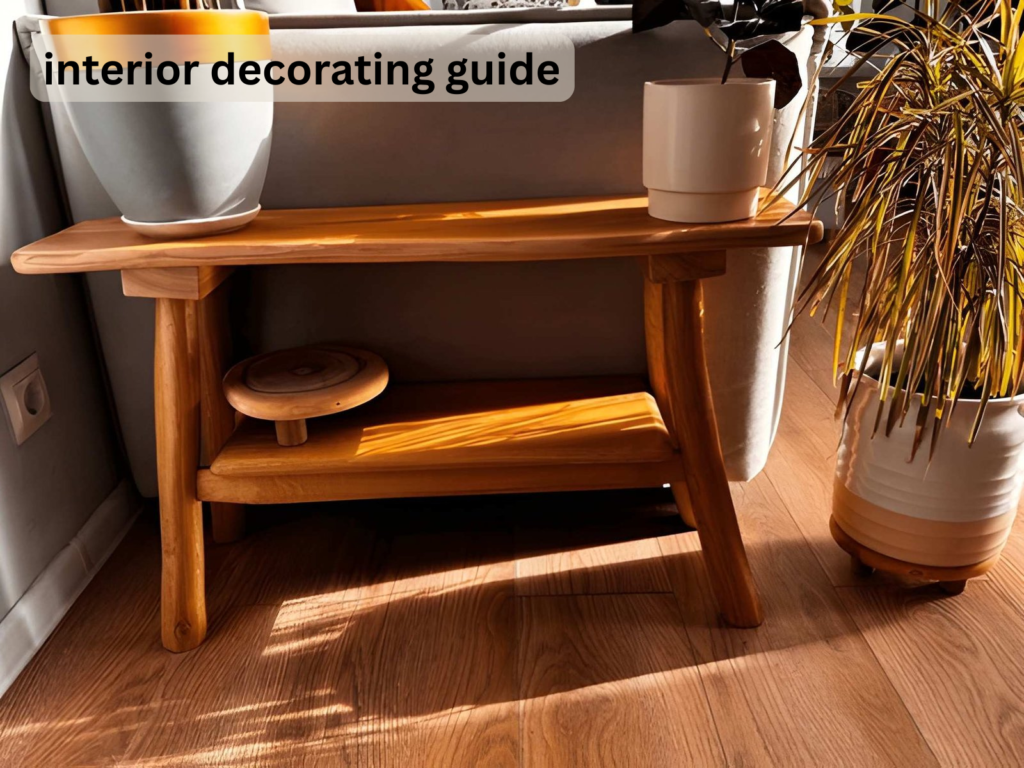
Nature adds balance to any space.
Plants are the easiest way to do this. Even one or two can change how a room feels. Choose low care plants if you are new to them.
Wood furniture or decor pieces also add warmth. Natural materials feel more relaxed than synthetic ones.
In many homes across the United States, there is a move toward simple, natural design. It feels calm and easy to maintain.
This step is often missing in basic home decoration ideas, but it makes a clear difference.
Keep it subtle. A few natural touches are enough.
Step 9 Keep Your Space Flexible Over Time
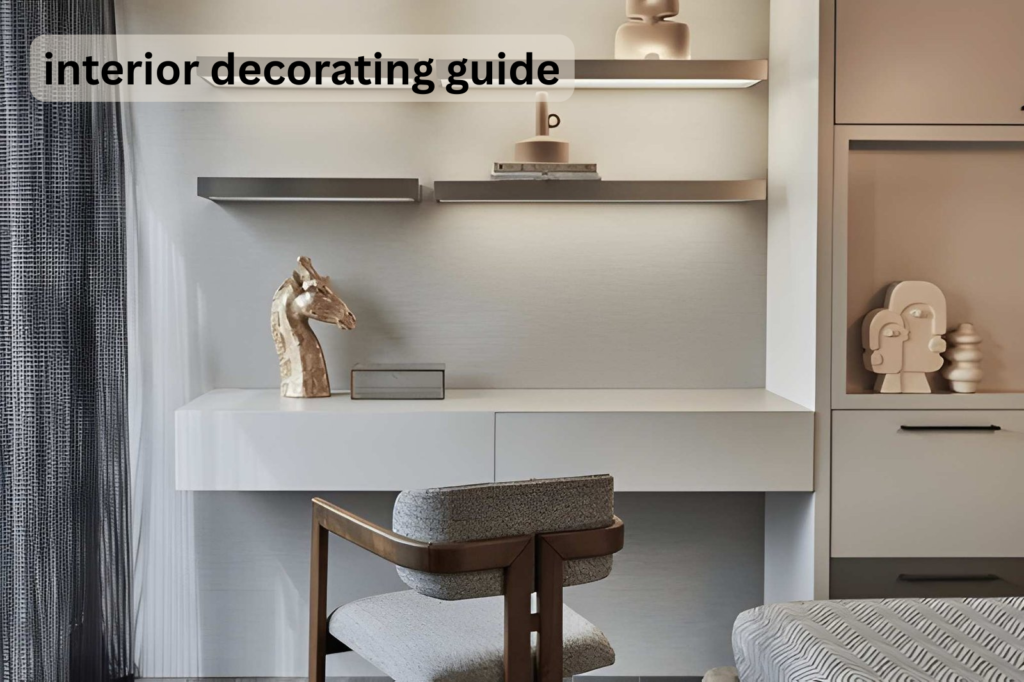
Your home should grow with you.Avoid locking yourself into one look. Trends change. Your needs change too.
Use small items to update your space. Pillows, art, and decor pieces are easy to replace.
A strong interior design guide focuses on long term comfort. Not short term trends.
Pay attention to what works and what does not.
Many people find that simple spaces last longer.They are simpler to live in and upgrade.
Conclusion
A well decorated home comes from clear choices, not complex rules. This interior decorating guide shows that the process can stay simple and practical.
Each step builds a space that feels comfortable and personal. You do not need perfect design skills. You need awareness of your space, your needs, and your style.
Take your time. Make small changes.Your house will eventually begin to naturally reflect who you are.
That is the goal of any good interior decorating guide. Not perfection, just a space that feels right every day.