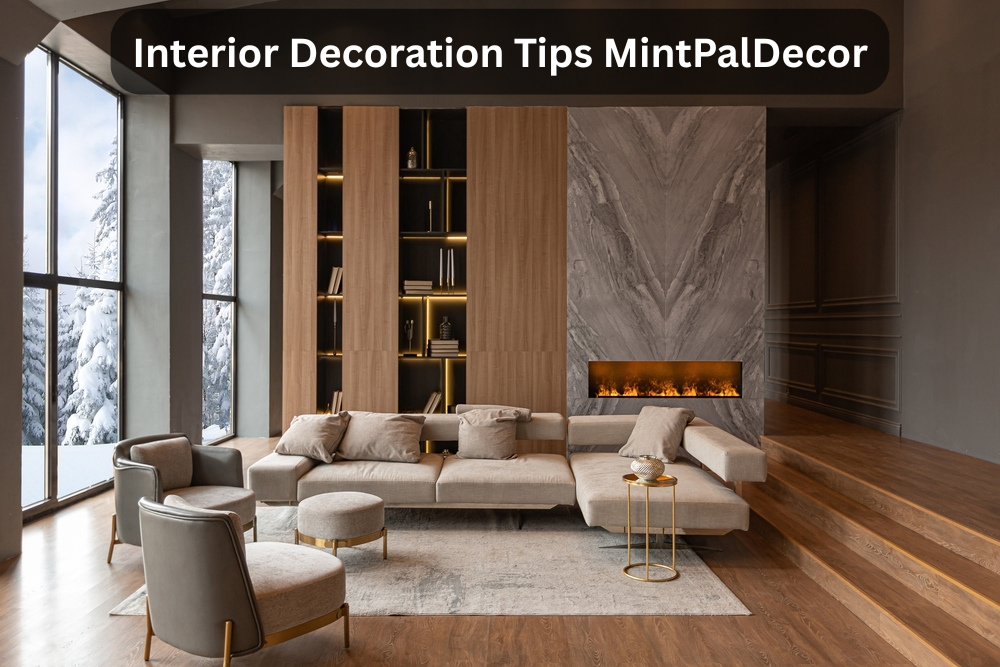
10 Expert Interior Design Tips MintPalDecor for a Modern Home

If you’ve stared at a room and known something was off but couldn’t name it, you’re not alone. Most Americans spend months decorating a home only to end up with spaces that feel assembled rather than designed. The difference usually comes down to a handful of Interior Design Tips professionals swear by — principles that expert designers apply on every project.

This guide covers 10 Interior Design Tips experts rely on to create modern homes that feel both intentional and livable. From proportion rules that stop furniture from fighting each other, to lighting strategies that make a $500 sofa look like a $5,000 one, these are practical moves you can apply this weekend. Whether you’re decorating a new build or refreshing rooms you’ve lived in for years, you’ll find specific, actionable advice here — not the usual “add a statement piece” filler. By the end, you’ll know exactly where to start and what order to work in.

What Do Interior Designers Do First — and Why Does It Matter?

interior design tips mintpaldecor

Before buying a single item, professionals define the room’s function and flow. At mintpaldecor, the first step is always a simple room audit: what does this space need to do, and who uses it daily?

That question shapes every decision that follows.

Start with this checklist before decorating any room:

StepActionWhy It Matters
1Measure the room (length, width, ceiling height)Prevents furniture that’s too big or too small
2Identify the room’s primary functionKeeps design choices purposeful
3Note natural light sources and directionInforms color and material choices
4List what you already own and loveSaves money, creates continuity
5Set a realistic budget by categoryPrevents overspending on one item while neglecting others

Tip 1: Anchor Every Room with a Clear Focal Point

interior design tips mintpaldecor

A room without a focal point makes the eye bounce around uncomfortably. Pick one — a fireplace, a large window, a statement wall — and arrange everything else to support it. If you want to to be better at interior design, this is where to begin: one anchor, everything else secondary.

Tip 2: The 60-30-10 Color Rule Removes All the Guessing

interior design tips mintpaldecor

This ratio works for virtually every room style:

Color RolePercentageExample
Dominant (walls, large furniture)60%Warm white, greige, navy
Secondary (accent chairs, rugs, curtains)30%Muted sage, terracotta
Accent (pillows, art, small décor)10%Mustard yellow, black, brass

Break this ratio and rooms feel either flat or chaotic. Stick to it and color basically solves itself.

Tip 3: Scale Is the Most Underestimated Variable

interior design tips mintpaldecor

A sofa that’s too small for a room looks cheap regardless of what it cost. A rug that doesn’t reach under the front legs of the furniture it anchors makes the whole seating area feel disconnected. Scale your pieces to the room, not to your preferences on the showroom floor.

General furniture sizing rules for US standard rooms:

  • Living room rug: front legs of all seating on the rug, minimum
  • Dining table: 36 inches of clearance on all sides
  • Bed: nightstands should be within 2–3 inches of mattress height
  • Art: center at 57–60 inches from the floor (average eye level)

Tip 4: Lighting Has Three Jobs — Most Rooms Only Do One

interior design tips mintpaldecor

Ambient (overhead), task (focused), and accent (decorative) lighting each do something different. Most American homes have ambient lighting and nothing else, which is why rooms feel flat at night. Add a floor lamp, a table lamp, and one piece of accent lighting — the room’s evening character changes completely.

Tip 5: Why Does Texture Matter More Than Color in Modern Interiors?

interior design tips mintpaldecor

Modern design often works in a narrow color palette, which means texture does the heavy lifting. A linen throw, a jute rug, a velvet cushion, and a ceramic vase can all be the same shade of cream and still create visual richness. According to decoration tips, mixing at least four textures in a neutral room prevents it from looking sterile.

Tip 6: Negative Space Is a Design Element, Not Wasted Space

interior design tips mintpaldecor

Every surface doesn’t need something on it. Breathing room between objects lets each piece read clearly. Overcrowded shelves and countertops make even expensive items look cluttered. A useful rule: remove 30% of what you have on a surface and see if the remaining pieces look better. They usually do.

Tip 7: How Do You Make a Small Room Feel Bigger Without Moving Walls?

interior design tips mintpaldecor

This is one of the most common questions in American home design, and the answers are more specific than “use mirrors.”

TechniqueEffectCost Level
Hang curtains close to the ceilingMakes windows — and the room — tallerLow
Use one large rug instead of several small onesUnifies the floor planeMedium
Choose furniture with exposed legsCreates visual floor spaceMedium
Paint the ceiling the same color as the wallsRemoves the “box” effectLow
Use vertical storageDraws the eye upLow–Medium

Tip 8: Buy One Good Piece Before Filling a Room

The most common decorating mistake is buying everything at once to “complete” a room. Instead, invest in one quality anchor piece — a well-made sofa, a solid wood dining table, a quality bed frame — and build around it over time. Rooms built this way feel curated. Rooms furnished all at once from the same store feel like floor displays.

Tip 9: Plants Are the Fastest Way to Make a Space Feel Lived In

A room with no plants can look staged. One or two plants — sized correctly for the space — add life that no accessory replicates. Large-leaf plants (fiddle leaf fig, monstera, bird of paradise) work well in living rooms. Smaller varieties (pothos, snake plant) suit shelves and bathrooms. For house decoration, the rule is simple: one plant per 100 square feet as a starting point.

Tip 10: Edit Relentlessly — Good Design Is Subtraction, Not Addition

The final and most counterintuitive Interior Design principle: the best-looking rooms have less in them than you think. Designers spend as much time removing things as adding them. Walk through your space and ask what earns its place. If an item doesn’t contribute to function or the visual story of the room, it belongs somewhere else.

Quick-Reference: Interior Design Tips at a Glance

TipCore PrincipleDifficulty
1. Focal PointOne anchor per roomEasy
2. 60-30-10 ColorStructured color ratioEasy
3. ScaleRight-size everythingMedium
4. Three-Layer LightingAmbient + task + accentMedium
5. Texture Over ColorMix materials in neutral roomsEasy
6. Negative SpaceLess is moreEasy
7. Small Room TricksVertical thinkingEasy–Medium
8. One Good Piece FirstQuality anchor, then buildMedium
9. PlantsOne per 100 sq ftEasy
10. Edit RuthlesslySubtraction = sophisticationHard

Frequently Asked Questions

What is the most important Interior Design Tips for a modern home?

Scale. A room with well-proportioned furniture — even inexpensive pieces — looks more designed than a room with mismatched sizes regardless of budget. Get the scale right before worrying about color or style.

How many colors should a room have? 

Three, following the 60-30-10 ratio. One dominant color, one secondary, one accent. Modern rooms often run the dominant color all the way to 70% and keep the accent minimal.

What’s the fastest way to improve a room without redecorating? 

Fix the lighting. Add a floor lamp and a table lamp to a room that only has overhead lighting. The difference at night is significant.

Do I need a professional interior designer for a modern home? 

No — but understanding basic principles matters. The Design Tips outlined here cover the same fundamentals professionals apply. Start with scale, lighting, and the 60-30-10 color rule, and most rooms improve substantially.

How do I choose a rug size? 

In a living room, the rug should sit under the front legs of all seating. In a dining room, the rug should extend at least 24 inches beyond the table on all sides so chairs remain on it when pulled out.

What makes a room feel modern without being cold? 

Texture. Modern design uses a restrained color palette, but warmth comes from layering materials — linen, wood, ceramic, natural fiber. A monochrome room with five textures feels warm. A colorful room with one texture (everything smooth and shiny) feels clinical.


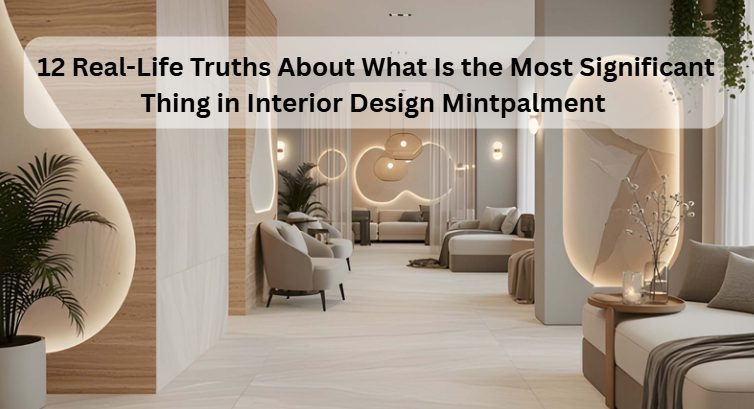
12 Real-Life Truths About What Is the Most Significant Thing in Interior Design Mintpalment

Various individuals think interior layout is only about beauty. Some believe it is about furniture, while others think color matters most. However when individuals tell what is the most important thing in interior design mintpalment, the best reply is much better. Interior design is about daily life. It is about how a space makes you feel when you wake up, sit, walk, or rest. A good interior does not shout. It quietly supports comfort, ease, and peace. You do not need luxury to create a good space. You need understanding, balance, and patience.

1. Knowing Your Space Changes Everything

Each space has a purpose. Before decor, it is significant to know how the room is used. Look at the room size, shape, and light. Understanding how individuals move inside it. A space must allow simple walking & sitting. Too much furniture can make it feel heavy.

This is why themost important thing in interior design mintpalment often begins with room awareness. When space is respected, the room feels open and calm. Even small homes feel better when space is not forced. Empty space gives the eyes and mind a break.

2. Comfort Is More Important Than Trends

Trends come and go. Comfort stays. A chair that looks good but hurts your back is not useful. A bedroom that appears beautiful but disturbs sleep is not the best layout. Interior design should support the body.

Many people forget this while decorating. However, what is the most important thing in interior design mintpalment is comfortable that best each day. A home is not made for photos. It is made for living. Comfortable spaces reduce stress and improve mood without effort.

3. Light Creates Mood and Balance

Bright has the best effect on how a space feels. Natural light brings freshness and energy. Dark rooms often feel sad or heavy. Windows should stay open during the day. Curtains should allow sunlight to enter.

At night, soft lighting works best. Very bright lights can feel harsh. Lamps and warm bulbs create a peaceful feeling. What is the most important thing in interior design mintpalment including simple because beautiful affects emotions, focus, & rest. A simple room with good lighting always feels better.

4. Colors Should Calm the Mind

Colors talk to the mind. Loud colors can make people feel tired. Soft colors help people relax. Beautiful colors bring balance & clarity. Light shades are trendy used in little amounts.

Walls must supporting calm thinking. You can add shades through cushions, carpet, and art. Many people rush color choices and regret later. what is the most important thing in interior design mintpalment is selecting shades that suit the space purpose, not fashion.

5. Function Keeps a Home Organized

A beautiful room that does not work well creates stress. Storage is very important. When things have no place, rooms look messy. Shelves, drawers, and cupboards help keep order.

Furniture should not block doors or walkways. Daily movement should feel easy. what is the most important thing in interior design mintpalment is function before decoration. When a room works well, it automatically feels peaceful and controlled.

6. Learning From Small Home Improvements

Interior design improves with learning. Small changes teach big lessons. Reading about home upgrades mintpalment helps people understand how simple upgrades improve comfort. These ideas focus on daily life, not luxury. Slow learning builds confidence. You don’t want to change all thing at once. Interior design grows step by step when knowledge increases.

7. Good Advice Prevents Mistakes

Many mistakes happen because of rushed decisions. Following home upgrading advice mintpalment helps avoid confusion and wasted money. Thoughtful advice helps people understand what works and what does not. Interior design is not guessing. It is planned. Learning from experience makes future choices easier and smarter.

8. Inspiration Helps the Mind Visualize

Sometimes people know what they want but cannot explain it. Visual inspiration helps. Platforms like mintpaldecor help people see balance, spacing, and color harmony. Seeing real spaces builds understanding. Inspiration does not mean copying. It means learning how elements work together.

9. Upgrading Slowly Brings Better Results

Fast changes often lead to regret. Slow and steady home upgrading mintpalment allows time to think and adjust. Living in a space helps identify real needs. Interior design should grow with life. Small changes over time feel more natural and lasting.

10. Skills Improve With Practice

Interior design is a skill, not a natural gift. Understanding how to be better at interior design mintpaldecor assist individuals create best choices. With practice, confidence grows slowly and naturally. Each decision teaches a small lesson about space, color, or comfort. Mistakes are normal and helpful. They show what works and what does not. With time and patience, skills improve and design choices become easier.

11. Interest Makes Design Enjoyable

When people understand why interior design is interesting mintpaldecor, they enjoy the process more. Interior design is creative problem-solving. It mixes comfort, function, and beauty. Interest keeps people patient and curious. Enjoyment leads to better results.

12. Small Tips Create Big Change

Simple interior decoration tips mintpaldecor help improve a space without pressure or stress. Small changes like moving furniture, adjusting lights, or choosing softer colors can change how a room feels. You do not need big plans or costly items. Even minor updates make a home feel fresh and comfortable. Interior layout is not concerning adding much things. It is about making better choices that support daily life.

Conclusion

So, what is the most important thing in interior design mintpalment is not single rule. It is balance. It is comfort, function, light, and honesty working together. A good interior supports daily life quietly. It does not try to impress. It tries to care. When design decisions are simple and thoughtful, the home feels peaceful. Interior layout is not about perfectionist. It is about feeling correct, all single day.

Top 8 Latest Decoration Trends MintPalDecor at Homes 2026

American homes in 2026 don’t look like they did three years ago — and honestly, that’s a good thing. The cold, sparse, Instagram-perfect interiors that dominated the early 2020s are out. What’s replacing them is warmer, more personal, and far more livable.

At MintPalDecor, we’ve tracked what’s actually happening inside real US homes this year — not just what’s trending on Pinterest boards, but what homeowners are committing to with their budgets and their walls. The latest decoration trends has identified for 2026 share one common thread: spaces should feel lived in, not staged.In this guide, we cover the 8 biggest decoration trends reshaping American interiors right now — with practical tips, a quick-reference comparison table, and honest insight on what’s worth your money and what isn’t.

latest decoration trends mintpaldecor

Quick Reference: 2026 latest decoration trends

#TrendBest RoomEffort LevelBudget Range
1Biophilic DesignLiving Room / BedroomMedium$200–$2,000+
2Warm MinimalismAny RoomLow–Medium$100–$800
3Curved FurnitureLiving RoomLow$300–$3,000
4Quiet MaximalismBedroom / StudyMedium–High$500–$5,000
5Earthy Color PalettesAny RoomLow$50–$600
6Modern HeritageDining / LivingHigh$1,000–$8,000
7Smart-Integrated DecorKitchen / OfficeMedium$200–$3,000
8Wellness SpacesBathroom / Spare RoomMedium–High$500–$4,000
latest decoration trends mintpaldecor

1. Biophilic Design — Bringing the Outside In

Biophilic design in 2026 has moved well past a few potted plants on a shelf. Today it means living walls, natural light strategies, raw stone finishes, and organic textures that make a room feel connected to the outdoors year-round.

Deep greens, hand-troweled plaster, raw oak, and indoor water features are showing up in living rooms and bedrooms across the country. If you want to understand interior design, biophilic layering is the single skill that pays off most in 2026.Quick tip: Start with linen curtains, a textured jute rug, and one large-leafed plant. The effect is immediate and costs under $300.

latest decoration trends mintpaldecor

2. Warm Minimalism — Calm Without Emptiness

Cold grey minimalism had a long run. It’s done. What’s replacing it is a softer, warmer version — neutral tones grounded in cream, sand, and warm white, with real texture doing the visual work instead of clutter.The key difference from the old minimalism is that warm minimalism allows personality. A handmade ceramic bowl on the counter, a stack of well-worn books, one piece of art with emotional weight — these things belong here. The room breathes, but it doesn’t feel empty.

latest decoration trends mintpaldecor

3. Curved Furniture — Soft Shapes, Better Rooms

Sharp-edged furniture is actively uncomfortable to be around — and designers are finally admitting it. Rounded sofas, curved coffee tables, arched shelving, and sculptural accent chairs are now mainstream across US homes, not just design showrooms.

The practical reason curved pieces work so well in 2026 is their flexibility. A rounded sectional softens an open floor plan. An arched doorframe transforms a builder-grade hallway. These shapes require no renovation — just a swap.

latest decoration trends mintpaldecor

4. Quiet Maximalism — Bold but Intentional

Maximalism used to mean excess. The 2026 version is more edited: rich layering of textiles, collected objects, and meaningful art — but nothing random, nothing just for the sake of fullness.Think velvet cushions in deep jewel tones stacked on a curved sofa, gallery walls that tell a real story, shelves organized with genuine intention. This is among the most discussed latest decoration trends covers because it rewards homeowners who want character without chaos.

latest decoration trends mintpaldecor

5. Earthy Color Palettes — The New Neutrals

Grey is retired. The color story of 2026 centers on deep chocolate brown, warm terracotta, forest green, rich caramel, and soft sage. These tones work together in a way cool palettes never quite managed — they make rooms feel grounded, cozy, and genuinely warm.

ColorBest Used OnPairs Well With
TerracottaAccent walls, throw pillowsCream, off-white, warm wood
Forest GreenCabinetry, upholsteryGold hardware, natural oak
Chocolate BrownSofas, area rugsSage, linen, brass accents
Warm CaramelWooden furniture, floorsDeep green, navy, stone
Soft SageBedroom walls, ceramicsWhite, terracotta, warm grey

For interior tips always recommends starting your color story from one anchor piece — a rug, a sofa, or a piece of art — and building outward from there.

latest decoration trends mintpaldecor

6. Modern Heritage — Old Craft, New Spaces

This is the trend most US homeowners aren’t talking about yet, but will be by fall 2026. Modern heritage design blends handcrafted furniture, vintage-inspired textiles, antique lighting, and heirloom-quality materials with clean modern lines.It’s not farmhouse. It’s not traditional. It’s the aesthetic you get when someone genuinely collects things they love over time, rather than decorating a room all at once. For decoration advice suggests, one or two genuinely old pieces — a vintage lamp, a reclaimed wood side table — do more work than an entire showroom set.

latest decoration trends mintpaldecor

7. Smart-Integrated Decor — Tech That Disappears

Smart home technology in 2026 has finally figured out how to stay out of the way. Hidden speakers, lighting systems built into architectural details, and discreet control panels that blend into cabinetry are replacing the gadget-on-display aesthetic that made early smart homes feel clinical.

The best home improvement projects this year treat smart tech the same way good plumbing works: you shouldn’t see it, but you should feel it every day.

8. Wellness Spaces — Rooms Designed to Restore You

The final trend is also the one with the longest legs. American homeowners are carving out dedicated wellness spaces — not necessarily full meditation rooms, but intentional corners: a reading nook with blackout curtains and warm lighting, a bathroom redone with spa-grade fixtures and stone textures, a spare room converted into a yoga and stretching area.

The defining feature of 2026 wellness design is absence of screen pressure. These spaces are explicitly designed to be away from notifications, work surfaces, and overhead fluorescent light.

What Makes These Trends Worth Following in 2026

The trends tracks aren’t arbitrary seasonal rotations. Every trend on this list points toward the same goal: homes that feel genuinely comfortable to be inside, built around the people who live there rather than the people who might photograph them.

That shift — from display to dwelling — is why these trends will outlast the typical 18-month trend cycle.

FAQ: latest decoration trends 2026

What is the biggest home decoration trend in 2026?
Biophilic design and warm minimalism are the two dominant forces in 2026 US home decor, both centered on natural materials, earthy tones, and spaces that feel connected to the outdoors.

What colors are trending in home decor for 2026?
Terracotta, forest green, warm caramel, chocolate brown, and soft sage have replaced the cool greys and stark whites of previous years.

Is minimalism still popular in 2026?
Yes, but in a warmer, more textured form. Cold, stark minimalism has been replaced by warm minimalism, which uses natural materials and personal objects to add life without clutter.

What is quiet maximalism?
Quiet maximalism is intentional layering — rich colors, collected objects, and meaningful art — organized with purpose rather than just accumulated.

Final Thoughts

If there’s one thing 2026 makes clear, it’s that home design has stopped being about appearances and started being about how a space actually feels to live in. That’s not a small shift — it changes every decision, from the paint color you pick to the sofa you spend six months saving for. Part of interior design keeps exploring it: a well-designed room doesn’t just look better, it changes how you sleep, how you work, how you feel at the end of a long day. That’s real. And the latest decoration trends has covered here all point in the same direction — toward homes built around people, not photographs.
10+ Expert Interior Decoration Advice MintPalDecor Recommends for 2026

Post-2020, how Americans actually live changed. More people work from home. More rooms serve double or triple duty. Kids do homework in kitchens. Adults take calls in bedrooms. And yet most decoration guides still treat the living room as a showpiece and the home office as an afterthought.

That gap is exactly what this article addresses. The interior decoration advice puts forward for 2026 is built around how American homes function today — not how they looked in a design magazine five years ago. You’ll find honest guidance on multi-use spaces, the psychology of color in rooms you actually spend time in, what decoration choices hold up over years (not just seasons), and the small moves that change how a space feels without changing your budget. No trend-chasing.

Is Your Room Actually Designed for How You Use It?

interior decoration advice mintpaldecor

This is the question most decoration guides skip entirely. Before color, before furniture, before anything visual — ask what the room does.

A living room that doubles as a home office needs acoustic separation, even if it’s just a bookshelf between zones. A bedroom that’s also a reading room needs task lighting that doesn’t wake a sleeping partner. A kitchen where kids do homework needs surfaces that clean easily and storage that closes.

Room function audit — ask this before you buy anything:

RoomPrimary UseSecondary Use (Common in 2026)What Changes Because of It
Living RoomRelaxing, socializingVideo calls, remote workNeed a camera-ready background zone
BedroomSleepingReading, scrolling, decompressingTask lighting separate from ambient light
KitchenCookingHomework, family gatheringsMore surface area, better seating
Dining RoomEatingBoard games, crafts, WFH overflowStorage for non-dining items built in
Home OfficeWorkExercise, hobbiesFlexible furniture, easy to clear

Design for both uses. Not one.

Does Your Color Choice Actually Affect How Long You Stay in a Room?

interior decoration advice mintpaldecor

Yes, and more directly than most people realize. This is where interior decoration advice departs from the usual “warm tones feel cozy” generalities.

Environmental psychology research consistently shows that people spend more time in rooms painted in mid-tone, slightly saturated colors — think dusty sage, warm terracotta, muted teal — compared to rooms in stark white or very dark tones. Bright white increases activity and alertness. Deep colors create intimacy but can feel claustrophobic in small rooms with low natural light.

The practical takeaway: match color intensity to what you want to feel in that room.

  • High energy needed (home gym, kitchen): clean whites, warm yellows, light coral
  • Sustained focus needed (office, reading nook): muted greens, slate blues, soft greys
  • Wind-down needed (bedroom, bathroom): dusty lavender, warm greige, sage
  • Conversation and connection (dining room, living room): terracotta, warm amber, forest green

This isn’t aesthetic preference — it’s how your nervous system responds to color. Picking a paint color because it looks good in photos is decoration. Picking one because it changes how you feel in the room is design.

What Nobody Tells You About Furniture That “Goes Together”

interior decoration advice mintpaldecor

Matching furniture sets are a trap. They look complete in a showroom. In a home, they look like the floor model is still on display.

The rooms that read as considered — the ones that feel like someone actually lives there — mix periods, materials, and scales. A mid-century wood credenza with a contemporary sofa. A vintage lamp on a clean modern side table. The mix signals curation, not catalog shopping.

Two rules that make mixing work:

  1. Anchor with one material. If you mix everything, the room reads as random. Pick one material — warm wood, matte metal, natural linen — and repeat it in at least three places. That thread ties mismatched pieces together.
  2. Match visual weight, not style. A heavy, dark sofa needs equally substantial pieces nearby. A delicate side table next to it looks lost. Match how heavy things look, not what era they’re from.

For more on building a room that holds together over time, explore the decoration guide to cohesive design.

The Decoration Decisions That Age Well vs. the Ones That Don’t

interior decoration advice mintpaldecor

Some choices you’ll still love in ten years. Others will feel dated in three. The difference isn’t about being conservative — it’s about knowing which category each decision falls into.

Decision TypeAges WellDates Quickly
Sofa colorWarm neutrals, earthy tonesTrendy colors (millennial pink, Gen Z yellow)
Rug patternGeometric, botanical, Persian-inspiredVery literal prints (specific animals, phrases)
Hardware finishBrushed brass, matte black, satin nickelPolished chrome, rose gold (already fading)
Lighting fixtureSimple shapes, natural materialsOverly sculptural, style-specific pieces
TileSubway, zellige, plain stoneVery graphic, high-pattern accent tiles
Wall treatmentLimewash, plaster texture, matte paintAccent wall wallpaper in bold prints

Invest in what ages well. Spend less on what dates quickly and change it when it does.

Why Are So Many Beautifully Decorated Rooms Uncomfortable to Sit In?

interior decoration advice mintpaldecor

Because decoration got prioritized over livability. This happens more often than anyone admits.

A room that photographs beautifully but has nowhere to put a drink, seating that’s too stiff to stay in for more than 20 minutes, lighting that’s too dim to actually read by — that’s a styled room, not a designed one. The interior decoration advice returns to consistently: a room fails if people don’t want to spend time in it, regardless of how good it looks.

Test this practically. Sit in your room for an hour. Invite someone over. See where they naturally gravitate, what they reach for, what feels awkward. The room will tell you what’s missing. Mintpaldecor covers livability-first design across every room type if you want to go deeper on this principle.

Which 2026 interior decoration advice Are Worth Following — and Which Aren’t?

interior decoration advice mintpaldecor

Not all trends deserve your money. Here’s an honest breakdown:

Worth following:

  • Integrated storage that disappears into walls — solves real clutter problems
  • Natural material layering (linen, rattan, stone, raw wood) — looks good and ages well
  • Warm-toned lighting everywhere — LEDs now come in 2200K, and the difference is real
  • Dual-purpose rooms with intentional zone separation — reflects how people actually live

Skip for now:

  • Curved furniture as a primary layout choice — impractical in most average-sized rooms
  • Maximalist gallery walls — easy to get wrong, hard to update
  • All-plaster accent walls — labor-intensive, and the DIY versions rarely hold up

Frequently Asked Questions

interior decoration advice mintpaldecor

What is the single most impactful interior decoration change for under $200?

Swap your light bulbs to warm-toned LEDs (2700K or lower) and add one dimmer switch. Lighting changes how every other element in the room looks. It’s the highest-return low-cost change in decoration.

How do you make a small room feel bigger without knocking down walls? 

Three things work reliably: paint the ceiling the same color as the walls (removes the visual “lid”), use furniture with exposed legs (floor visibility reads as space), and place a large mirror perpendicular to the main window to bounce natural light deeper into the room.

Is it worth hiring an interior designer for a single room?For a bedroom or living room, a two-hour consultation with a local designer — typically $150 to $300 — often pays for itself in avoided mistakes. You don’t need full-service design. A second set of trained eyes on your specific space and light conditions is genuinely useful.

interior decoration advice mintpaldecor

What’s the most common mistake in a first apartment or home? 

Buying everything at once to fill the space quickly. Rooms that feel good usually developed over time. Leave some things empty. Live in the space for a few months before filling every corner.

Does the order in which you decorate a room matter? 

Yes. Structural decisions first (wall color, flooring, major furniture placement), then lighting, then textiles, then accessories. Doing it in reverse — starting with decorative objects — is how you end up with a room that feels mismatched and hard to fix.

The Real Point

interior decoration advice mintpaldecor

The best decoration trends can give for 2026 isn’t a list of trends. It’s a shift in how you think about decoration — from visual to functional, from catalog to curated, from what looks good in a photo to what makes a room worth being in.

Get that right and the specific choices almost take care of themselves.

A Practical Guide to Upgrading Windows and Doors for Comfort, Efficiency, and Long-Term Value

Windows

Windows and doors do more than frame a view or match your exterior style. They control drafts, indoor comfort, noise, and even how hard your HVAC system has to work. If your home feels chilly near the glass in winter, too warm in certain rooms in summer, or you constantly wipe condensation off the inside of panes, your openings are sending you signals.

If you are researching options and want a clear sense of what a proper upgrade process looks like, this page about Professional Window Replacement Services in Woodbridge is a helpful reference point for understanding typical replacement considerations without needing to treat it like a sales pitch. Use it as a checklist for what you should expect from any reputable provider.

Below is a homeowner-friendly framework to help you choose improvements that actually move the needle on comfort and performance, not just appearance.

Start with the symptoms, not the style

A lot of people begin with “I want black frames” or “I want bigger glass,” but the best upgrades start with what your home is doing today. Walk room by room and note:

  • Drafts near frames or sills (often tied to air leakage, worn weatherstripping, or poor installation details)
  • Cold glass and uncomfortable “radiant chill” when you sit nearby
  • Condensation or frost on the interior during cold snaps
  • Sticking doors, hard-to-lock handles, or rubbing sashes
  • Outdoor noise that feels louder than it should

These symptoms help narrow the solution. For example, condensation might point to high indoor humidity, a thermal bridge, or failed sealed units, not simply “old windows.”

Understand performance basics that matter in real life

Product labels can feel like alphabet soup, so focus on the few factors that influence comfort in a Canadian climate.

Glass package (double vs triple pane):
Triple-pane glass can noticeably improve comfort near windows in winter, especially in bedrooms and north-facing rooms. Double pane can still perform well, but the best choice depends on exposure, room use, and budget.

Low-E coatings and gas fills:
Low-E coatings reduce heat transfer through the glass. Gas fills (often argon) slow down conductive heat loss. Together, they can reduce cold spots and help maintain steadier indoor temperatures.

Air leakage:
Even great glass will underperform if air sneaks around the frame. A tight unit with good sealing and correct installation often feels “quieter” and more comfortable because drafts disappear.

Spacer technology:
The edge of glass is a common weak point. Better spacers can reduce the risk of cold-edge condensation and improve durability.

If you remember one thing, make it this: the best window on paper can still disappoint if it is installed poorly.

Pay special attention to doors because they fail differently

Doors take more abuse than windows. They are opened, closed, kicked by slush-covered boots, baked by sun, and slammed by wind. When doors underperform, you often notice it as:

  • A cold draft at the bottom
  • Light visible around the weatherstripping
  • A deadbolt that suddenly misaligns
  • Water staining near the threshold

For entry doors, prioritize a strong core, a well-designed threshold, and quality weatherstripping. For patio doors, focus on smooth operation, reliable locks, and proper water management at the sill. Many comfort complaints come from the bottom 2 inches of a door system, not the slab itself.

Installation quality is where comfort is won or lost

Homeowners often compare frame materials and glass options while overlooking the bigger driver of satisfaction: the install details. A solid installation should address:

Air sealing:
A continuous air seal around the opening helps stop drafts. This is not just about stuffing insulation into gaps. The goal is controlled, durable sealing that does not shrink or crack over time.

Insulation around the frame:
Proper insulation reduces cold spots and helps prevent condensation risk at the perimeter.

Water management:
Good installs manage water like a roof does: assume water can get in, then provide a path for it to get out safely. Flashing and sill details matter, especially in wind-driven rain.

Interior finishing:
Neat trim is nice, but it is also a chance to confirm that gaps are sealed, corners are tight, and the opening is stable.

If you are comparing quotes, ask what steps are taken to address air sealing and water management, not just what brand is being installed.

Choose upgrades strategically with a “comfort map”

Not every opening has equal impact. A smart approach is to prioritize:

  1. Rooms you use the most (living room, primary bedroom, kitchen)
  2. Problem exposures (north-facing cold rooms, west-facing overheating)
  3. Openings with visible moisture issues (condensation, staining, deteriorating sills)
  4. Main entry and patio doors (security, drafts, daily use)

This way, even if you phase the project, each step delivers a noticeable improvement.

Condensation is a clue, so treat it like one

Interior condensation is common during cold weather, but it should not be ignored. It can signal:

  • High indoor humidity from showers, cooking, or humidifiers
  • Weak insulation at the window edge or frame
  • Poor airflow near the glass due to heavy drapes or blocked vents
  • Sealed unit failure (fogging between panes is the giveaway)

A window upgrade can reduce condensation risk by improving surface temperatures, but it will not fix an oversized humidifier or consistently high indoor moisture on its own. Pair upgrades with practical habits like using bath fans, running range hoods, and keeping air moving near the glass.

Sound control is more than “thicker glass”

If road noise or neighbours are your main complaint, look beyond triple pane as a catch-all solution. Effective sound control often comes from a combination of:

  • Better air sealing (gaps leak sound as much as air)
  • Laminated glass options in key rooms
  • Slightly different glass thicknesses to disrupt vibration patterns
  • Upgraded door seals and thresholds

Noise reduction is very noticeable when air leakage is reduced, so again, installation and sealing details carry a lot of weight.

Security and daily usability should be part of the decision

Windows and doors influence how secure your home feels, but also how smoothly it functions. Consider:

  • Multi-point locks for patio doors when appropriate
  • Hardware that feels solid and aligns easily
  • Night latches and secure strike plates for entry doors
  • Egress requirements for bedrooms if you are changing sizes or styles

Usability matters. A window that is hard to open will not get used for ventilation, and a sticky patio door will eventually get forced, which shortens its life.

Make maintenance easy for future you

The best upgrade is the one you can live with easily. Before you commit, think about:

  • How you will clean exterior glass on upper floors
  • Whether the window style suits your ventilation habits
  • How resistant the finish is to fading on sunny exposures
  • What the warranty covers for hardware and sealed units

Small choices here reduce frustration for years.

A simple checklist before you sign anything

Use this as a practical wrap-up:

  • Do you know which rooms and exposures matter most for comfort?
  • Are you comparing real performance factors, not just frame material?
  • Have you asked how air sealing and water management will be handled?
  • Do doors include a plan for thresholds, weatherstripping, and alignment?
  • Have condensation and humidity been considered, not ignored?
  • Is the project scoped to reduce risk, especially if you are phasing upgrades?

When windows and doors are chosen with the home’s symptoms in mind and installed with care, the payoff is immediate: fewer drafts, more even temperatures, quieter rooms, and a home that simply feels easier to live in.

Elevating Everyday Living: Thoughtful Home Renovation Strategies

Home Renovation

In the heart of every Canadian home lies a story waiting to be rewritten. Whether it’s the creak of an aging floorboard or the dim glow of an outdated fixture, our living spaces whisper reminders of time’s passage. Yet, with a surge in homeowners choosing to invest in their current properties rather than chase new listings, renovations have become more than mere updates. They are acts of intention, transforming houses into havens that reflect our evolving lives. As families grow, work-from-home setups persist, and sustainability takes center stage, the call for smarter, more meaningful home improvements grows louder. This guide dives into strategies that not only refresh your space but also enhance its functionality and joy for years to come.

Kitchens often serve as the bustling core of family life, where meals are shared and memories forged. When embarking on updates here, turning to trusted kitchen remodeling professionals ensures that your vision aligns seamlessly with practical execution, blending aesthetics with enduring quality.

Mastering the Art of Planning

Effective home renovations begin long before the first hammer swings. Start with a clear vision: What pains your current layout? Is it the cramped hallway that bottlenecks morning rushes or the underutilized corner begging for purpose? Sketch rough ideas or use free digital tools to map out possibilities. Involve your household early; a shared wishlist prevents mid-project regrets.

Budgeting demands honesty. Allocate 10 to 20 percent as a contingency for surprises like hidden wiring issues. Prioritize high-impact areas: A fresh coat of paint can cost under $500 yet yield a 100 percent return in perceived value, while structural changes like opening walls might run $2,000 to $5,000 but redefine flow. Track expenses with simple apps that categorize spends, keeping you grounded amid the excitement.

Permits and codes are non-negotiable, especially in provinces with stringent building standards. Consult local bylaws via municipal websites to avoid fines that could derail your timeline. For instance, electrical upgrades must comply with the Canadian Electrical Code, ensuring safety without excess cost.

Embracing Sustainable Choices

Sustainability isn’t a buzzword; it’s a blueprint for resilient living. With Canada’s commitment to net-zero emissions by 2050, eco-friendly renovations reduce your carbon footprint while trimming utility bills. Opt for low-VOC paints that emit fewer toxins, improving indoor air quality for allergy-prone families. Reclaimed wood for flooring or cabinetry adds character and diverts waste from landfills, often at competitive prices through local salvage yards.

Energy efficiency pays dividends. Insulate attics and walls with blown-in cellulose, which boasts an R-value up to 3.7 per inch, far surpassing traditional fiberglass. Pair this with Energy Star-rated windows, which can slash heating costs by 12 percent in colder climates. Solar-ready roofing, even if not fully installed now, future-proofs your home against rising energy prices.

Water conservation matters too. Low-flow fixtures in bathrooms cut usage by 30 percent without sacrificing pressure. Native landscaping around entryways minimizes irrigation needs, fostering biodiversity in urban yards. These choices not only align with federal incentives like the Canada Greener Homes Grant but also appeal to eco-conscious buyers if you ever sell.

Recent data underscores this shift: In 2024, renovations accounted for 56 percent of all residential investment in Canada, totaling $103 billion, outpacing new construction as homeowners prioritize upgrades over relocations. This trend reflects a broader “renovate rather than relocate” mindset, with projections for 2025 estimating $61 billion in spending, supporting over 526,000 jobs nationwide.

Integrating Smart Technology

Gone are the days of static homes. Smart integrations elevate renovations from cosmetic to connective. Nestled thermostats learn your routines, adjusting temperatures to save up to 15 percent on energy. Voice-activated lighting systems, like Philips Hue, allow dimming via app or command, fostering ambiance for quiet evenings.

In living areas, consider built-in charging stations disguised as sleek outlets, eliminating cord clutter. Home theaters with recessed speakers and motorized screens turn spare rooms into cinematic retreats, ideal for movie nights under Canadian winters. Security upgrades, such as ring doorbells with motion alerts, provide peace of mind without invasive overhauls.

For multi-level homes, smart elevators or stair assists cater to aging-in-place needs, a growing priority as baby boomers settle into forever homes. These tech touches, starting at $200 per fixture, blend invisibly into designs, enhancing usability without overwhelming budgets.

Blending Indoor and Outdoor Realms

The line between inside and out blurs in thoughtful renovations, especially in Canada’s varied climates. Expand patios with weather-resistant composite decking that withstands freeze-thaw cycles, creating seamless transitions from kitchen sliders to al fresco dining. Vertical gardens on exterior walls purify air and soften urban facades, using drought-tolerant perennials suited to regional hardiness zones.

Interior courtyards or sunrooms, glazed with triple-pane glass, invite natural light year-round while buffering against drafts. In prairie provinces, earth-sheltered designs bury walls partially for thermal mass, stabilizing temperatures naturally. These extensions boost square footage affordably, often under $150 per square foot, and foster wellness through biophilic connections.

Boosting Functionality in Key Spaces

Tailor renovations to daily rhythms. Bedrooms benefit from custom built-ins: Murphy beds fold away for dual-purpose guest rooms, maximizing floor space in compact bungalows. Closets with pull-out organizers streamline mornings, reducing stress in fast-paced households.

Home offices demand acoustic panels to dampen echoes, paired with ergonomic heights for video calls. Kitchens thrive on ergonomic triangles, positioning sink, stove, and fridge within efficient loops. Bathrooms evolve with heated floors and rain showers, turning routines into rituals.

For growing families, flexible zones shine. Movable partitions in great rooms adapt from play areas to study nooks, using lightweight frosted glass for privacy without isolation. These adaptations ensure spaces scale with life stages, from toddler chaos to teen independence.

Navigating Challenges with Grace

Renovations test patience, but foresight smooths the path. Dust containment with plastic sheeting and air purifiers preserves health during demo phases. Communicate timelines with neighbors to maintain goodwill, particularly in close-knit communities.

Hire vetted tradespeople through references or licensed directories, verifying insurance to shield against liabilities. Phased approaches, like tackling one floor at a time, minimize disruption, allowing normalcy amid progress.

Emotionally, view the mess as metamorphosis. Journal progress photos to celebrate milestones, reinforcing that temporary chaos yields lasting harmony.

The Lasting Rewards

Home renovations transcend bricks and mortar; they sculpt sanctuaries that nurture body, mind, and spirit. By planning meticulously, choosing sustainably, weaving in tech, and honoring flow, you craft environments that evolve with you. In a nation where 94 percent of homeowners plan to stay put, investing in these upgrades isn’t just wise—it’s transformative. Your home becomes a testament to intention, a space where comfort meets creativity.

As seasons shift and needs change, revisit your design with fresh eyes. Perhaps that unused attic calls for conversion, or the backyard yearns for a fire pit oasis. Whatever the spark, embrace it. In doing so, you not only elevate your living but enrich the legacy of your home.

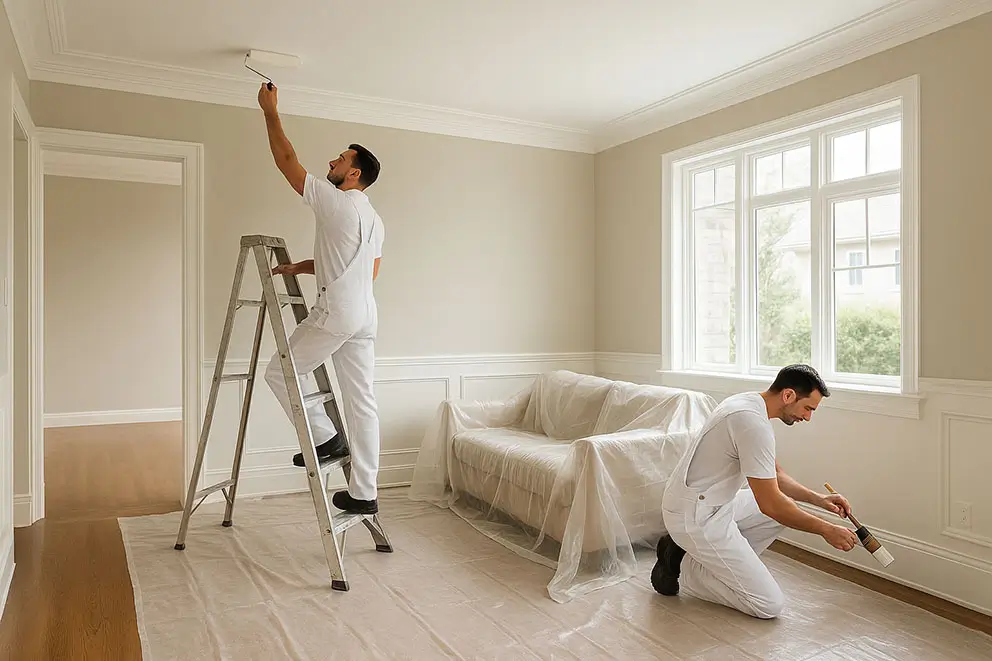
The Calm, Clean Way to Paint a Room That Actually Lasts

Paint

A fresh coat of paint is one of the few home improvements that can change how a space feels in a single weekend. But the difference between “looks great for a month” and “still looks great years later” almost always comes down to what happens before the first dip of the roller.

If you have ever painted and ended up with peeling at the baseboards, flashing on the walls, or mysterious stains coming back through, you are not alone. The good news is that most of these problems are predictable, and preventable, with a methodical approach.

If you are looking for practical guidance from a Trusted Painting Company in Toronto without turning this into an ad, you are in the right place. Let’s walk through the steps and decisions that make paint look smooth, wear evenly, and stay that way.

Start with a five minute “wall check”

Before buying paint, take a slow lap around the room with bright light (your phone flashlight works). You are looking for issues paint will not hide:

  • Shiny patches: Often old repairs, grease, or areas cleaned aggressively. These can cause uneven sheen.
  • Hairline cracks: Common around doors, corners, and ceiling lines. They telegraph through paint unless filled.
  • Nail pops and dents: Even small ones become more obvious after repainting.
  • Stains: Water marks, smoke, cooking oils, and kid art all need the right primer.
  • Chalky or dusty paint: Rub the wall with your hand. If you get a powdery residue, paint may not bond well without proper prep.

This is the moment to decide whether you need a simple repaint or a small repair project first.

Prep that saves you from repainting

Most paint failures are prep failures. Here is what matters most.

Clean where hands and air have been

Walls near light switches, kitchens, stair rails, and hallways collect oils and grime. Paint does not stick well to grease, even if the wall looks clean. Use a gentle degreaser or a mild soap solution and rinse with clean water. Let it dry fully.

A practical rule: if you would not tape to it confidently, do not paint over it.

Sand to remove texture problems, not to punish yourself

You do not need to sand every wall to bare drywall. You do need to sand:

  • Glossy areas so the surface becomes lightly dull
  • Rough patches from old drips or heavy roller texture
  • Raised edges around repairs so the wall feels flat to the touch

Use fine grit sandpaper and focus on feathering edges. Wipe the dust off with a damp cloth or microfiber.

Patch, then spot prime

Spackle and joint compound absorb paint differently than surrounding walls. If you paint directly over patches, you often get “flashing,” where repairs show as duller or shinier spots from certain angles.

After patching and sanding, spot prime repairs before the final coat. It is a small step that makes a big visual difference.

Primer is not optional when stains or bonding issues exist

Primer is not about spending more. It is about controlling what the finish coat can do.

Use primer when you have:

  • Water stains: You need a stain blocking primer, not just extra paint.
  • Smoke or heavy cooking residue: These can bleed through, even after cleaning.
  • Raw drywall or large patches: For uniform sheen.
  • Very glossy old paint: A bonding primer helps the new paint grip.
  • Colour changes with big contrast: Primer can reduce the number of finish coats.

One helpful mindset: paint is for beauty, primer is for behaviour.

Choose the right sheen for how the room is used

Sheen affects durability and how visible wall imperfections become.

  • Flat or matte: Best for hiding imperfections and giving a soft look. Not ideal for heavy scrubbing.
  • Eggshell: A favourite for living rooms and bedrooms because it balances washability and a forgiving finish.
  • Satin: Great for busy hallways, kids’ rooms, and areas that get touched often.
  • Semi gloss: Common for trim and doors because it handles cleaning and highlights detail.

If your walls are not perfectly smooth, going too shiny will make every bump and patch more noticeable, especially with side lighting from windows.

Colour looks different once it is on the wall

Paint chips are a starting point, not a verdict. The same colour can look warmer or cooler depending on exposure, flooring, and even nearby buildings.

Two useful techniques:

  • Sample large: A small swatch can mislead. Paint a bigger sample area or use sample boards you can move around.
  • Check at different times: Morning, afternoon, and evening light can change the feel dramatically.

Also consider how colour transitions from room to room. A home feels more intentional when undertones work together, even if each room has its own personality.

Tools and technique that make a pro level finish

You can buy premium paint and still end up with streaks if the application is rushed.

Roller nap matters

  • Smooth walls: shorter nap
  • Light texture: medium nap
  • Heavier texture: longer nap

Using the wrong nap is a quick path to splatter or an uneven finish.

Cut in like you mean it

Cutting in is painting a clean border along ceilings, trim, and corners before rolling. The best results come from:

  • A quality angled brush
  • Not overloading the brush
  • Keeping a wet edge so brushed areas blend into rolled areas

Work in sections

Paint a wall in manageable vertical sections and keep the edge wet. Many lap marks come from letting one area dry before you roll into it again.

Drying is fast, curing is slow

Paint may feel dry to the touch relatively quickly, but it takes longer to fully harden. This is why fresh paint can scuff easily or feel tacky when you put furniture back too soon.

Practical tips:

  • Avoid heavy washing early on. Use gentle cleaning at first.
  • Be careful with painter’s tape removal. Pull it back slowly at an angle.
  • Ventilate well and maintain steady indoor conditions for the best finish.

If you live in a climate with big seasonal swings like Southern Ontario, indoor humidity and temperature changes can affect how paint levels and cures. Comfort for you is usually comfort for paint, too.

Small details that make the room feel “done”

These finishing moves often separate an okay repaint from a transformation:

  • Straight caulk lines where trim meets the wall, especially in older homes with settling gaps
  • Crisp trim paint on baseboards and door casings
  • Even coverage behind doors and near edges where rollers sometimes miss
  • Consistent sheen across walls by using the same product and method throughout

Take a step back between coats and inspect in angled light. It is easier to fix a missed spot now than after everything is put back.

Maintenance that keeps paint looking fresh

A few habits can extend the life of your paint job:

  • Use felt pads on furniture that touches painted surfaces
  • Clean fingerprints with a damp microfiber, not abrasive sponges
  • Deal with moisture quickly in bathrooms and kitchens, using exhaust fans
  • Touch up with the same paint batch and sheen when possible, because sheen shifts can show

If you keep a small labelled jar of the original paint, future touch ups are far less stressful.

When it is worth calling in help

DIY painting is absolutely doable. But there are times when professional experience saves money and frustration:

  • Repeated peeling or bubbling that suggests moisture or adhesion problems
  • Extensive cracks, failing drywall tape, or older plaster repairs
  • Stain issues that keep returning through paint
  • High ceilings, stairwells, or hard to access areas where safety and clean lines get tricky

Even if you do most of the work yourself, getting advice on products and prep for your specific walls can prevent the common redo cycle.

A great paint job is not magic. It is a series of small, correct decisions. Clean, repair, prime where needed, choose sheen thoughtfully, and apply with patience. Do that, and the room will not just look fresh on day one, it will stay calm and clean looking long after the furniture is back in place.

Top 10 Interior Decoration Tips MintPalDecor for Stylish Home in 2026

Your home should feel like you — not a showroom, not a catalog page, and definitely not last decade. But knowing where to start is the hard part. Color? Furniture? Layout? It all matters, and the wrong call on any one of them can throw off the whole room.This article breaks down the Interior Decoration Tips experts stand behind heading into 2026 — practical, U.S. home-tested advice that works whether you’re decorating a studio apartment in Chicago or a family home in Austin. By the end, you’ll know exactly what to prioritize, what to skip, and how to put it all together without losing your mind (or your budget).

10 Interior Decoration Tips That Actually Work in 2026

interior decoration tips mintpaldecor

1. Start With a Neutral Base, Then Layer Color

Paint your walls in warm whites, greiges, or soft taupes. These tones work with almost any furniture and make rooms feel larger. Bring color in through throw pillows, rugs, and art — things you can swap without repainting.

2. Is Your Furniture Scaled to the Room?

Oversized sofas in small living rooms are one of the most common decorating mistakes in American homes. Measure twice before buying. As a rule: leave at least 18 inches between your sofa and coffee table, and keep major pieces at least 12 inches from the wall.

Room SizeRecommended Sofa LengthRug Size
Small (under 150 sq ft)Up to 72 inches5×8 ft
Medium (150–300 sq ft)84–90 inches8×10 ft
Large (300+ sq ft)96+ inches9×12 ft or larger

3. Does Your Lighting Do Enough Heavy Lifting?

interior decoration tips mintpaldecor

Most U.S. homes rely on a single overhead light per room. That’s a decorating mistake. Layer three types of lighting: ambient (overhead), task (desk or reading lamps), and accent (wall sconces, under-cabinet strips). This alone makes any room feel more intentional and expensive.

4. Use the 60-30-10 Color Rule

This is a designer standard for a reason. Apply 60% of your room in a dominant color (walls, large furniture), 30% in a secondary color (curtains, accent chairs), and 10% in an accent (throw pillows, vases, art). It creates visual balance without effort.

LayerPercentageExample
Dominant60%Wall color, large sofa
Secondary30%Curtains, accent chair
Accent10%Throw pillows, decorative objects

5. Mirrors Are Cheap Square Footage

interior decoration tips mintpaldecor

Placing a large mirror opposite a window doubles your natural light and makes any room read as bigger. Leaner mirrors work well in bedrooms and entryways; framed mirrors above consoles or mantels add structure to living areas.

6. Why Does Texture Matter More Than Color in 2026?

Tone-on-tone rooms are trending hard in 2026 — think cream on cream or navy on navy. What makes them work is texture: linen drapes, a chunky knit throw, a jute rug, a ceramic lamp base. Without texture variety, a single-color room just looks flat.

7. Treat Your Entryway Like It Matters

interior decoration tips mintpaldecor

Most people ignore it. First impressions count — for guests and for your own mood when you walk in the door. A console table, a mirror, a small tray for keys, and one light fixture go a long way. Keep it clutter-free and it’ll make the rest of your home feel more polished by association.

8. Group Art, Don’t Scatter It

Lone frames floating on large walls look like afterthoughts. Gallery walls — grouped tightly with consistent spacing (2–3 inches between frames) — look curated and intentional. Stick to one frame finish (black, brass, or natural wood) to unify a mixed collection.

9. How Do You Choose the Right Rug?

interior decoration tips mintpaldecor

The most common rug mistake: going too small. In a living room, all major furniture legs should sit on the rug — or at minimum, the front legs. In a bedroom, the rug should extend at least 24 inches beyond both sides of the bed.

10. Edit Ruthlessly — Less Is More in 2026

interior decoration tips mintpaldecor

The maximalist wave has passed. In 2026, the rooms that feel aspirational are the ones with breathing room. For every decorative item you add, consider removing one. Surfaces should have some open space. Visual clutter reads as stress, not style.

Quick-Reference: Interior Decoration Checklist

interior decoration tips mintpaldecor
TipPriorityDifficultyCost
Neutral base + layered colorHighEasyLow
Right-scaled furnitureHighMediumMedium–High
Three-layer lightingHighEasyLow–Medium
60-30-10 color ruleMediumEasyLow
Strategic mirror placementMediumEasyLow
Texture varietyMediumEasyLow
Entryway refreshMediumEasyLow
Gallery wall groupingsLowMediumLow
Correctly sized rugHighEasyMedium
Editing for breathing roomHighEasyFree

Frequently Asked Questions

What are the most important Interior Decoration Tips recommends for beginners?
Start with the basics: get your furniture scale right, layer your lighting, and choose a neutral wall color. These three changes will do more for a room than any accessory.

How do I decorate a small apartment on a budget in 2026?
Mirrors, lighting upgrades, and a correctly sized rug deliver the biggest visual returns for the least money. Avoid oversized furniture and use vertical space — tall bookshelves and wall-mounted storage keep the floor clear and rooms feeling open.

What interior design trends are most popular in the U.S. in 2026?
Warm neutrals, natural materials (wood, stone, linen), and layered textures are dominating American interiors in 2026. Maximalism is fading in favor of intentional, curated spaces with fewer — but better — pieces.

Where can I find more home improvement advice ?
Visit MintPalDecor for a full library of decorating guides, room makeovers, and practical home improvement resources updated for 2026.

The Bottom Line

Good interior decoration doesn’t require a designer’s budget or a design degree. It requires intention. Scale your furniture properly, layer your lighting, respect the 60-30-10 rule, and edit until every object in the room is earning its place.

If you want to go deeper on any of these principles. Apply even three or four of the Interior Decoration Tips listed above, and your space will look noticeably different. Start this weekend.

Beautifully Detailed Needle Felted Products Crafted with Care

In a world increasingly driven by mass-produced items, handmade treasures remind us of the beauty of intentional craftsmanship. Among these, needle felted products occupy a special place—they are artistic, thoughtful, and full of personality. At the heart of this revival of traditional craft is the growing appreciation for pieces made with care, heart, and soul. One collection that exemplifies this spirit is the Handcrafted Gifts assortment available at Oakenark.com’s Handcrafted Gifts collection, where wool is transformed into whimsical figures and delightful décor designed to spark joy. 

The Timeless Appeal of Needle Felting

Needle felting is a meticulous craft that involves repeatedly stabbing natural wool fibers with a barbed needle, interlocking the fibers until a solid form emerges. The technique, though simple in concept, requires patience and a keen eye for detail. Artists sculpt wool into figures, ornaments, and playful characters that appear almost alive. The appeal of needle-felted products lies not only in their tactile softness but also in the uniqueness of each piece—no two are exactly alike because each reflects the human hand that shaped it.

Needle felted creations often evoke nostalgia and warmth. Whether it’s a tiny animal ornament or a festive seasonal character, these handcrafted products bring a soft, organic presence to any space. They are particularly beloved during the holidays, where the cozy, whimsical feel aligns perfectly with festive décor.

Craftsmanship That Tells a Story

There’s something inherently personal about a handcrafted piece. Unlike items churned out by machines, needle felted products carry the imprint of human touch. Artisans invest hours into sculpting, detailing, and perfecting each item. They select wool fibers carefully, blend colors by hand, and shape each piece with precision. The result is a product that feels alive—full of expression and individuality.

This attention to detail makes these creations meaningful gifts. Whether given as a holiday ornament, a memento for a milestone, or a thoughtful gesture for someone special, needle felted products convey intention and warmth. Their handcrafted nature invites those who receive them to appreciate the labor of love behind each stitch and curve. They become keepsakes, and in many cases, the start of cherished traditions.

A Curated Collection of Heartfelt Creations

The Handcrafted Gifts collection showcases an extensive range of needle felted items, each bearing distinct personalities and handcrafted charm. Curated for joy and crafted by skilled artisans, the collection features over 150 products designed to fit a variety of tastes and occasions. 

Here are a few of the standout categories within the collection:

  • Seasonal and Holiday Ornaments: From needle felted Christmas trees topped with stars to festive animals like mice in cozy hats and scarves, these ornaments bring whimsy and warmth to holiday decorations.
  • Whimsical Figurines: Imaginative wool sculptures like woodland elves or reindeer add character to shelves, mantles, or tabletop displays.
  • Animal Characters: Needle felted hedgehogs, hummingbirds, and other creatures charm collectors and gift-givers alike with their soft textures and intricate detailing.

Each product is crafted with eco-friendly materials—primarily 100% natural wool—and designed without plastics, making them safe for homes with children and pets. 

Sustainability Meets Style

In addition to their artistic value, these needle felted products align with sustainable living principles. Crafted from renewable wool and free from plastic components, they offer an environmentally conscious alternative to conventional décor. Choosing handcrafted items means supporting materials that biodegrade naturally and reducing reliance on synthetic goods.

Moreover, purchasing handcrafted gifts also supports artisans and small-scale creators. When you choose one of these needle felted products, you’re contributing to a vibrant community that values tradition, skill, and sustainable practices.

Perfect for Every Occasion

While needle felted items are particularly popular during holiday seasons, their uses go far beyond Christmas trees. These handcrafted pieces fit beautifully into everyday life. Consider:

  • Home Décor Accents: A wool figurine adds a cozy touch to a bookshelf or bedside table.
  • Gifts with Meaning: Whether for birthdays, anniversaries, or housewarmings, needle felted products make memorable presents.
  • Collectibles: Enthusiasts often build collections of handcrafted wool characters, celebrating seasonal or thematic varieties.

Their versatility and charm make them ideal for people of all ages. They offer a tactile experience that resonates emotionally—something that purely functional objects rarely achieve.

Final Thoughts

In a digital era where screens dominate and products flood the market, handcrafted needle felted pieces stand out by reminding us of the human stories behind them. These are creations that celebrate patience, artistry, and the joy of bringing something beautiful into the world.

Beautifully detailed and crafted with care, needle felted products gently bridge tradition and modern appreciation for handmade goods. Whether you’re exploring this art form for the first time or searching for a thoughtful gift, the elaborately crafted pieces in the Handcrafted Gifts collection exemplify how handcrafted treasures can elevate everyday moments with character and heart