
Author: Mintpaldecor
What Professional Roofers Look for During a Roof Repair Inspection

A roof repair inspection is a crucial step in maintaining the safety, performance, and longevity of your home. While some roofing problems are visible from the ground, many issues develop out of sight and can worsen if left unchecked. Professional roofers are trained to spot both evident and hidden signs of damage, ensuring that repairs are effective and long-lasting. Understanding what experts look for during an inspection can help homeowners appreciate the value of professional roofing services and act early to prevent costly repairs.
Overall Roof Condition
The first thing professional roofers assess is the general condition of the roof. This includes examining the roof’s structure, shape, and surface for visible signs of wear or deterioration. Sagging areas, uneven lines, or dips in the roof may indicate underlying structural issues that require immediate attention.
Roofers also look for signs of ageing, such as brittle materials, discolouration, or widespread surface damage. These indicators help determine whether a simple roof repair will suffice or if the roof may be approaching the end of its lifespan.
Damaged or Missing Roofing Materials
One of the most common issues roofers look for is damaged or missing roofing materials. This may include cracked, curled, or broken tiles or shingles, as well as loose sections that could be lifted by wind or heavy rain.
Even small areas of damage can allow water to penetrate the roof, leading to leaks and internal damage. During an inspection, professional roofers carefully check high-risk areas, including ridges, edges, and valleys, where damage is more likely to occur.
Signs of Water Ingress and Leaks
Water damage is a primary concern during any roof replacement inspection. Roofers look for stains, damp patches, mould, or rot on roofing materials and within the roof structure. These signs often point to ongoing leaks that may not be visible from inside the home.
Inspectors also check around chimneys, skylights, vents, and other roof penetrations, as these areas are particularly vulnerable to leaks. Identifying the source of water ingress is essential to ensure repairs address the root cause rather than just the symptoms.
Condition of Flashing and Seals
Flashing plays a vital role in directing water away from vulnerable parts of the roof. Professional roofers inspect flashing around chimneys, dormers, roof edges, and junctions to ensure it is securely fitted and free from cracks, corrosion, or gaps.
Damaged or poorly installed flashing is one of the leading causes of roof leaks. Roofers also assess sealants and adhesives to ensure they remain flexible and intact, especially in areas exposed to extreme weather conditions.
Gutters, Fascias, and Drainage
Adequate drainage is essential for roof performance. During an inspection, roofers examine gutters, downpipes, fascias, and soffits to ensure water is being directed safely away from the property.
Blocked or damaged gutters can cause water to overflow and seep into the roof or walls, leading to structural damage. Roofers look for signs of debris buildup, sagging gutters, or water staining, all of which can signal drainage problems.
Roof Structure and Underlay
Beyond the surface, professional roofers assess the condition of the roof structure and underlay where accessible. This includes checking for signs of rot, weakened timber, or pest damage within the roof space.
The underlay provides an extra layer of protection against moisture. If it has deteriorated or been compromised, roofers may recommend targeted repairs or further investigation to prevent future leaks.
Ventilation and Insulation
Proper ventilation and insulation are often overlooked but play a significant role in roof health. Poor ventilation can lead to condensation buildup, which causes mould growth and timber decay over time.
Roofers inspect ventilation systems to ensure air is flowing correctly through the roof space. They may also assess insulation levels, as damaged or poorly fitted insulation can affect energy efficiency and contribute to moisture problems.
Providing Expert Recommendations
Once the inspection is complete, professional roofers provide transparent and honest recommendations. This may include immediate roof repair, preventative maintenance, or advice on whether a future roof replacement should be planned.
A thorough inspection ensures that all issues are identified early, helping homeowners make informed decisions that protect their property and avoid unnecessary expenses.
Regular roof inspections by professional roofers are an essential part of responsible home maintenance. By understanding what experts look for during a roof repair inspection, homeowners can better appreciate the importance of early intervention and professional care, ensuring their roof remains safe, secure, and weather-resistant for years to come.
Renovation Decisions That Actually Improve How Your Home Works
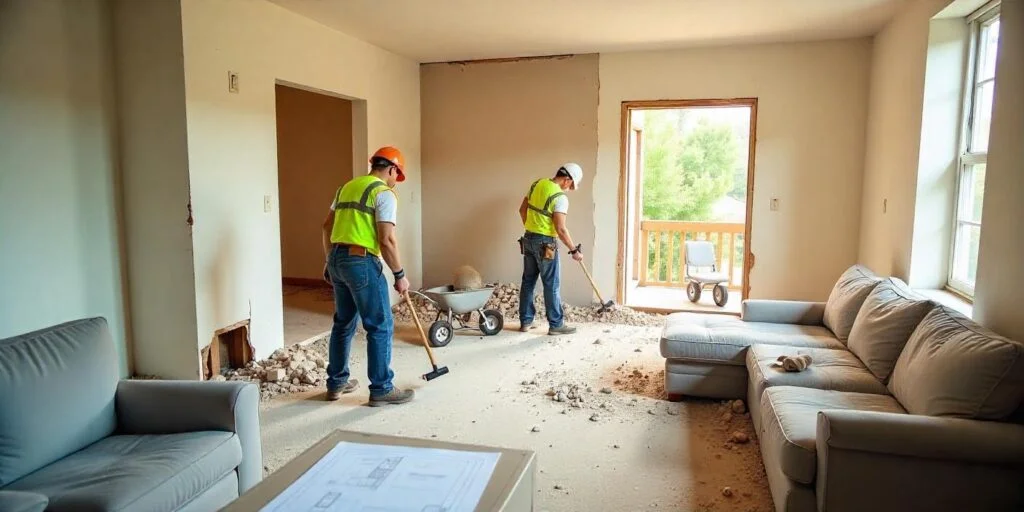
Renovating a home is rarely about following trends. For most homeowners, it is about fixing what no longer works, improving comfort, and making smarter use of space they already have. The strongest renovations are the ones that quietly improve daily life while also protecting long term value.
If you are planning a renovation or even just exploring the idea, it helps to step back and understand how successful projects are usually approached. This guide focuses on renovation decisions that balance function, durability, and design so the results feel intentional rather than rushed.
Renovation Starts With How You Live, Not What You See Online
One of the biggest mistakes homeowners make is starting with inspiration photos instead of lifestyle needs. A renovation should solve problems first and look good second. Before thinking about finishes or layouts, ask a few practical questions.
How does your household actually use the space
What activities feel cramped or inefficient
Where do traffic patterns break down
Which rooms create the most daily friction
Kitchens are a common example. Many homeowners begin with cabinet styles or countertop materials, but the real success of a kitchen renovation depends on workflow. Storage placement, prep zones, and circulation matter more than surface choices. This is why discussions around layout and planning often lead naturally into conversations about custom kitchen renovation services as a way to address individual space challenges without forcing a one size fits all solution.
The same principle applies to bathrooms, living areas, and even basements. Renovation works best when it is shaped around behavior rather than appearance alone.
Structural Improvements Come Before Surface Upgrades
Cosmetic changes are satisfying, but they should never outrun structural priorities. Strong renovations address what is behind the walls before focusing on what is visible.
Areas worth evaluating early include:
Electrical capacity and outlet placement
Plumbing condition and fixture locations
Insulation and ventilation performance
Subfloor stability and framing integrity
Updating finishes without addressing these elements often leads to regret. For example, a bathroom remodel that ignores ventilation issues may look beautiful but develop moisture problems within a year. Likewise, kitchens renovated without electrical upgrades can struggle to support modern appliances safely.
Investing in these invisible improvements protects the visible work and extends the lifespan of the renovation as a whole.
Layout Changes Deliver the Highest Functional Return
When budgets are limited, homeowners often hesitate to move walls or reconfigure layouts. However, layout changes frequently provide more long term value than high end materials.
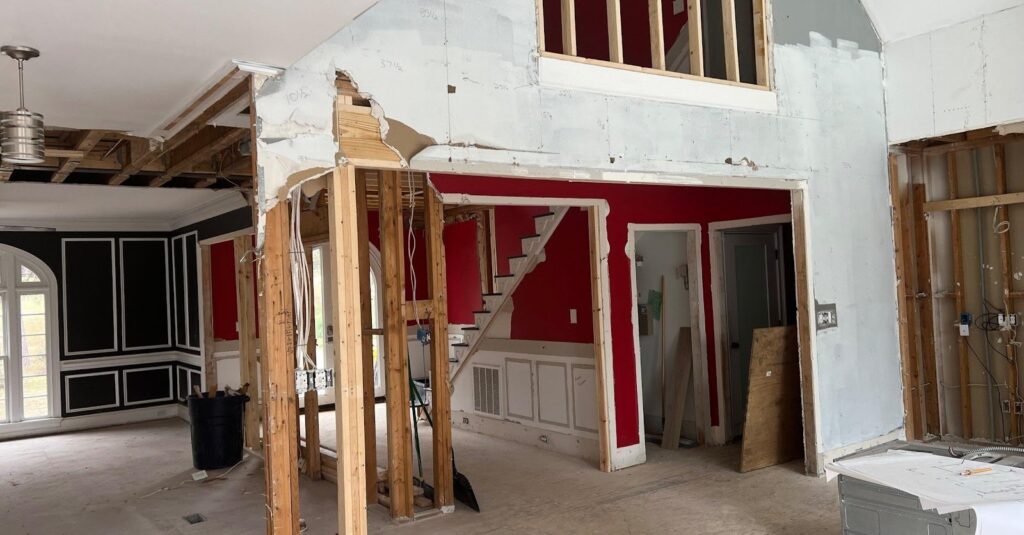
Removing a partial wall to open sightlines
Repositioning doorways to improve flow
Reclaiming unused corners for storage
Combining underused rooms into functional zones
These changes improve how space feels and functions every day. They also adapt older homes to modern living patterns without compromising character.
Recent remodeling data shows that homeowners who invest in layout optimization tend to report higher satisfaction with renovation outcomes compared to those who focus mainly on finishes. The difference is not aesthetic, it is experiential.
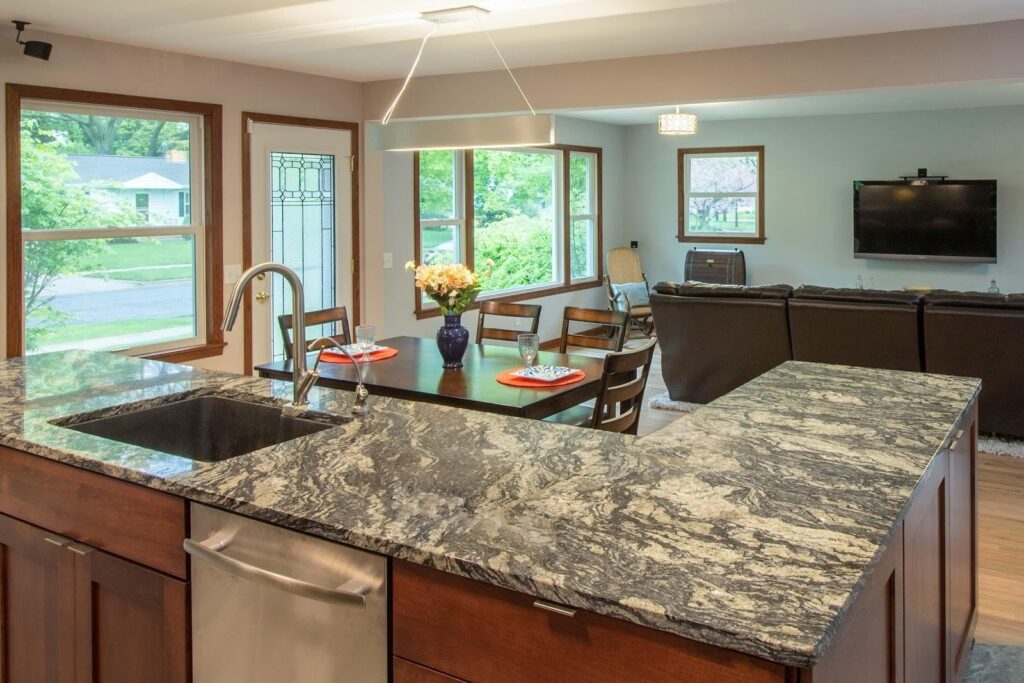
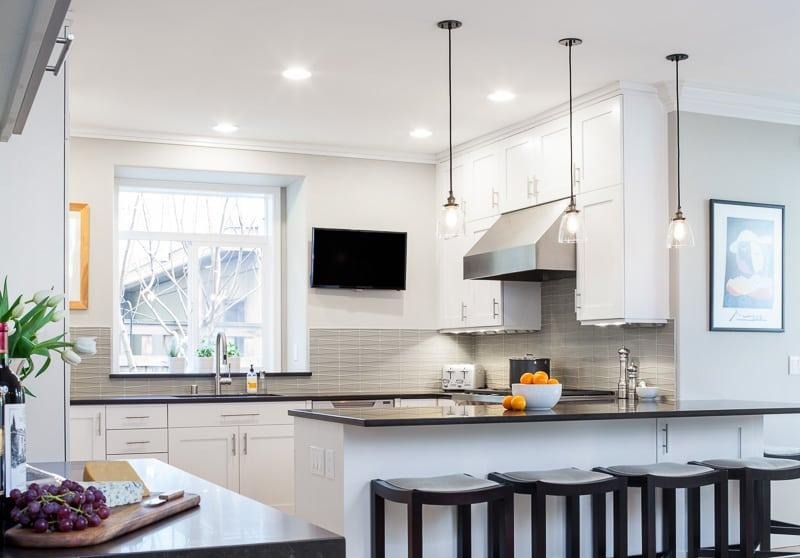
Kitchens and Bathrooms Remain Renovation Anchors
While every home is different, kitchens and bathrooms consistently anchor renovation planning. They combine mechanical systems, storage needs, and daily use in ways few other rooms do.
For kitchens, priorities usually include:
Efficient work triangles and prep areas
Adequate storage without visual clutter
Durable surfaces that handle heavy use
Lighting that supports both tasks and atmosphere
Bathrooms benefit most from:
Improved layout and circulation
Better moisture control and ventilation
Comfort upgrades like heated floors or walk in showers
Smart storage that reduces countertop clutter
According to recent remodeling statistics, kitchens and bathrooms continue to rank among the top renovation projects for both homeowner satisfaction and perceived value. This reinforces the idea that practical upgrades in these spaces deliver returns beyond aesthetics.
Materials Should Be Chosen for Longevity, Not Trends
Trends move quickly. Renovations do not. Selecting materials based on durability and maintenance requirements usually leads to better outcomes than following what is popular at the moment.
When evaluating materials, consider:
How they age under daily use
Ease of cleaning and repair
Compatibility with the rest of the home
Availability for future replacements
Neutral foundations with subtle character often age better than bold statements. Texture, proportion, and craftsmanship tend to outlast color trends and decorative details.
This approach also allows flexibility. When surfaces are timeless, smaller updates like paint or lighting can refresh a space without requiring another major renovation.
Energy Efficiency Is a Quiet Value Builder
Renovations present a unique opportunity to improve energy performance without additional disruption. These upgrades rarely dominate design conversations, but they significantly affect comfort and operating costs.
Common efficiency improvements include:
Upgraded insulation during wall or ceiling work
High performance windows and doors
Modern HVAC zoning and controls
Efficient lighting and appliance choices
Recent housing studies show that energy efficient renovations not only reduce utility expenses but also influence buyer perception when homes are eventually sold. Even if resale is not a current concern, daily comfort improvements are immediate and noticeable.
Planning Prevents Renovation Fatigue
Renovation fatigue is real. Projects that feel disorganized or constantly changing become stressful, even when the end result is positive. Clear planning reduces this strain.
Successful renovation planning usually includes:
A defined scope that limits mid project changes
Realistic timelines with buffer periods
Prioritized decision making before work begins
Contingency budgeting for surprises
Homeowners who spend more time planning typically report smoother renovation experiences. Decisions made calmly upfront reduce pressure when construction is underway.
Renovation Success Is Measured in Daily Ease
The most successful renovations do not announce themselves loudly. They are felt through smoother mornings, easier cooking, better storage, and rooms that simply work.
When evaluating renovation choices, consider how each decision affects daily routines rather than how it photographs. A well planned renovation supports life quietly and consistently, long after trends fade.
By focusing on function first, addressing structure early, and choosing materials with intention, homeowners create spaces that remain useful, comfortable, and resilient for years to come. Renovation done well is not about transformation alone. It is about refinement that makes living easier.
Glass Repair Explained: When Fixing Glass Is Smarter Than Replacing It
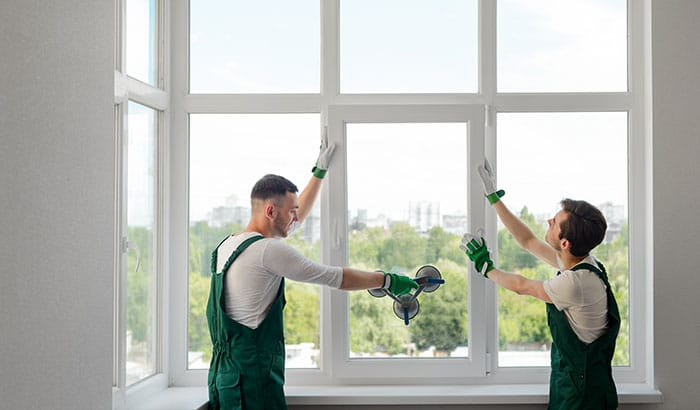
Glass is one of those materials we rely on every day but rarely think about until something goes wrong. A crack in a window, foggy panes, or a shattered storefront panel can quickly turn from a minor inconvenience into a safety concern. For homeowners and business owners alike, understanding glass repair helps you make faster, smarter decisions that protect both property and budget.
Based on the tone and educational style found on professional glass repair resources like rhinoglassrepair.ca, this guide focuses on clarity, practicality, and real-world scenarios. It is written for people who want reliable information without sales pressure, technical overload, or repeated talking points.
Understanding Glass Repair and Why It Matters
Glass repair refers to restoring damaged glass so it can continue to perform safely and efficiently without full replacement. This can include fixing cracks, chips, seal failures, scratches, and minor structural weaknesses. In many cases, repair extends the life of existing glass and avoids unnecessary waste.
Right after a repair assessment, many property owners begin researching options like affordable window glass repair services to understand what is realistically possible before committing to replacement. Learning how repairs work gives you a clearer picture of what is feasible and when replacement is actually necessary.
Glass damage often worsens if ignored. Temperature changes, moisture, and vibration all put stress on compromised glass. Acting early can prevent a small issue from turning into a full break.
Common Types of Glass Damage
Not all glass damage looks the same, and different problems call for different solutions.
Cracks and Chips
Small cracks or chips are often caused by impact, pressure changes, or shifting structures. If the damage is shallow and limited in size, repair is usually possible. These fixes stabilize the glass and stop the crack from spreading.
Foggy or Cloudy Glass
This usually happens in double or triple-pane windows when the seal fails. Moisture enters between panes, causing condensation that cannot be wiped away. While the glass itself may still be intact, seal failure affects insulation and visibility.
Scratches and Surface Wear
Scratches may come from construction debris, cleaning tools, or accidental contact with sharp objects. Light scratches can often be polished out, while deeper ones may weaken the glass and require further evaluation.
Shattered or Broken Panels
Once glass fully shatters, repair is no longer an option. However, understanding how the break happened can help prevent future issues with the new installation.
Repair vs Replacement: How to Decide
One of the most common questions property owners ask is whether to repair or replace damaged glass. The answer depends on several factors.
Extent of damage matters most. Minor, localized damage often qualifies for repair, while large cracks that reach the edge of the glass usually require replacement. Safety is another major factor. Glass that compromises structural integrity or poses a risk to occupants should not be patched.
Energy efficiency also plays a role. According to recent building performance data from the U.S. Department of Energy, windows can account for up to 30 percent of residential heating and cooling energy loss when they are inefficient or damaged. Addressing seal failures and cracks helps maintain indoor comfort and reduces energy waste.
Aesthetics matter as well. Even if repair is technically possible, highly visible damage may still impact the appearance of a space. In those cases, replacement might be the better long-term choice.
The Glass Repair Process Explained
Understanding how glass repair works helps set realistic expectations.
The process usually starts with a detailed inspection. A technician evaluates the size, depth, and location of the damage. They also check surrounding frames and seals to ensure the problem is not structural.
For cracks and chips, specialized resins are injected into the damaged area. These resins bond with the glass and harden, restoring strength and clarity. When done correctly, the repair is often barely noticeable.
Seal repairs involve removing trapped moisture and resealing the unit. This restores insulation performance without replacing the entire window assembly.
Quality control is critical. A proper repair should improve both strength and appearance, not just mask the damage.
Safety Considerations You Should Not Ignore
Damaged glass is more than a cosmetic issue. Cracked or weakened glass can fail unexpectedly, especially during temperature swings or strong winds.
In commercial spaces, compromised glass can violate building safety standards and increase liability risks. In homes, damaged windows can make it easier for intruders to gain access.
Tempered and laminated glass behave differently when damaged. Understanding what type of glass you have helps determine the safest course of action. Professionals can identify this quickly during inspection.
How Glass Repair Supports Sustainability
Repairing glass instead of replacing it reduces waste and resource consumption. Glass manufacturing requires high heat and significant energy. Extending the life of existing glass lowers environmental impact.
According to data from the Environmental Protection Agency, construction and demolition debris accounts for over 600 million tons of waste annually in the United States, with glass contributing a measurable share. Repair-first approaches help reduce this burden.
Choosing repair when appropriate aligns with sustainable building practices without sacrificing safety or performance.
Signs You Should Call a Professional
Some damage is obvious, but other warning signs are easy to miss.
If you notice drafts near windows, rising energy bills, or condensation between panes, your glass may not be performing as it should. Visible cracks that change shape or length over time are another red flag.
Unusual sounds during wind or temperature changes can indicate stress in the glass. Addressing these signs early often leads to simpler, more cost-effective solutions.
Long-Term Benefits of Proper Glass Repair
Well-executed glass repair restores more than just appearance. It helps maintain indoor comfort, protects interiors from moisture damage, and preserves property value.
For businesses, clear and intact glass supports a professional image and improves customer experience. For homeowners, it contributes to safety, efficiency, and peace of mind.
When repair is done correctly, it can delay replacement for years while maintaining performance standards.
Final Thoughts
Glass repair is a practical, often overlooked solution that balances safety, cost, and sustainability. By understanding the types of damage, the repair process, and when replacement is truly necessary, property owners can make informed decisions without unnecessary expense.
Whether you are dealing with a small crack or evaluating long-term window performance, approaching glass issues early and thoughtfully almost always leads to better outcomes.
Renovating With Purpose: How Thoughtful Home Renovations Add Lasting Value

Home renovations are no longer just about updating finishes or following trends. For today’s homeowners, renovation decisions are closely tied to lifestyle changes, long-term value, and how a home functions on a day-to-day basis. Whether you are modernizing a single room or rethinking the flow of your entire house, successful renovations are rooted in planning, practicality, and a clear understanding of how you actually live in your space.
Unlike cosmetic updates, meaningful home renovations focus on improving comfort, efficiency, and usability. When done well, they quietly enhance everyday life while also strengthening a home’s resale appeal. This balance between personal enjoyment and future value is where thoughtful renovation strategies truly shine.
Understanding Why You Are Renovating Before Starting
Before selecting materials or calling contractors, it is worth stepping back to define your motivation. Some homeowners renovate to solve functional problems such as lack of storage, outdated layouts, or poor lighting. Others are preparing to sell and want to increase market appeal. Many fall somewhere in between, upgrading with both present comfort and future buyers in mind.
Clarifying your primary goal helps guide every decision that follows. A renovation aimed at daily comfort may justify higher upfront costs for durability and custom solutions. A resale-focused renovation, on the other hand, benefits from neutral design choices and broad appeal. Without this clarity, it is easy to overspend in areas that do not meaningfully improve your home’s performance or value.
Kitchens as the Functional Heart of the Home
Among all renovation projects, kitchen updates consistently rank as the most impactful. Kitchens support daily routines, social gatherings, and family life more than almost any other space. As open-concept living becomes more common, kitchens are expected to function seamlessly while maintaining visual harmony with surrounding areas.
This is why many homeowners seek guidance from experienced professionals early in the planning stage. Consulting with professional kitchen remodelers in Toronto can help translate lifestyle needs into practical design decisions without falling into trend-driven choices that may not age well. The most effective kitchen renovations prioritize workflow, storage efficiency, and lighting long before finishes are selected.
Renovation Trends That Focus on Longevity, Not Hype
While trends shift quickly, some renovation principles have proven staying power. Homeowners are increasingly prioritizing upgrades that improve energy efficiency, reduce maintenance, and support long-term durability.
Energy-efficient windows, improved insulation, and upgraded HVAC systems may not be visually dramatic, but they deliver measurable comfort and cost savings. According to recent data from the Canada Mortgage and Housing Corporation, energy efficiency improvements remain among the most common renovation investments due to their long-term financial and environmental benefits. These upgrades also appeal to future buyers who are more conscious of operating costs than ever before.
Similarly, durable materials are replacing high-maintenance finishes. Engineered hardwoods, quality laminates, and performance countertops are selected not because they are trendy, but because they withstand daily use while maintaining a clean appearance over time.
Bathrooms That Balance Comfort and Practicality
Bathrooms have evolved from purely functional spaces into personal retreats. However, successful bathroom renovations still prioritize practicality over luxury. Improved ventilation, water-efficient fixtures, and smart storage solutions often have a greater impact on daily comfort than oversized tubs or elaborate tile patterns.
A well-designed bathroom renovation focuses on ease of maintenance and timeless appeal. Neutral palettes, simple lines, and high-quality fixtures age far better than bold design statements that may feel dated within a few years. This approach not only improves everyday usability but also protects resale value.
Structural and Layout Improvements That Transform Living
Some of the most meaningful renovations are invisible once completed. Removing unnecessary walls, reinforcing structural elements, or reconfiguring layouts can dramatically improve how a home feels and functions. These changes require careful planning and professional oversight, but they often deliver the highest satisfaction over time.
Open sightlines, improved natural light, and better room flow can make even modestly sized homes feel larger and more inviting. When combined with subtle design choices, layout improvements create spaces that feel intuitive rather than forced.
Budgeting Realistically and Avoiding Costly Surprises
One of the most common renovation challenges is underestimating costs. Beyond materials and labor, homeowners should plan for permits, inspections, and a contingency budget for unforeseen issues. Older homes in particular may reveal outdated wiring, plumbing concerns, or structural repairs once work begins.
Industry experts generally recommend setting aside 10 to 15 percent of the total renovation budget as a contingency. This buffer allows projects to move forward without stressful compromises if unexpected work becomes necessary.
Choosing the Right Professionals for the Job
Renovation success depends as much on people as it does on plans. Experienced professionals bring technical knowledge, realistic timelines, and problem-solving skills that protect homeowners from costly mistakes. Clear communication, transparent estimates, and a shared understanding of expectations are essential from the start.
Homeowners benefit most when they work collaboratively with contractors and designers who understand both construction realities and lifestyle needs. This partnership approach results in spaces that feel cohesive, functional, and built to last.
Renovations That Support Future Resale Without Sacrificing Comfort
Even if selling is not an immediate goal, smart renovations consider future buyers. Neutral design choices, quality workmanship, and practical layouts appeal to a broader audience. According to recent real estate market analysis from the Canadian Real Estate Association, homes with updated kitchens, bathrooms, and energy-efficient features consistently attract stronger buyer interest.
The key is balance. Renovating solely for resale can result in generic spaces that lack personality, while renovating only for personal taste may limit future appeal. Thoughtful choices allow homeowners to enjoy their space now while maintaining flexibility for the future.
Living With the Results of Thoughtful Renovation
The true measure of a successful renovation is how it feels months or years after completion. Spaces should support routines effortlessly, reduce daily frustrations, and adapt as needs change. When renovations are approached with intention rather than impulse, they quietly enhance quality of life.
Home renovations are investments not just in property value, but in how you experience your home every day. By focusing on function, durability, and thoughtful design, homeowners can create spaces that remain relevant, comfortable, and valuable for years to come.
Renovating With Purpose: How Smart Home Improvements Create Lasting Value
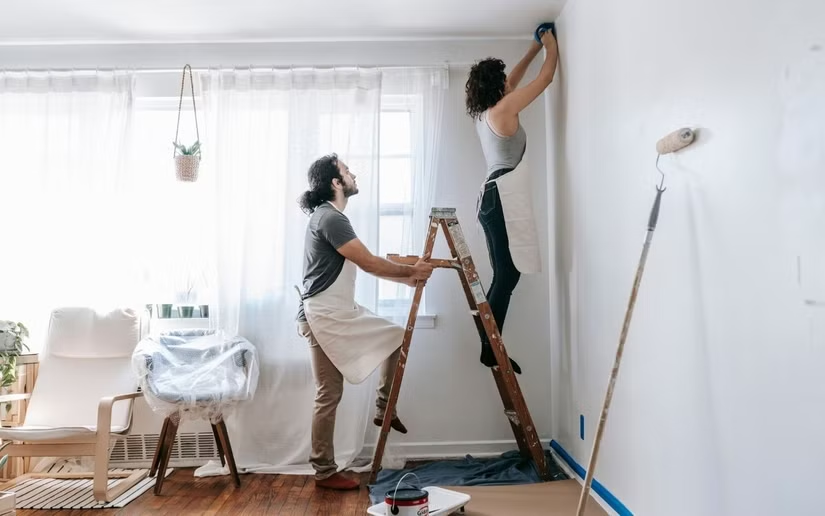
Home renovation has shifted from being purely cosmetic to deeply intentional. Homeowners today want spaces that work harder, last longer, and reflect how they actually live. Whether it is rethinking layouts, upgrading materials, or improving efficiency, the most successful home improvements are guided by purpose rather than trends alone.
This article explores how to approach renovation decisions thoughtfully, with a focus on long-term value, livability, and craftsmanship. It is written for homeowners who want to renovate once and do it right.
Understanding the Modern Homeowner Mindset
The typical renovation client today is informed, cautious, and future-focused. They are not chasing dramatic transformations for resale alone. Instead, they want homes that feel better to live in now and remain functional years down the road.
Recent data from the Harvard Joint Center for Housing Studies shows that homeowner spending on remodeling continues to prioritize essential upgrades and long-term improvements over purely decorative projects. This reflects a broader shift toward durability, efficiency, and comfort.
Renovation decisions are no longer about quick wins. They are about thoughtful investments.
Kitchens as the Heart of Functional Renovation
Among all home improvement projects, kitchen renovations continue to stand out for both lifestyle impact and value retention. The kitchen is no longer just a place to cook. It has become a gathering space, a work zone, and often the visual anchor of the home.
Homeowners exploring options such as custom kitchen renovations in Toronto are increasingly focused on layout optimization, storage efficiency, and materials that balance aesthetics with durability. Rather than selecting finishes first, they are starting with how the space needs to function day to day.
Well-designed kitchens improve flow, reduce clutter, and make daily routines smoother. These benefits are felt immediately and appreciated long after the renovation is complete.
Planning Before Demolition: The Most Overlooked Step
One of the biggest mistakes homeowners make is underestimating the importance of planning. A successful renovation begins long before any walls come down.
Effective planning includes:
- Clarifying how each space will be used
- Understanding structural limitations
- Setting a realistic budget with contingency
- Aligning design choices with long-term goals
Rushing into construction without a clear plan often leads to compromises later, whether that means budget overruns or design regrets. Homeowners who invest time upfront tend to enjoy smoother projects and better outcomes.
Choosing Materials That Stand the Test of Time
Material selection plays a critical role in renovation success. While trends can inspire ideas, durability should always guide final decisions.
For example, engineered hardwoods, quartz surfaces, and high-quality cabinetry finishes continue to outperform trend-driven alternatives when it comes to longevity. These materials maintain their appearance under daily use and reduce the need for future repairs or replacements.
According to the latest Houzz Kitchen Trends Study, homeowners increasingly prioritize durability and ease of maintenance when selecting renovation materials, particularly in kitchens and bathrooms. This aligns with a broader desire for homes that feel polished without requiring constant upkeep.
Renovation Is About Flow, Not Just Features
Adding features without considering how they interact often results in awkward spaces. True renovation success comes from improving flow.
Flow refers to how people move through and use a space. In kitchens, this means thoughtful placement of appliances, adequate clearance around work zones, and seamless transitions into adjacent rooms. In open-concept homes, it means defining zones without closing off light or movement.
When flow is prioritized, even modest renovations can dramatically improve how a home feels.
Energy Efficiency as a Core Renovation Strategy
Energy efficiency has become a central consideration in home improvement planning. Upgrading insulation, windows, and mechanical systems often delivers greater long-term value than visible cosmetic changes alone.
Energy-efficient improvements offer several advantages:
- Lower monthly utility costs
- Improved indoor comfort
- Reduced environmental impact
- Increased home resilience
Many homeowners integrate these upgrades into larger renovation projects to maximize efficiency and minimize disruption. Over time, these behind-the-scenes improvements often provide some of the strongest returns.
Customization Without Overpersonalization
Customization is one of the biggest advantages of renovating an existing home. However, there is a difference between thoughtful customization and overpersonalization.
Smart customization focuses on flexible solutions. Built-in storage, adaptable lighting, and neutral foundational finishes allow homeowners to personalize their space while maintaining broad appeal. This approach supports long-term use and protects resale value if plans change.
The goal is to create a home that reflects your lifestyle without limiting future possibilities.
Working With Professionals Who Prioritize Process
A renovation is only as good as the process behind it. Skilled professionals bring more than technical ability. They bring structure, communication, and foresight.
Homeowners benefit most from teams that emphasize:
- Transparent budgeting
- Clear timelines
- Collaborative design discussions
- Quality control at every stage
A well-managed renovation reduces stress and ensures that design intent is carried through to completion.
Renovation as a Long-Term Relationship With Your Home
Home improvement is not a one-time event. It is part of an ongoing relationship with your living space. Each renovation decision shapes how your home supports you over time.
By focusing on purpose, quality, and thoughtful design, homeowners can create spaces that evolve with them. The most successful renovations do not chase trends or shortcuts. They invest in comfort, function, and craftsmanship.
When approached with care, home renovation becomes less about changing a house and more about improving how life unfolds within it.
Top 8 Smart Ideas for Home Upgrading Mintpalment That Anyone Can Follow

Home upgrading is not about big changes or expensive items. It is about making your home better step by step. A good home feels safe, calm, and easy to live in. Various indiviuals think only professionals can increase a house, while that is not correct. With simple thinking and patience, anyone can do it.
This blog explains home upgrading and interior design in very easy words. The ideas shared here are simple enough that even a young learner can understand them. The aim is not to decor, but to increase every living thing in a natural method.
1. Start with Small Changes, Not Big Plans

Various individuals do not feel well while they think about setting their house. They believe everything must change at once. This thinking creates stress. A better way is to start small.
Changing one corner, one room, or even one item can bring a big difference. This slow method is the base of home upgrading mintpalment. Small steps help you learn what works and what does not.
When you improve one space at a time, you also avoid mistakes. Little changes are simple to set. This creates the whole method easy & relaxing.
2. Comfort Is Always More Important Than Style

Individuals often says, what is the most important thing in interior design mintpalment. The answer is comfort. A space should feel good before it looks good.
A chair must be easy to sit on. A bed should help the body rest. Light should not hurt the eyes. A space can appear stylish, while if it feels confused, it does not operate.
Comfort helps people relax and focus. When comfort comes first, the home naturally feels better. Style should always support comfort, not replace it.
3. Observe Your Space Before Making Changes

Good design starts with observation. Examine what you have before you add anything. Notice how you move in the room. Notice which areas feel crowded and which feel empty.
Empty space is not bad. It helps a room breathe. This observation helps you understand balance. When you see your space clearly, better choices come naturally.
This way assists individuals understand how to be better at interior design mintpaldecor without stress. Observation teaches more than copying ideas from others.
4. Light Can Change the Feeling of Any Room

Light plays a strong role in how a home feels. Natural sunlight is refreshing and uplifting for the room. Dark rooms often feel small and heavy.
Try to let sunlight enter your rooms. Use light curtains. Keep windows clean. At night, soft lights help create a calm mood.
Light does not need to be fancy. Simple lighting can improve daily life. Learning how to use light is one of the most useful interior decoration tips mintpaldecor for beginners.
5. Interior Design Is Interesting Because It Is Personal

Many people wonder why interior design is interesting mintpaldecor. The reason is simple. Interior design is about people and their lives.
Every home tells a story. A design shows habits, needs, and emotions. No two homes should feel the same. Design changes as life changes.
This personal nature makes interior design enjoyable. It allows creativity while solving real problems. This balance keeps people interested and motivated to learn more.
6. Design Must Support Your Daily Routine

Your house should function with your life, rather than opposing it. Working from house means you need a quiet area to work. This idea is part of home upgrading advice mintpalment. Design should make daily tasks easier. A well-placed table, good storage, and clear walking paths help a lot.
When a home supports daily life, stress reduces. It creates a comfortable feel for the space.
7. Upgrading a Home Does Not Mean Replacing Everything

Many people think upgrading means buying new things. This is not true. Sometimes moving furniture or using items differently can improve a space.
This approach is important in home upgrades mintpalment. Reusing what you have saves money and reduces waste. It also helps you understand your space better.
Upgrading is about improvement, not replacement. Simple changes often bring the best results.
8. Learn Slowly and Trust Your Own Sense

Interior design is a learning process. Mistakes will happen, and that is okay. Every mistake teaches something useful.
Trust your feeling.Often if a space feels good through your/her eyes, it commonly is. Trends change quickly, but comfort and ease last longer. Do not rush to follow every new idea.
This slow and honest approach is the heart of mintpaldecor thinking. Design should grow with you, not pressure you.
Why Simple Design Always Works Best

Simple design makes a home feel calm and clear. When a space has fewer items, it feels open and easy to use. Too many things can confuse the eyes and mind. Clean layouts help people relax after a long day. Simple spaces are also easier to keep clean and organized. You’ll fix less; you’ll enjoy more.
Simple design saves energy because everything has its place. It also saves time because daily tasks feel easier. When simplicity guides your choices, home upgrading becomes less stressful. You do not feel pressure to add more items. Instead, you focus on comfort and balance. Simple design supports peaceful living and helps create a home that feels light, useful, and welcoming every day.
Conclusion

Improving your home or upgrading your interior design is not about perfection. They are about evolution. When you focus on comfort, balance, and daily needs, your home slowly becomes better.
By starting small, observing carefully, and trusting your senses, anyone can improve their living space. How to come up with the ideas and techniques to be better at interior design mintpaldecor with time and experience, we do not learn this all at once. Each day, a good home supports your life, your routine and your peace.
Small Space, Big Impact: Smart Design Ideas for Singapore Flats
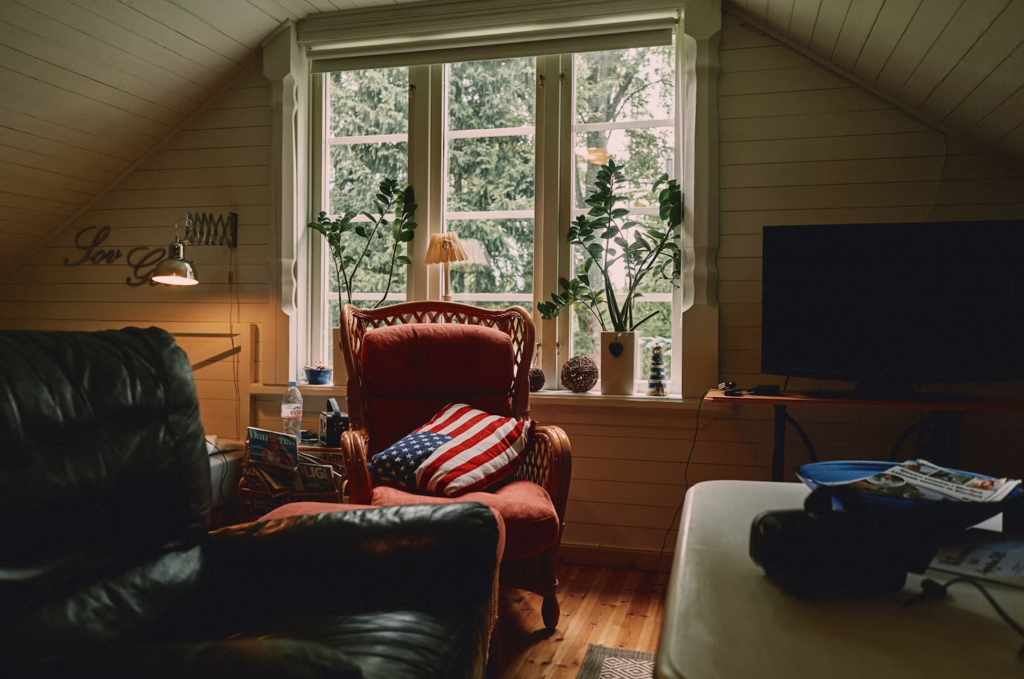
Living in a compact HDB flat in Singapore requires innovative design strategies to maximize space and maintain style. Open-concept layouts can enhance the feeling of spaciousness by allowing better movement and natural light flow. It’s essential to utilize every inch wisely to create a home that feels both functional and inviting.
Multifunctional furniture and storage solutions for small spaces include:
- Modular furniture sofas and extendable tables that adapt to various needs
- Wall-mounted shelves and tall cabinets that maximize vertical space in smaller HDB flats
- Hidden storage options, such as beds with compartments or storage ottomans, to help reduce clutter in tight living conditions, including multi purpose furniture, built in storage, and a designated storage area.
These pieces not only save space but also add a touch of modern elements and sleek furniture to the sleek home.
Light, neutral tones in decor enhance the sense of openness and brightness in a small flat. Functional zoning using furniture, such as area rugs and lighting, can create distinct areas for different activities without needing walls.
Understanding the Singapore Flat Landscape
HDB flats have evolved significantly since the 1960s, reflecting the changing lifestyle and needs of Singaporeans. Interior design for HDB flats now prioritizes both aesthetics and functionality, aiming to maximize every square meter of available space. The diversity of HDB flat types includes compact 2-room units, larger 5-room apartments, and executive units, catering to various family sizes and needs.
Homeowners increasingly seek designs that align with their personal lifestyles, leading to a shift towards more tailored interior designer solutions. Effective interior design in HDB flats emphasizes layout optimization to create a harmonious flow and functionality in small spaces, showcasing various interior design ideas.
Current trends in HDB interior design reflect a consumer preference for wellness-driven spaces, incorporating natural elements and biophilic design.
Vertical Thinking: Designing Upward
Maximizing vertical space in small rooms can involve:
- Using tall shelving units and wall-mounted storage to keep floors clear.
- Hanging planters to free up surface areas and add a decorative element to vertical designs.
- Using ceiling-mounted rods to offer additional storage options in kitchens and bathrooms.
A mezzanine bed layout is an effective way to utilize height in studio apartments, allowing for separate sleeping and living areas. This approach not only maximizes floor space but also creates a cozy and functional layout. Utilizing vertical space in small apartments can create additional storage and display options without overcrowding the floor.
Ways to enhance the perception of height in a room include:
- Hanging decor items and plants on walls to draw the eye upward.
- Using vertical storage solutions like ladders to add style and keep small spaces organized.
- Mounting curtains high to elongate wall perception, making ceilings appear taller and rooms feel more spacious.
Dual-Purpose Furniture and Layout Flexibility
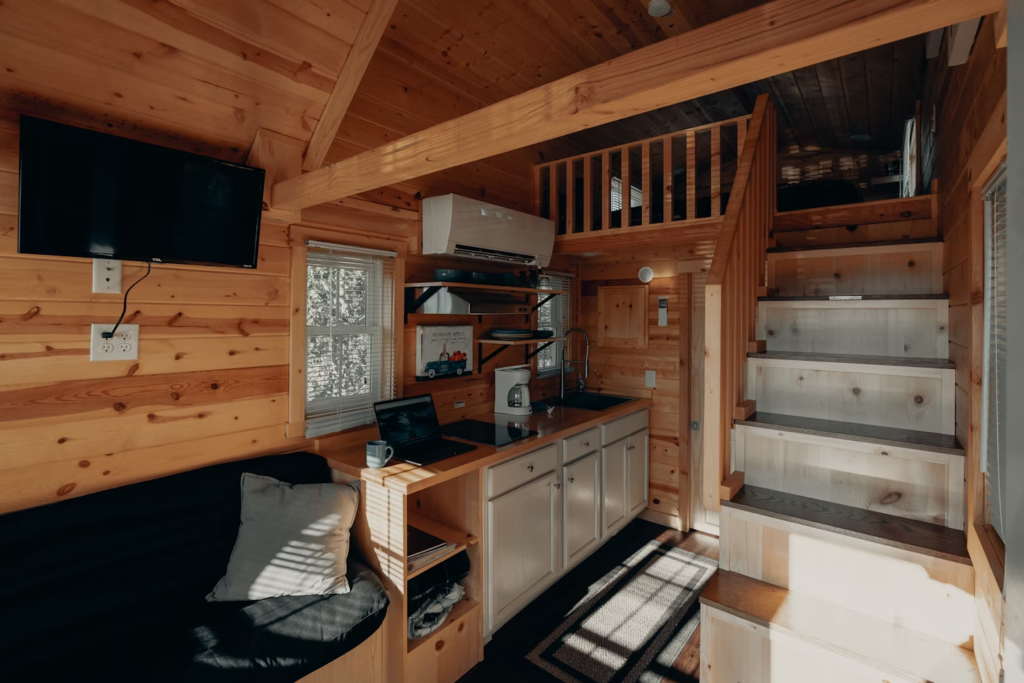
To optimize limited space while maintaining functionality in small flats:
- Use multi-functional furniture like sofa beds and wall-mounted desks.
- Implement open-concept layouts by removing unnecessary walls to create a sense of spaciousness and enhance flexibility in furniture arrangement.
- Choose furniture that serves multiple purposes to contribute to a clutter-free environment, making the area feel more open and inviting.
Quality space-saving furniture adapts to changing needs, ensuring the home remains practical and stylish over time. Sliding doors can save space compared to traditional hinged doors, facilitating better furniture placement and movement. Custom carpentry can create multifunctional furniture tailored to awkward corners or specific user needs, supporting multiple daily routines within limited space.
Zone Planning Without Walls
Color blocking can effectively define distinct areas within an open space, enhancing visual interest and separation without the need for physical barriers. Varied material finishes delineate different styles functional zones in an open concept layout, adding depth and character. Styles of sheer curtains offer a flexible solution for creating privacy in small apartments, allowing for dynamic use of space that can adapt to changing needs.
Retractable walls serve as a stylish alternative to traditional partitions, providing both visual appeal and the ability to create privacy on demand. Floating cubes are innovative structures that maintain an open layout while offering separate areas for different activities, balancing privacy with openness.
Lifestyle Extension: Build an Underground Man Cave
Building down instead of up is an innovative way to add living or recreational space. Some landed homeowners in Singapore are opting for underground rooms, which can serve as retreats, gyms, gaming areas, or music studios. These spaces provide a unique way to extend the home without altering its footprint.
Insulation, lighting, and ventilation are critical considerations to make these rooms practical and luxurious:
- Proper insulation ensures a comfortable temperature.
- Strategic indirect lighting creates a pleasant environment.
- Ventilation contributes to a functional environment.
Colour, Light, and Visual Illusion
To enhance the perception of space, consider the following techniques:
- Opt for light hues in wall paint to reflect light and create an airier atmosphere.
- Employ uplighting techniques to create the illusion of greater ceiling height by drawing the eye upward and minimizing width perception.
- Utilize glass materials in furniture or walls to obscure boundaries, contributing to a more light and less cluttered visual space feel.
Smaller furniture pieces can prevent overwhelming a space, making it feel more spacious by allowing for better flow and airiness. Mirrors can amplify space perception, especially if hung to avoid floor space disruption and strategically placed to reflect light, adding visual weight.
Bringing Nature In with Artisanal Decor
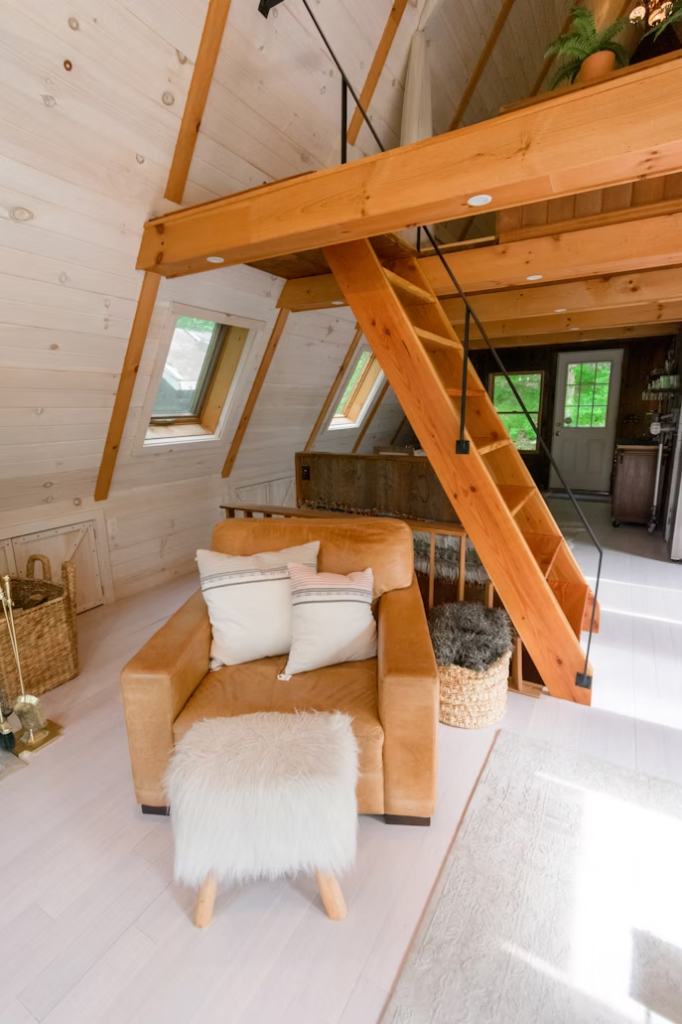
Biophilic design emphasizes a natural connection, enhancing well-being and productivity by integrating elements of nature into interior spaces. Incorporating large windows and skylights in design floods spaces with natural light and creates visual connections to the outdoor environment. Natural materials like hardwoods and stones add warmth and texture, creating an authentic outdoor feel indoors.
Living plants like living walls or terrariums improve air quality and enhance the aesthetic connection to nature. Artisanal bouquets from Jubilant Fields bring life to consoles, dining tables, and entryways.
Smart Appliances for Urban Compact Living
Smart home appliances enhance the functionality of small living spaces by optimizing energy efficiency and space usage. Smart refrigerators often feature space-saving designs and advanced storage solutions, making them ideal for limited kitchen areas. Compact smart ovens with Wi-Fi connectivity allow for remote control and monitoring, which is beneficial in small kitchens.
Small dishwashers designed for urban apartments can offer quiet operation and flexibility in installation while maximizing storage efficiency. Smart laundry appliances can save space and energy efficient appliances, with features that allow them to be stacked or combined in tight quarters.
Multipurpose Bedrooms: Sleep, Study, and Storage
Bedrooms need to function beyond sleeping—especially in family units or shared homes. Here are some ways to free up floor space and keep the room organized and functional:
- Storage beds
- Under-bed drawers
- Fold-down desks
- Wall-mounted lighting
- Modular shelving for books, clothing, and tech
Kids’ bedrooms can include personalized study zones for optimal learning, which supports academic excellence at home. For example, families focused on education may dedicate a quiet study nook for O level Chinese tuition Singapore sessions, ensuring a consistent and distraction-free learning environment without needing a separate room.
Small Bathrooms and Kitchens, Big Design Ideas
In small kitchens, utilizing vertical space through shelving and pot racks can significantly enhance storage and functionality. Incorporating a rolling kitchen island allows for additional counter space that can be moved as needed, optimizing the use of space. Open shelving instead of upper cabinets can provide a more spacious feel in small kitchens while also being a display area for decorative items.
Here are some design tips for small bathrooms and kitchens:
- Maximizing light with mirrors in small bathrooms creates an illusion of increased space and brightness.
- A compact vanity in a small bathroom frees up floor space, making the area look larger and more open.
- Consistent colour schemes and under-cabinet lighting can create a polished, clean look in both kitchens and bathrooms.
Decluttered Living: Minimalism with Character
Intentional minimalism involves keeping fewer items but with higher personal or functional value. Strategies to maintain an uncluttered space and fresh space include:
- Using hidden storage solutions, such as storage benches and staircase drawers
- Following regular decluttering routines
- Rotating decor based on season or event to keep things simple.
Multifunctional accent pieces like artistic mirrors or lamps can add character without adding clutter or extra things. The goal is not to live with less, but to live better within the limits of a small space.
Sustainability in Small Design
Designing for smaller spaces can support sustainable living by using fewer materials, lowering energy usage, and reducing the overall footprint. Micro and modular apartments are increasingly favored for their efficient use of space and sustainability. Choosing multifunctional furniture, like a sofa bed or an expandable table, maximizes utility without sacrificing aesthetics.
Integrating recycling systems, composting tools, and energy-efficient lighting can further enhance sustainability. Investing in long-lasting, multi-functional furniture rather than disposable items supports a more transforming sustainable lifestyle.
Conclusion: Rethinking What “Big” Means
In the context of small spaces, the concept of ‘big’ shifts from physical dimensions to how effectively space is utilized. Designing compact flats effectively focuses on maximizing functionality and comfort rather than sheer size. Innovation in small space design reflects a broader trend towards creating environments that are both stylish and practicable.
Smart design is about understanding needs, making bold choices, and embracing creativity. Smart solutions that can elevate the living experience include:
- Vertical storage
- Zoning
- Smart appliances from brands like Panasonic
- Lifestyle boosts like Jubilant Fields
- An underground man cave idea
Take pride in your apartment space, no matter the size, and embrace the potential to achieve your small homes house.
Frequently Asked Questions
How can I make my small flat feel more spacious?
To make your small flat feel more spacious, try using vertical storage, multifunctional furniture, and light color palettes. Creating an open layout and functional zones can also help boost that airy, open feel.
What are some examples of multifunctional furniture for small spaces?
Multifunctional furniture like sofa beds, Murphy beds, and extendable dining tables can really maximize your small space. Don’t forget about foldable desks and nesting tables—they’re super handy too!
How can I incorporate nature into my small apartment?
You can easily bring nature into your small apartment by using living plants, incorporating natural materials like wood and stone, and adding artisanal bouquets for a fresh touch. These simple elements can transform your space into a serene oasis.
What smart appliances are best for small flats?
For small flats, washer-dryer combos, slim fridges, robotic vacuums, and built-in induction hobs are great choices. Compact air systems can also enhance your living space by improving air quality.
How can I make my small bathroom and kitchen more functional?
To make your small bathroom and kitchen more functional, try using floating vanities, mirrored cabinets, and pull-out pantries. Incorporating slim storage solutions and sleek appliances will also maximize your space effectively.
Letting Regulations Landlords Must Follow

Letting a property can be a profitable long-term investment, but it also comes with legal responsibilities that landlords cannot afford to overlook. UK letting regulations are designed to protect tenants while ensuring properties are safe, fair, and professionally managed. Whether you’re a first-time landlord or expanding an existing portfolio, understanding these rules is essential. Working with experienced professionals such as CJ Hole Long Ashton Estate Agents can also help landlords stay compliant while maximising returns.
Property Safety and Legal Standards
One of the most important responsibilities for landlords is ensuring the property meets required safety standards. Before a tenant moves in, the home must be safe, secure, and fit for habitation. Gas safety is a legal requirement for any property with gas appliances. A Gas Safety Certificate must be carried out annually by a registered engineer and provided to tenants.
Electrical safety is equally important. Landlords must arrange an Electrical Safety Report at least every five years to confirm that all fixed wiring and electrical installations are safe. Any issues highlighted in the report must be addressed promptly.
Fire safety regulations also apply. Smoke alarms must be installed on every floor of the property, while carbon monoxide alarms are required in rooms with solid fuel appliances. These measures help protect tenants and reduce the landlord’s liability.
Energy Performance and Efficiency Rules
Energy efficiency has become a key focus in recent years. All rental properties must have a valid Energy Performance Certificate (EPC) with a minimum rating of E. Letting a property that falls below this rating is illegal unless an official exemption is registered.
The EPC must be shown to tenants at the start of the tenancy, and landlords are encouraged to improve insulation, heating systems, and glazing where possible. Not only does this ensure compliance, but it also makes the property more attractive to tenants and can reduce long-term maintenance costs.
Right to Rent Checks
Right to Rent legislation requires landlords to confirm that tenants have the legal right to live in the UK. This involves checking and recording valid identification documents before the tenancy begins. Failure to carry out these checks can result in significant fines or legal action.
Landlords must keep copies of the documents for the duration of the tenancy and conduct follow-up checks if required. This process should be handled carefully to avoid discrimination while remaining compliant with the law.
Tenancy Agreements and Legal Documentation
A clear and legally compliant tenancy agreement is essential. This document should outline rent, deposit details, tenancy length, responsibilities, and any specific conditions. Most residential lettings in England fall under an Assured Shorthold Tenancy (AST).
Landlords must also provide tenants with required documentation at the start of the tenancy. This includes the “How to Rent” guide, the EPC, gas safety certificate, and electrical safety report. Failure to issue these documents correctly can prevent landlords from regaining possession of the property if needed.
Deposit Protection Rules
Tenant deposits are strictly regulated. If a deposit is taken, it must be protected in a government-approved deposit protection scheme within 30 days of receipt. Tenants must also be provided with prescribed information explaining how their deposit is protected.
At the end of the tenancy, deductions must be fair, justified, and supported by evidence such as inventories and photographs. Incorrect handling of deposits can lead to legal disputes and financial penalties.
Rent, Fees, and the Tenant Fees Act
The Tenant Fees Act has significantly changed what landlords can charge tenants. Most upfront fees are now banned, including viewing fees, referencing fees, and inventory charges. Landlords are generally limited to charging rent, a refundable deposit capped at five weeks’ rent, and a small number of permitted payments.
This legislation aims to make renting more transparent and affordable. Landlords should ensure their pricing structures fully comply to avoid fines or enforcement action.
Repairs, Maintenance, and Tenant Rights
Landlords are legally responsible for maintaining the structure and exterior of the property, along with heating, plumbing, and sanitation systems. Repairs must be carried out within a reasonable timeframe once reported.
Tenants have the right to live in a property that is free from serious hazards and damp issues. The Homes (Fitness for Human Habitation) Act allows tenants to take legal action if a landlord fails to maintain acceptable living conditions.
Ending a Tenancy Lawfully
Ending a tenancy requires strict adherence to legal procedures. Section 21 and Section 8 notices must be issued correctly, using the proper forms and notice periods. Any errors can invalidate the notice and delay possession.
Landlords must also respect tenants’ rights to quiet enjoyment, providing proper notice before entering the property for inspections or repairs.
Final Thoughts
Letting regulations can feel complex, but they exist to create a fair and professional rental market. Staying informed, keeping accurate records, and responding promptly to legal changes are essential for long-term success as a landlord. By following these regulations carefully, landlords can protect their investment, maintain positive tenant relationships, and operate confidently within the law.
What Makes a Chicken Coop Easy to Clean and Maintain Long Term?

A clean coop shapes flock health and reduces stress for the keeper. Strong design choices make daily and weekly care smoother across each season. Long-term maintenance depends on solid surfaces, clear access, and reliable airflow. Birds remain calmer when their home stays dry and organized. Smart features reduce workload while keeping routines predictable. Good planning supports healthier birds throughout their life cycle. Each part of the coop influences comfort and sanitation. Clean design becomes a major advantage for any flock.
1. A Large Chicken Coop With Clear Interior Space
A Large Chicken Coop gives the keeper room to handle cleaning tasks without squeezing through tight corners. Open floors allow better movement for quick waste removal. Birds stay calmer when they sense steady space around them. Clear zones reduce clutter that traps debris. Defined paths help guide daily routines with less effort. A wide interior also improves airflow that supports dry bedding. More room helps maintain order throughout each season. Space remains a major factor in long-term upkeep.
2. Removable Trays That Speed Up Daily Cleaning
Removable trays simplify waste control inside the coop. They slide out with ease and expose clear surfaces. The keeper can remove debris fast without disrupting hens. Clean trays reduce odor and support better hygiene. Birds respond well to fresh conditions each day. This feature keeps flooring free of buildup. Trays limit the spread of moisture that causes problems. A smooth cleaning rhythm begins with accessible trays.
3. Durable Flooring That Withstands Daily Wear
Strong flooring shapes long-term sanitation. Solid boards help prevent moisture from settling under layers. Birds move with confidence on firm surfaces. A sturdy floor makes scraping and brushing easier. The keeper spends less time on deep cleaning sessions. Damage-free flooring lasts through multiple seasons without heavy maintenance. Birds benefit from a consistent footing every day. A dependable floor forms the foundation of easy upkeep.
4. Strategic Ventilation That Keeps Air Dry
Ventilation supports clean air and stable bedding. Dry air reduces the chance of damp spots that cause trouble. Birds rest with ease when airflow feels steady. Vents help push stale air away from interior zones. Moist bedding becomes less of a concern with balanced air flow. Fresh air supports calmer behavior inside the coop. The keeper notices fewer odor issues with good vent placement. Ventilation becomes a core part of long-term cleanliness.
5. Wide Doors That Improve Keeper Access
Doors influence how smoothly maintenance tasks unfold. A wide door allows quick movement into the coop. The keeper can reach corners without strain or awkward angles. Birds react better when movements inside the coop stay steady. Large openings help with bedding changes and waste removal. A strong door improves safety during night lockdowns. The keeper gains confidence through reliable access. Long-term care becomes easier with this simple feature.
6. Nest Boxes Designed for Easy Upkeep
Nest boxes shape the flow of egg collection and cleaning routines. A well-placed box keeps eggs free from debris. Birds settle quickly inside clean nest zones. Removable pads help maintain tidy surfaces. Proper depth prevents straw and material from spilling out. The keeper can lift pads and clear mess without stress. Birds benefit from a quiet, fresh environment. Clean nest areas shape better egg quality through each cycle.
7. Outdoor Runs That Reduce Indoor Mess
Outdoor runs ease pressure on the interior layout. Birds spend more time outside when the space feels open and safe. This reduces interior waste buildup throughout the day. Fresh ground encourages natural movement and activity. A strong fence protects hens during extended outdoor time. Cleaner interiors support easier long-term maintenance. Birds thrive when they enjoy steady airflow outside.
8. Predator-Resistant Designs That Protect Structural Integrity
Predator-resistant features help keep the Large Chicken Coop stable. Strong mesh prevents damage from external threats. Birds feel secure when their home stays firm against pressure. Solid locks protect every access point through the night. A stable frame ensures long-term durability. Structural safety reduces repair work for the keeper. The coop remains clean and orderly when damage stays minimal. Safety design becomes a major part of easier upkeep.
Why These Features Improve Long-Term Maintenance
Each feature supports predictable routines for the keeper. Birds rely on clean surfaces and easy airflow to stay healthy. Spacious interiors reduce stress and improve behavior. Removable trays help maintain tidy floors. Durable flooring remains stable across seasonal shifts. Ventilation keeps moisture under control. Nest boxes enhance egg care. Outdoor runs lower interior traffic and maintains balance in daily flow.
A coop built for easy cleaning saves time, reduces stress, and creates a healthier home for hens. Strong design choices prevent unnecessary repairs. Clean interiors support flock comfort through each season. Spacious layouts make daily routines smooth and clear. Smart ventilation prevents moisture problems. Well-placed nest boxes streamline egg care. Outdoor space improves hygiene and flock behavior. Long-term maintenance becomes a simple routine with the right features in place.